


Blog
What’s the White Powder at Oktoberfest? The Complete Guide to Wiesn Koks (Bavarian Cocaine)


If you’ve ever visited Oktoberfest in Munich or watched videos from the world’s largest beer festival, you might have noticed something shocking: people openly snorting white powder from tables, bottles, and even the backs of their hands. Before you panic, let me assure you – what you’re seeing is completely legal, tobacco-free, and has nothing to do with illegal drugs. This is Wiesn Koks, also known as Wiesn Pulver or “Bavarian cocaine,” and it’s one of Oktoberfest’s most talked-about traditions. Despite its alarming appearance and nickname, this white powder is a harmless mixture that has become an iconic part of the festival experience. Understanding what it is and why people use it will help you appreciate this unique Bavarian tradition.
What Exactly Is Wiesn Koks?
Wiesn Koks (pronounced “VEE-zen cokes”) is a legal, non-narcotic white powder that has become an iconic part of the Oktoberfest experience. Despite its alarming nickname “Oktoberfest cocaine,” this substance contains absolutely no cocaine, narcotics, tobacco, or nicotine. The name is purely for shock value and marketing appeal, playing on the visual similarity to illegal drugs. This tradition has grown massively popular among both locals and tourists over the past decade. The powder is completely safe and sold openly throughout the festival grounds without any legal restrictions.
What’s Inside This White Powder?
The ingredients are remarkably simple: lactose, dextrose (glucose), and menthol. That’s it – just sugar and mint in powdered form. Some brands use slightly different formulations, but the core components remain the same across all varieties. The most famous brand is Schneeberg, manufactured by Pöschl Tabak since 1923, though numerous knockoff versions have appeared over the years.
Key Ingredients:
- Lactose (milk sugar)
- Dextrose (glucose)
- Menthol (mint extract)
- No tobacco, nicotine, or drugs
The mixture creates a harmless, refreshing snuff that gives users an instant cooling sensation. When snorted, it delivers a quick sugar rush combined with a sharp menthol kick that clears the sinuses immediately.
The experience is intense but brief. Users often react with a loud “woo!” or gasp as the menthol hits their nasal passages, followed by watering eyes and a rush of freshness. The cooling sensation travels through your sinuses and creates an invigorating feeling that wakes you up instantly. Many people describe it as similar to eating a strong mint, but magnified ten times. The sugar content provides a quick energy boost, while the menthol opens up your airways. This combination makes it perfect for long days of festival drinking and socializing.
Why Do People Use It at Oktoberfest?
At Oktoberfest, where visitors consume massive one-liter beer mugs (called Maß) for hours on end, Wiesn Koks acts as a palate cleanser and pick-me-up. After drinking heavy Bavarian beer and eating pretzels for hours, many festivalgoers use this powder to wake themselves up and clear their heads.
Main Benefits:
- Wakes you up instantly
- Clears stuffy sinuses
- Provides quick energy boost
- Refreshes after heavy beer drinking
- Creates social bonding moments
The beer tents become crowded, stuffy, and overwhelming, especially during peak hours when thousands of people pack together at long wooden tables. The menthol provides instant relief from the stuffy atmosphere and helps combat the drowsiness that comes from drinking liter after liter of strong beer. It’s become a social ritual that bonds strangers together and creates memorable moments.
The tradition has deep roots in Bavarian culture, where regular tobacco snuff has been popular for centuries among older generations. Wiesn Koks is simply a modern, tobacco-free version designed specifically for the festival atmosphere and younger crowds. Unlike traditional snuff, it contains no addictive substances, making it appealing to tourists who want to participate in local traditions without health risks. The powder serves multiple purposes: it wakes you up, clears your sinuses, gives you energy, and provides entertainment. Most importantly, it’s become a bonding experience that brings people together at the world’s largest beer festival.
How Is Wiesn Koks Used at Oktoberfest?
If you visit Oktoberfest, you’ll see Wiesn Koks consumed in two main ways, both mimicking how cocaine is portrayed in movies and TV shows. The first method involves pouring the powder onto beer tables and arranging it into neat lines, then snorting it through one nostril. However, since Oktoberfest tables are usually sticky with spilled beer and covered in pretzel crumbs, this method isn’t always practical or hygienic. Many people avoid this technique because of sanitation concerns, especially when sharing tables with strangers. The theatrical nature of table lines makes for great photos and videos that go viral on social media.
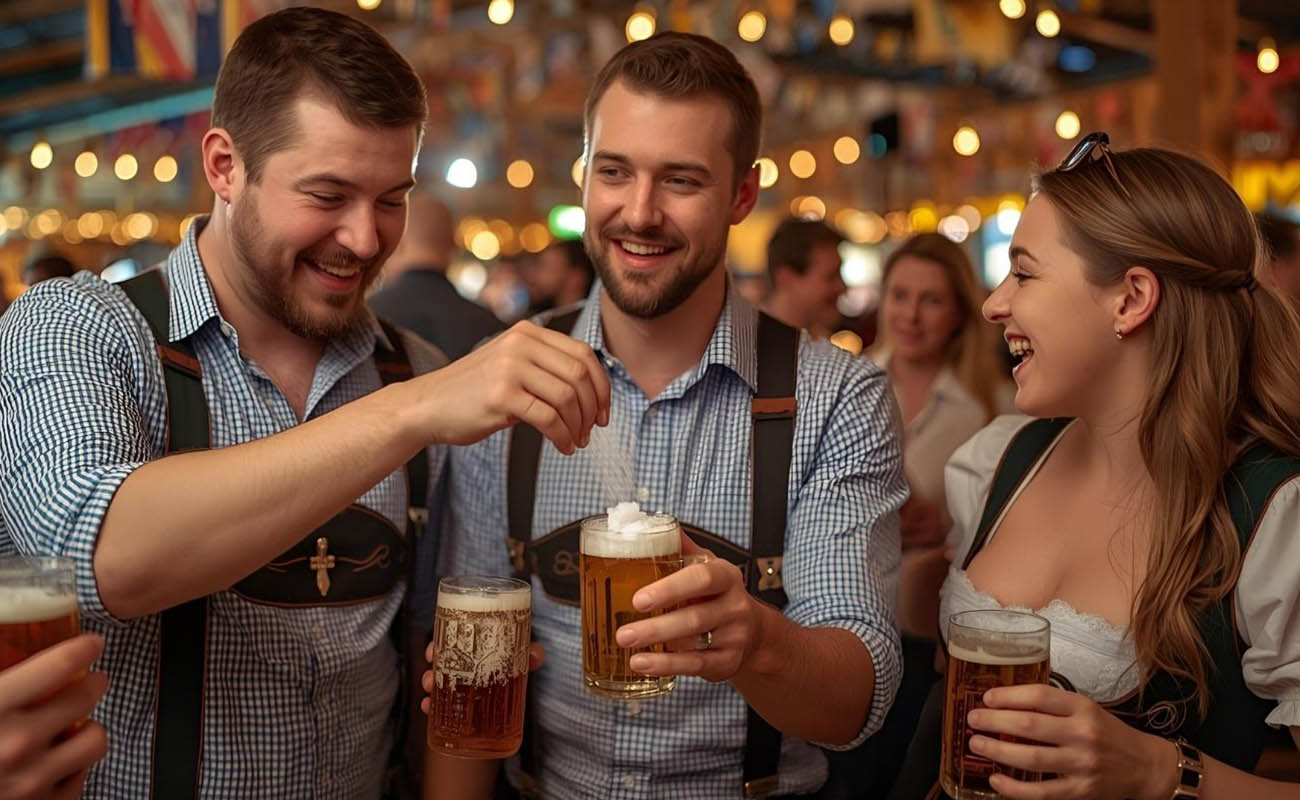
The second and more popular method is the hand technique, where users tap a small amount of powder onto the back of their hands. They then bring their hand to their nose and snort the powder directly through their nostrils in one quick motion. This method is more discreet, cleaner, and allows for better control over how much you consume at once. You’ll see this happening constantly throughout the beer tents, with people passing bottles around their groups. The intensity of the sensation causes immediate reactions – wide eyes, gasping, laughing, and often coughing. First-timers are especially entertaining to watch as they experience the powerful menthol rush for the first time.
Where Can You Buy Wiesn Koks?
Wiesn Koks is sold by semi-sanctioned vendors at the festival for about €5-7, depending on the brand and location. You can find it at souvenir shops inside the festival grounds, vendor stands scattered throughout Theresienwiese (the Oktoberfest fairgrounds), and merchandise areas within the beer tents. Local shops in Munich also stock it year-round, though demand peaks dramatically during festival season. The powder comes in small glass bottles or Bavarian-themed containers decorated with traditional designs, usually containing 10 grams of product. This amount is more than enough for an entire weekend of festival fun, as you only need a tiny pinch each time.
When purchasing, look for the authentic Schneeberg brand to ensure quality and safety. Numerous counterfeit versions exist with unknown ingredients or improper proportions that can cause more intense irritation. Reputable vendors display their products openly and can answer questions about ingredients and usage. Prices may vary slightly between different areas of the festival, with vendors near the main entrances typically charging slightly more. Some souvenir packages include Wiesn Koks along with other Oktoberfest memorabilia like beer steins, lederhosen keychains, and traditional hats.
The Social Aspect of Wiesn Koks
One of the most interesting aspects of this tradition is its social nature and how it breaks down barriers between strangers. Unlike actual drug use, which is typically secretive and hidden, Wiesn Koks is completely open, communal, and celebrated. At Oktoberfest, strangers from different countries sit together at long wooden tables, and the powder often gets passed around after conversation flows and beers are shared. The ritual serves as an instant icebreaker that creates bonds between people who just met minutes ago. Picture this: you’re sitting at a crowded table with tourists from America, Australia, and Italy, everyone dressed in traditional Bavarian clothing.
Someone pulls out a small bottle of white powder and starts arranging lines on the beer-soaked table. The visual is shocking at first, but then you realize everyone is laughing, taking videos, and having innocent fun together. This shared experience creates memories and stories that people talk about for years after returning home. The powder gets passed around the table like a peace pipe, with each person taking their turn and reacting dramatically. New friendships form over this simple act, and contact information gets exchanged so people can share the photos and videos later. It’s this social bonding aspect that makes Wiesn Koks more than just a novelty item.
Is Wiesn Koks Safe?
Yes, Wiesn Koks is safe when used in moderation and purchased from reputable sources. It contains no harmful substances, no nicotine, no tobacco, and absolutely no illegal drugs of any kind. The ingredients are the same things you’d find in candy and cough drops, just in concentrated powdered form. However, like anything consumed through your nasal passages, there are some cautions to keep in mind for responsible use. The key is treating it as an occasional novelty rather than something to abuse throughout the entire festival.
Potential side effects from excessive use include nasal irritation, as snorting any powder repeatedly can damage the sensitive tissues inside your nose. Nosebleeds can occur if you use too much too frequently, especially if you already have dry sinuses or allergies. The sugar content can contribute to dehydration, which is especially problematic when combined with alcohol consumption in the hot beer tents. Some people experience temporary burning sensations that last several minutes after use, though this usually subsides quickly. A pinch or two throughout the day is entertaining and harmless, but overdoing it can lead to uncomfortable irritation.
Important Safety Warning
Always purchase Wiesn Koks from reputable vendors or established brands that you can verify. Never accept white powder from strangers if you didn’t see where it came from or watch them open a sealed container. While Wiesn Koks itself is harmless, some irresponsible people have been known to mix it with actual cocaine or other dangerous substances. This creates serious safety risks and legal problems, as possessing or consuming actual drugs can result in arrest and prosecution. If you buy from official souvenir shops or well-known vendors, you can trust the product is legitimate and safe.
The Controversy Around Wiesn Koks
Despite being completely legal and harmless, Wiesn Koks has faced criticism and repeated attempts at regulation from festival authorities. Festival security and beer tent owners have tried to ban the tradition multiple times because it looks exactly like cocaine use to outside observers. The visual resemblance to illegal drug consumption makes security’s job extremely difficult, as they must distinguish between harmless Wiesn Koks and actual narcotics. Police officers and security personnel have expressed frustration that the tradition normalizes drug-taking behaviors and creates confusion. When they see someone snorting white powder, they can’t immediately tell if it’s legal or illegal without investigation.
Authorities have specifically banned using straws or rolled-up bills to snort the powder because these items are considered drug paraphernalia. This ban attempts to make the practice less conspicuous and reduce its visual similarity to actual cocaine use. Despite these restrictions, the tradition continues to grow in popularity each year, with more tourists participating and posting videos online. The publicity creates a cycle where more people want to try it, leading to increased sales and visibility. Festival organizers find themselves in a difficult position, trying to balance Bavarian tradition with public safety concerns.
The popularity of Wiesn Koks has created an unfortunate side effect that worries authorities: some people use the tradition as cover to snort real cocaine in public. Because everyone expects to see white powder being consumed openly at the festival, actual drug users can hide in plain sight. This abuse of the tradition puts legitimate Wiesn Koks at risk of complete prohibition and creates real safety concerns. Police have made arrests at Oktoberfest for cocaine possession, with suspects claiming they thought it was just harmless festival powder. This gray area complicates law enforcement and makes the festival more dangerous for everyone involved.
The History and Cultural Significance
Wiesn Koks didn’t suddenly appear overnight as a modern gimmick; its origins connect deeply to Bavaria’s long tradition of snuff tobacco use. The Schneeberg brand has been produced by Pöschl Tabak since 1923, originally as a menthol-flavored tobacco snuff for traditional users. Over decades, the company recognized a market for tobacco-free alternatives as smoking and tobacco use declined among younger generations. The modern Wiesn Koks formula was created to provide the experience without the nicotine addiction or health risks. This innovation allowed the snuff tradition to continue while adapting to contemporary health consciousness.
The trend exploded in the 2010s, particularly after tourists began posting videos and photos on social media platforms like Instagram and TikTok. What locals had been quietly doing for years suddenly became an international phenomenon that everyone wanted to experience and document. Videos of shocked tourists trying Wiesn Koks for the first time went viral, generating millions of views and free advertising. This social media exposure transformed it from a local tradition into a must-do activity for international visitors. The shocking nature of snorting white powder at a public festival made it perfect for viral content.
“Wiesn” is the Bavarian term for Theresienwiese, the large meadow where Oktoberfest takes place every autumn. Locals refer to the festival simply as “the Wiesn” rather than using the formal “Oktoberfest” name in everyday conversation. Therefore, “Wiesn Koks” literally translates to “festival grounds coke” or “meadow cocaine” in English, referencing both the location and the substance. This naming convention follows Bavarian linguistic patterns where places and traditions are named after their geographic locations. The term has become so widespread that even non-German speakers around the world now recognize and use it.
Wiesn Koks vs. Regular Snuff
Traditional snuff tobacco has been used in Bavaria for centuries, particularly among older generations in rural areas. Wiesn Koks represents a modern, safer alternative that maintains the cultural practice while eliminating the harmful components. To understand the key differences, here’s a quick comparison:
| Feature | Traditional Tobacco Snuff | Wiesn Koks |
|---|---|---|
| Contains Nicotine | Yes (highly addictive) | No |
| Contains Tobacco | Yes | No |
| Addictive | Yes | No |
| Health Risks | Cancer, respiratory damage | Minimal (irritation only) |
| Legal Status | Restricted in many countries | Legal worldwide |
| Main Ingredients | Tobacco leaves, flavorings | Sugar (glucose/lactose), menthol |
| Usage Frequency | Daily habit | Occasional novelty |
| Age Restriction | 18+ strictly enforced | Not typically restricted |
| Price | €3-8 per tin | €5-7 per bottle |
Traditional snuff is restricted or banned in many countries due to its tobacco content and health risks. Wiesn Koks faces no such restrictions because it contains no controlled or harmful substances whatsoever. This makes it legal to purchase, possess, and use in virtually every country around the world without fear of legal consequences. The addictive nature of tobacco snuff means regular users develop dependencies and withdrawal symptoms, while Wiesn Koks creates no physical addiction. Young people and tourists prefer the modern version because they can participate in the cultural tradition without risking their health.
The experience of using both products differs significantly beyond just the ingredients. Tobacco snuff provides a nicotine buzz that affects your entire body and creates a relaxing sensation that users seek repeatedly. Wiesn Koks delivers only a localized menthol cooling effect and brief sugar rush without any systemic drug effects. Traditional snuff users often become daily consumers who rely on their product, while Wiesn Koks remains a novelty used only during special occasions. The cultural significance remains similar, as both represent Bavarian heritage and traditions passed down through generations.
Other Names and Brands
While “Wiesn Koks” is the most popular and recognizable name, you’ll encounter several variations across different brands and regions. “Wiesn Pulver” (Oktoberfest powder) is the more polite, family-friendly term that vendors sometimes use to avoid controversy. “Bavarian Cocaine” has become the standard English nickname used by tourists and in international media coverage. “Schneeberg Weiss” refers specifically to the original brand name, with “Weiss” meaning white in German. “Sniffy” is a similar menthol glucose product that gained popularity in France and other European countries outside Germany.
Each brand may have slightly different formulations with varying ratios of glucose to lactose, or different menthol concentrations. Some versions include additional flavoring like peppermint, eucalyptus, or even fruit essences to create unique experiences. The packaging designs vary wildly, from traditional Bavarian motifs with alpine scenes to provocative designs playing up the cocaine comparison. Counterfeit versions often use names that sound similar to Schneeberg but with slightly altered spelling to avoid trademark issues. These knockoffs may contain unknown ingredients or improper proportions that cause excessive irritation or adverse reactions.
The Complete Oktoberfest Experience
Wiesn Koks is just one small but memorable part of the massive Oktoberfest celebration that draws over six million visitors annually. The festival runs for approximately 16-18 days from late September through the first weekend of October each year. Only beer brewed within Munich city limits by the six traditional breweries can be served at the official Oktoberfest grounds. The beer follows the strict Bavarian Purity Law (Reinheitsgebot) from 1516, using only water, barley, and hops in its production. Each liter of Oktoberfest beer contains approximately 6% alcohol by volume, making it significantly stronger than most commercial beers worldwide.
Traditional clothing plays a huge role in the authentic Oktoberfest experience, with most locals and many tourists dressing in Trachten. Men wear Lederhosen (leather shorts with decorative suspenders), checkered shirts, and alpine hats with feathers or pins. Women wear Dirndls (traditional dresses with bodices and full skirts) paired with white blouses and aprons. The way a woman ties her dirndl apron actually has specific meaning: tied on the left means single and available, tied on the right means married or in a relationship, tied in the back means widowed, and tied in the front traditionally indicates virginity or childhood. Many visitors don’t know these signals and tie their aprons randomly, leading to amusing miscommunications.
The food at Oktoberfest goes far beyond just pretzels, offering authentic Bavarian cuisine that fuels hours of celebration. Roasted chicken (Hendl) is the most popular meat dish, served half or whole and incredibly juicy. Pork knuckles (Schweinshaxe) are massive, crispy on the outside and tender inside, served with potato dumplings. Various sausages including Bratwurst and Weisswurst come with sweet mustard and fresh bread. Käsespätzle (cheese noodles) provides a vegetarian option that’s rich and satisfying. Traditional sides include potato salad, red cabbage, and sauerkraut, all prepared according to generations-old recipes. The food is hearty, delicious, and essential for absorbing the massive amounts of beer consumed throughout the festival.

Each of the 14 main beer tents has its own distinct character, atmosphere, and brass band playing traditional Bavarian music. The bands perform a mix of traditional oompah music, modern pop hits adapted to brass instruments, and crowd favorites that everyone sings along with. The most famous song you’ll hear repeatedly throughout every tent is “Ein Prosit,” a traditional drinking toast sung every 15-20 minutes. When the band plays this song, everyone stands up, raises their beer mugs, and sings together before taking a drink. This creates a powerful sense of community and shared experience among thousands of strangers celebrating together. The atmosphere becomes electric as the day progresses and the beer flows freely.
Is Wiesn Koks Available Outside Oktoberfest?
Yes and no – the answer depends on what you’re looking for and where you’re located geographically. While the peak season for sales is definitely during Oktoberfest (late September to early October), you can purchase similar tobacco-free menthol snuff products year-round in various locations. In Germany, regular tobacco shops (Tabak) and specialty stores stock Schneeberg Weiss and similar brands throughout the year for traditional snuff users. These shops are common in Bavaria but less frequent in northern German states where the tradition is less popular. The prices are typically lower outside of festival season when demand drops significantly.
Online shopping provides access to these products for international customers, with some European websites offering shipping to various countries. However, import regulations vary wildly, and some countries restrict or prohibit any snuff products regardless of tobacco content. Amazon and similar platforms list various tobacco-free menthol snuff products, though they may not specifically be branded as Wiesn Koks. Specialty import shops in countries with large German immigrant populations sometimes carry authentic Bavarian products including the famous white powder. Some enterprising entrepreneurs have created their own versions and market them online to capitalize on the Oktoberfest association.
However, the specific “Wiesn Koks” branding, packaging, and cultural context is unique to Oktoberfest season in Munich. Buying it at the festival is part of the experience, complete with the festive atmosphere and social sharing aspect. Using it at home months later just isn’t the same as snorting it with new friends in a crowded beer tent. The product itself may be identical, but the tradition and memories associated with Oktoberfest make it special. Many visitors purchase extra bottles as souvenirs to share with friends back home and relive their festival experiences.
Oktoberfest Tips for First-Timers
If you’re planning to experience Wiesn Koks firsthand at Oktoberfest, preparation is essential for having the best possible time. Table reservations in the popular beer tents are made months in advance, often by February or March for the following September festival. Most reservations require groups of 10 people minimum and include minimum spending requirements for food and drinks. If you don’t have a reservation, arrive when the festival opens at 10 AM to find standing room or unreserved table space in the popular tents. The earlier you arrive, the better your chances of getting into your preferred tent before capacity is reached.
Dress appropriately in authentic traditional Bavarian clothing purchased from reputable shops, not cheap costume versions from party stores. Locals can immediately spot fake lederhosen and dirndls, and you’ll feel out of place among properly dressed attendees. Invest in quality Trachten that fits well and looks authentic – you’ll be more comfortable and respected. The clothing also serves practical purposes, as real lederhosen are made from durable leather that handles spilled beer better than regular pants. Women’s dirndls are surprisingly comfortable for long days of sitting at wooden benches and provide plenty of room for eating large meals.
Pace yourself carefully with the beer consumption, as each Maß (mug) contains one full liter of 6% alcohol beer. That’s roughly equivalent to three regular-sized beers in a single container, and most people drink 3-5 liters throughout the day. Alternate between beer and water to stay hydrated, especially in the stuffy, crowded tent environment where temperatures rise significantly. The combination of alcohol, heat, crowds, and physical exhaustion from hours of celebrating can quickly become overwhelming. Many first-timers underestimate how strong the beer is and how much they’re consuming, leading to problems later in the day.
Cash is king at Oktoberfest, as many vendors and servers prefer it over credit cards for faster transactions. ATMs are available throughout the festival grounds but expect long lines, especially during peak hours. Bring sufficient euros in various denominations to avoid problems, typically at least €100-150 per person per day. Visit the festival on weekdays rather than weekends if possible, as weekends are absolutely packed with tourists from around the world. Weekdays offer a more authentic experience with more local attendees and less overwhelming crowds. The atmosphere is still festive but more manageable for first-time visitors who aren’t used to the intensity.
Learn basic German phrases before attending to show respect for the local culture and make interactions smoother. “Prost!” (Cheers!) is essential and you’ll say it hundreds of times while clinking mugs with others. “Ein Maß, bitte” (One beer, please) is crucial for ordering your drinks from the servers. “O’zapft is!” (It’s tapped!) is the ceremonial phrase the mayor speaks when opening the first beer keg to officially start the festival. “Danke schön” (Thank you very much) shows appreciation to servers, vendors, and fellow festivalgoers. Even attempting to speak German poorly is appreciated and often leads to friendlier interactions and better service.
The Future of Wiesn Koks
Despite ongoing controversy, security concerns, and repeated calls for bans, locals and tourists remain fiercely determined to keep the Wiesn Koks tradition alive. Festival authorities walk a precarious fine line between respecting cultural traditions and maintaining public safety and order. Each year brings new discussions about potential restrictions, registration requirements, or outright prohibition of the white powder. However, enforcement proves nearly impossible when millions of people attend the festival and hundreds of vendors sell the product openly. The cat is out of the bag, and trying to eliminate Wiesn Koks now would likely prove futile and unpopular.
Some advocates argue the tradition represents harm reduction by providing a fun, social alternative to actual drug use at festivals. They point out that giving young people a safe, legal way to participate in edgy traditions might prevent them from seeking actual drugs. Others strongly disagree, worrying it normalizes drug-taking behaviors and makes illegal substance use seem less serious. Parents and educators express concern about younger festivalgoers seeing white powder being snorted everywhere and potentially becoming desensitized. The debate continues without clear resolution, with valid points on both sides of the argument.
For now, Wiesn Koks remains legal, widely available, and deeply embedded in modern Oktoberfest culture regardless of official opinions. It has become so associated with the festival that many tourists specifically seek it out as part of their experience. Social media ensures the tradition continues spreading globally, with influencers and travel vloggers featuring it prominently in their content. Whether it will survive another century like its tobacco-based predecessors remains to be seen, but current trends suggest it’s not disappearing anytime soon. The next generation of festival-goers will likely continue the tradition, possibly inventing new variations and rituals around it.

Common Questions About Wiesn Koks
Will Wiesn Koks show up on a drug test?
Absolutely not. It contains no illegal substances, narcotics, or drugs of any kind that testing looks for. The ingredients are just sugar (glucose and lactose) and menthol, which are found in countless food products. Drug tests specifically look for metabolites of illegal drugs like cocaine, marijuana, opiates, and amphetamines. None of these substances or their precursors exist in Wiesn Koks, so you can use it without any worry about failing employment or legal drug screenings.
Can I bring Wiesn Koks home from Oktoberfest?
Check your specific country’s import regulations regarding snuff products before attempting to bring it through customs. Since it’s just sugar and menthol with no tobacco or controlled substances, it’s generally fine in most countries. However, some nations have blanket restrictions on any products labeled as “snuff” regardless of ingredients. Pack it in your checked luggage rather than carry-on to avoid questions at security. Declare it if asked by customs officials to avoid any potential complications or misunderstandings.
Does it actually get you high?
No, there is no real “high” in the drug sense from Wiesn Koks despite what the name might suggest. You might feel a brief sugar rush from the glucose, similar to eating candy, which provides a quick energy boost. The intense menthol sensation creates a sharp, awakening feeling that clears your head and sinuses instantly. Some people describe a slight euphoric feeling from the novelty and social aspects, but this is psychological rather than chemical. The “high” is really just the intense sensory experience and the fun of participating in the tradition.
Is it addictive?
No, Wiesn Koks is not addictive in any way unlike tobacco snuff which contains nicotine. It contains no nicotine, no caffeine, and no addictive substances whatsoever that would create physical dependency. You won’t experience withdrawal symptoms or cravings after using it at the festival and then stopping. Some people might enjoy the experience so much they want to do it repeatedly, but this is behavioral preference rather than chemical addiction. You can use it once or a hundred times without any risk of becoming dependent.
Final Thoughts: Should You Try Wiesn Koks?
Wiesn Koks represents one of the most unique, controversial, and talked-about traditions at modern Oktoberfest celebrations worldwide. It’s legal, relatively harmless when used responsibly, and provides an unforgettable experience that makes for great stories and social media content. Whether you choose to participate actively or simply observe others enjoying it, understanding this tradition adds significant depth to your overall Oktoberfest experience. The cultural context, social bonding aspect, and pure novelty factor make it more than just a silly tourist gimmick. It’s become a genuine part of what makes Oktoberfest the world’s most famous beer festival and celebration.
If you do decide to try Wiesn Koks during your visit, follow some simple guidelines for the best experience. Buy only from reputable sources like official souvenir shops or well-established vendors with visible storefronts. Use moderation – a pinch or two throughout the day is plenty to enjoy the experience without causing discomfort. Never accept powder from strangers or anyone who can’t show you the sealed original container it came from. Stay well hydrated throughout the day, as the combination of alcohol, menthol, and sugar can be dehydrating. Most importantly, enjoy the social bonding aspect and don’t take it too seriously.
Remember, Oktoberfest is fundamentally about celebration, tradition, community, and bringing people together from all corners of the globe. Wiesn Koks, however controversial and shocking it may appear to outsiders, has genuinely become part of that modern festival fabric. It serves as a conversation starter, an icebreaker between strangers, and a shared experience that creates lasting memories. The tradition bridges cultural gaps and creates moments of laughter and connection in an increasingly divided world. Whether this particular tradition survives another decade or fades away, it has already left its mark on Oktoberfest history.
So next time someone asks you, “What’s that white powder everyone’s snorting at Oktoberfest?” you can confidently explain it’s not what it looks like at all. It’s just Bavarian sugar and mint with a fascinating cultural story, clever marketing, and a dash of controversy that makes it irresistible. You can share the history, the ingredients, the social significance, and why it matters to the people who celebrate this incredible tradition. Your knowledge might even inspire them to book their own trip to experience Oktoberfest firsthand and participate in this unique cultural phenomenon.
