


Blog
Gingham vs Plaid: The Pattern Difference No One Tells You About


When shopping for fabric patterns or styling your wardrobe, you’ve probably encountered both gingham and plaid countless times. These classic patterns appear everywhere from summer dresses to cozy flannel shirts, kitchen tablecloths to upscale home decor. Yet despite their popularity, many people remain confused about what actually separates these two timeless designs.
Understanding the difference between gingham and plaid isn’t just about fashion knowledge. It helps you make better purchasing decisions, style outfits more confidently, and even appreciate the rich cultural heritage behind these patterns. This comprehensive guide reveals everything you need to know about gingham versus plaid, including their origins, visual characteristics, styling tips, and practical uses.
What is Gingham? Understanding This Classic Pattern
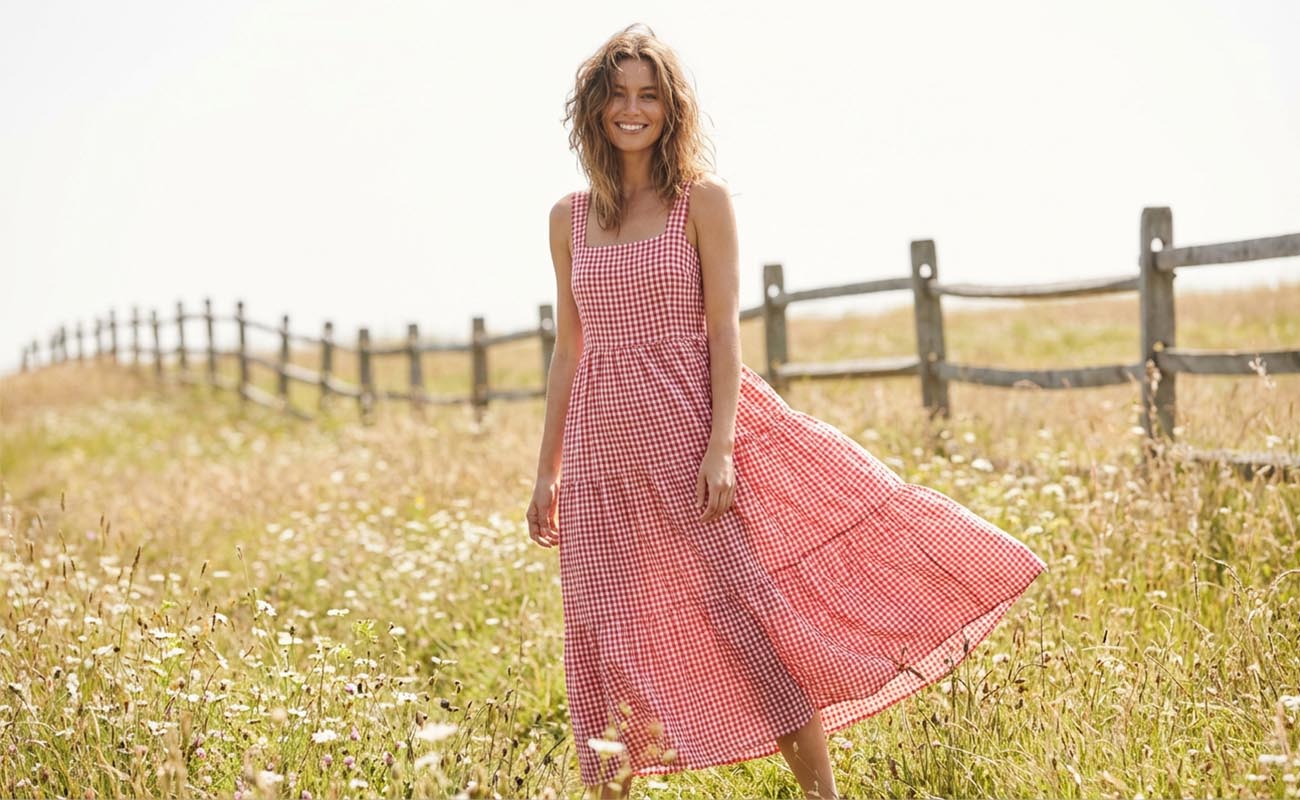
Gingham represents simplicity and charm in fabric design. This lightweight woven material creates a distinctive checkered pattern using just two colors, traditionally white paired with another shade like red, blue, black, or pink. The pattern emerges from the weaving process itself, where colored yarns intersect with white yarns to create perfectly symmetrical squares.
The beauty of gingham lies in its mathematical precision. Every stripe maintains equal width, and every check appears identical in size. This creates three distinct tones within the pattern: the pure color, pure white, and a blended half-tone where the colored and white threads cross. This balanced composition gives gingham its fresh, orderly appearance that feels both timeless and approachable.
Most authentic gingham fabrics use cotton or linen, making them breathable and perfect for warm weather applications. The yarn-dyed construction means colors penetrate deeply into the fibers before weaving, ensuring durability and colorfastness that withstands repeated washing. This practical quality made gingham a household favorite for generations, appearing in everything from aprons to curtains.
The Fascinating History Behind Gingham
The story of gingham begins not in Europe or America, but in Southeast Asia during the 17th century. The name likely derives from the Malay word “genggang,” meaning striped. Interestingly, original gingham fabric featured stripes rather than the checks we recognize today. Dutch traders discovered this fabric during their travels through Malaysia and Indonesia, where it was woven from cotton and valued for its durability.
When gingham reached Europe through Dutch trade routes, it underwent a remarkable transformation. English textile mills in Manchester began experimenting with the fabric during the mid-18th century, eventually evolving the striped pattern into the checkered design we know today. This shift happened gradually, with both striped and checked versions coexisting until checked gingham completely dominated by the late Victorian era.
The French also embraced gingham, calling it “Vichy” after the town famous for producing it. This connection to France added a touch of European sophistication to an already practical fabric. By the 19th century, gingham had become synonymous with rural life in both Europe and America. American pioneers and farmers appreciated its affordability and durability, while British households used it extensively in domestic settings.
Gingham’s cultural significance expanded dramatically in the 20th century. When Judy Garland wore her iconic blue and white gingham dress as Dorothy in “The Wizard of Oz” (1939), the pattern became forever linked with innocence and wholesome Americana. Fashion icons like Brigitte Bardot, who married in a pink gingham dress in 1959, and Katherine Hepburn elevated the pattern from farmhouse staple to high fashion statement.
What is Plaid? Exploring This Versatile Design

Plaid encompasses a much broader category of patterns characterized by intersecting horizontal and vertical lines in multiple colors and varying widths. Unlike gingham’s strict uniformity, plaid celebrates complexity and variation. These crisscrossing stripes create rectangles and squares of different sizes, producing intricate designs that can range from subtle sophistication to bold statements.
The term “plaid” originates from the Scottish Gaelic word “plaide,” meaning blanket. Originally, plaid referred not to the pattern itself but to a specific type of garment, a large rectangular piece of wool cloth worn draped over the shoulder and fastened with a brooch. These plaids often featured tartan patterns, which led to the eventual conflation of the two terms, particularly in North American usage.
Plaid patterns can incorporate anywhere from two to ten or more colors, with stripe widths varying dramatically within a single design. This flexibility allows for endless variations, from the bold simplicity of buffalo check to the intricate complexity of Scottish clan tartans. The patterns can be woven into fabric or printed onto it, offering different textures and price points for various applications.
The Rich Heritage of Plaid Patterns
Plaid’s history runs deep through Scottish culture, dating back to at least the 3rd century AD. Ancient archaeological findings reveal woolen fabrics with simple checked patterns in Scottish settlements. These early tartans served purely practical purposes, providing warmth in harsh Highland climates. The natural dyes available in different regions created distinctive color combinations that eventually became associated with specific geographic areas.
By the 16th century, tartan patterns had evolved into powerful symbols of Scottish clan identity. Each family or region developed unique color sequences and stripe arrangements, transforming functional fabric into visual expressions of lineage and loyalty. However, contrary to popular belief fueled by movies and fiction, the formal system of clan tartans developed much later than most people think.
The real codification of clan tartans began in the early 19th century, particularly after the Highland Society of London asked clan chiefs to submit samples of their tartans in 1815. Many chiefs had no idea what “their clan tartan” should be and consulted textile manufacturers like William Wilson & Sons of Bannockburn, whose 1819 pattern book included about 250 tartans, 100 of which were given specific names.
Plaid’s journey to global popularity faced a significant obstacle after the Battle of Culloden in 1746. The British government banned Highland dress, including tartan garments, in an attempt to suppress Scottish culture following the Jacobite uprising. This prohibition lasted 36 years, fundamentally changing how Scots related to tartan. When the ban lifted in 1782, tartan experienced a renaissance that would eventually spread far beyond Scotland’s borders.
In 19th century America, plaid took on new meaning through Scottish immigration and adaptation. Buffalo check, now iconic in its red and black color scheme, emerged as a symbol of rugged outdoor life, associated with lumberjacks and frontier living. The pattern’s bold, oversized squares made it practical for workwear while maintaining visual appeal. Companies like Pendleton Woolen Mills began producing plaid flannel shirts in the 1920s, cementing plaid’s place in American casual wear.
Gingham vs Plaid: The Key Differences That Matter

Understanding the distinctions between gingham and plaid becomes much clearer when we compare them side by side. Let’s break down the essential differences that will help you identify each pattern instantly.
| Feature | Gingham | Plaid |
| Number of Colors | Always 2 colors (one color + white) | Multiple colors (3-10+ colors) |
| Pattern Structure | Uniform, evenly-spaced checks | Varying stripe widths and sizes |
| Check Size | All squares are identical | Rectangles and squares of different sizes |
| Symmetry | Perfect symmetry throughout | May or may not be symmetrical |
| Visual Tones | Creates 3 tones from 2 thread colors | Multiple layered color effects |
| Origin | Southeast Asia (Malaysia/Indonesia) | Scotland (Highland culture) |
| Traditional Fabric | Lightweight cotton or linen | Ranges from light cotton to heavy wool |
| Best Season | Spring and summer | Year-round (depends on fabric) |
| Typical Use | Casual, country, vintage styles | Traditional, preppy, rustic styles |
| Complexity | Simple and clean | Can be simple or highly complex |
Pattern Structure and Complexity
The most fundamental difference between gingham and plaid lies in their structural composition. Gingham maintains absolute symmetry with evenly spaced lines of identical width creating uniform squares. The pattern uses exactly two colors, with one always being white or a very light shade. This creates that characteristic three-tone effect: solid color, solid white, and the blended half-tone.
Plaid patterns reject such rigid rules. They feature stripes of varying widths that intersect to form rectangles and squares of different sizes. Multiple colors interact within a single plaid design, sometimes incorporating six, eight, or even ten distinct hues. The sequences don’t necessarily repeat with perfect symmetry, allowing for more complex and intricate visual effects that can appear traditional, contemporary, or anywhere in between.
Color Palette and Combinations
Key Differences:
- Gingham strictly uses two colors (one color plus white)
- Plaid incorporates multiple colors (typically 3-10+ different shades)
- Gingham creates three visual tones from two thread colors
- Plaid produces layered color effects from multiple thread interactions
- Gingham favors bright, clear color pairings for maximum contrast
- Plaid ranges from bold primaries to muted earth tones
Gingham’s limited color palette actually enhances its versatility. The crisp contrast between white and a single color reads cleanly in any setting, making it adaptable to various decorating schemes and fashion styles. Classic gingham colors include red, blue, navy, black, pink, and yellow, though modern variations explore sage green, lavender, and even neutral tones like tan and gray.
Plaid’s multi-color nature allows it to tell more complex visual stories. Scottish tartans use specific color combinations to represent different clans, with meanings attached to particular shades. Modern plaid designs might combine warm autumnal tones for cozy fall aesthetics or incorporate unexpected color pairings for contemporary fashion statements.
Fabric Weight and Seasonal Use
Gingham traditionally appears on lightweight fabrics like cotton and linen, making it ideal for warm weather applications. The breathable nature of these materials combined with gingham’s crisp, fresh appearance creates strong associations with spring and summer. You’ll find gingham dominating summer dresses, picnic blankets, lightweight shirts, and kitchen textiles designed for everyday use.
Plaid shows remarkable versatility across fabric weights. While buffalo check flannel shirts epitomize cold weather comfort, plaid also appears on summer-weight cotton shirts, year-round wool suiting, and everything in between. This adaptability allows plaid to transition seamlessly between seasons, with fabric choice determining warmth level rather than the pattern itself limiting seasonal application.
Cultural Significance and Associations
Gingham evokes feelings of nostalgia, simplicity, and wholesome domesticity. Its associations run toward country life, picnics, farmhouse kitchens, and carefree summer days. The pattern carries connotations of innocence and approachability, making it popular for children’s clothing and casual, friendly environments. Yet high fashion designers regularly elevate gingham to luxury status, proving its remarkable range.
Plaid carries deeper cultural weight, particularly through its Scottish heritage. Tartan patterns represent family lineage, regional identity, and historical continuity spanning centuries. Beyond Scotland, plaid has come to symbolize various subcultures and aesthetics: preppy Ivy League style, grunge rebellion, lumberjack ruggedness, and cozy cottage living. This rich symbolic vocabulary makes plaid remarkably expressive.
Types of Gingham Patterns You Should Know
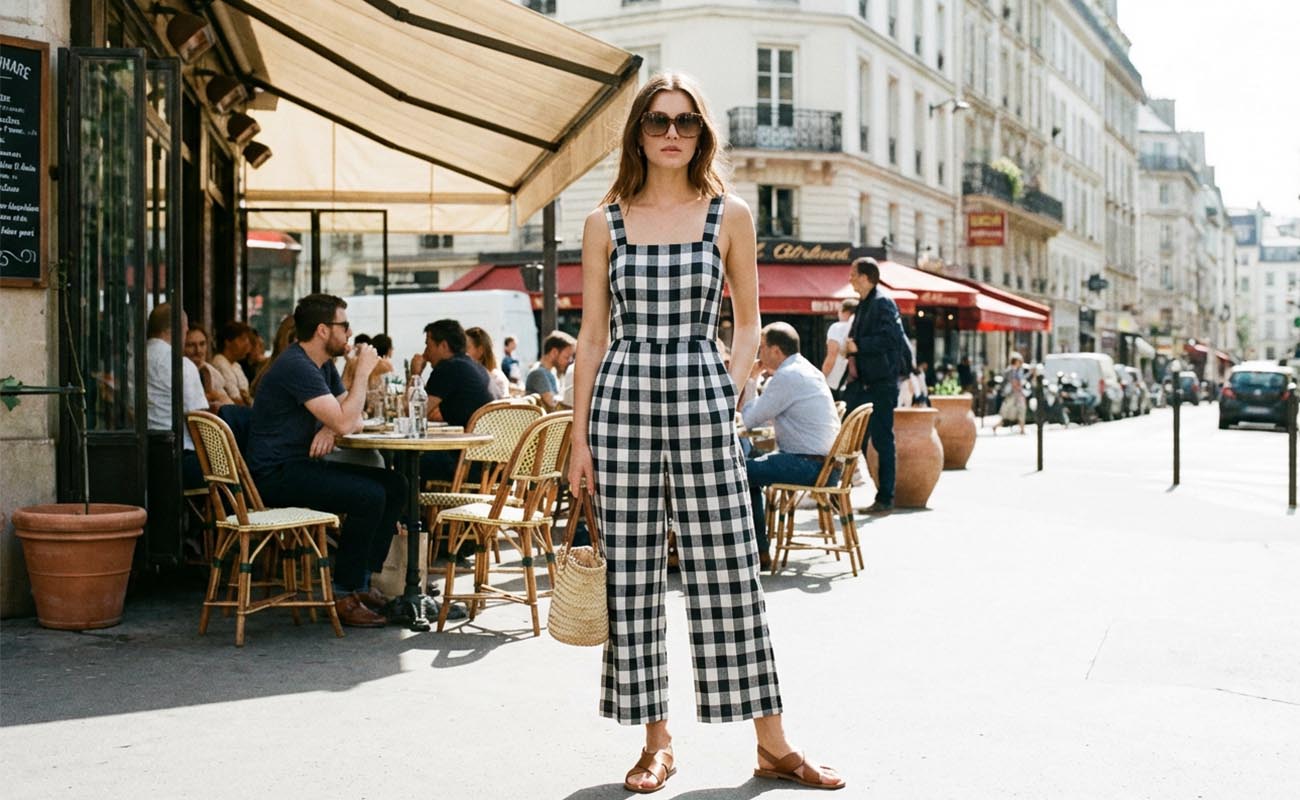
While gingham maintains consistent structural rules, variations exist in scale and color that create distinct aesthetic effects.
Classic gingham features small checks, typically measuring between 1/8 inch to 1/4 inch square. This traditional scale creates the familiar pattern seen on vintage tablecloths and Dorothy’s dress from “The Wizard of Oz.” The small scale reads as refined and traditional, working beautifully for button-down shirts, summer dresses, and kitchen textiles.
Large-scale gingham, sometimes called buffalo gingham, increases check size to 1 inch or larger while maintaining gingham’s two-color, even-checked structure. This contemporary variation feels more modern and bold, making stronger visual statements in both fashion and home decor. The larger scale can actually make gingham feel more sophisticated and current.
Micro gingham pushes to the opposite extreme with tiny checks measuring less than 1/8 inch. From a distance, micro gingham can appear almost solid while revealing its pattern upon closer inspection. This subtle approach works particularly well in professional settings where pattern should enhance rather than dominate.
Popular Types of Plaid Patterns Explained

Tartan
Authentic Scottish tartan represents the most historically significant plaid variation. Each registered tartan follows a specific “sett,” the technical term for the pattern’s precise sequence of colors and stripe widths. This sequence repeats identically in both warp (vertical) and weft (horizontal) directions, creating perfect symmetry. Traditional tartans use a 2/2 twill weave that produces subtle diagonal texture enhancing color depth.
Tartans include subcategories like Ancient and Modern (referring to dye intensity), Dress tartans (lighter backgrounds for formal wear), and Hunting tartans (subdued colors for outdoor activities). The Scottish Register of Tartans maintains over 7,000 unique patterns, each with documented history and meaning.
Buffalo Check
Buffalo check emerged in 19th century America, traditionally featuring bold red and black squares measuring 1.5 to 6 inches. The pattern allegedly originated when Scottish trader Jock McCluskey brought his home tartan to America. Like gingham, buffalo check uses just two colors, but the dramatically larger scale and specific color blocking create an entirely different aesthetic.
Modern buffalo check expands beyond traditional red and black to include combinations like navy and white, green and black, or brown and cream. This pattern dominates rustic and cabin-inspired decor while also appearing in contemporary fashion as a statement pattern.
Madras Plaid
Originating in Chennai, India (formerly Madras), this vibrant plaid style breaks from Scottish tradition with bright, unconventional color combinations including oranges, pinks, purples, and yellows. Madras plaid typically appears on lightweight cotton fabrics, making it popular for summer clothing. The irregular, asymmetrical patterns and bold colors create a relaxed, tropical aesthetic.
Windowpane Plaid
Windowpane plaid features thin, widely-spaced lines that create the appearance of window panes against a solid background. This sophisticated pattern works exceptionally well in business casual and formal settings, appearing frequently on tailored suits and dress shirts. The understated nature allows it to provide visual interest without overwhelming professional environments.
How to Style Gingham: Fashion and Decor Tips
Gingham in Fashion
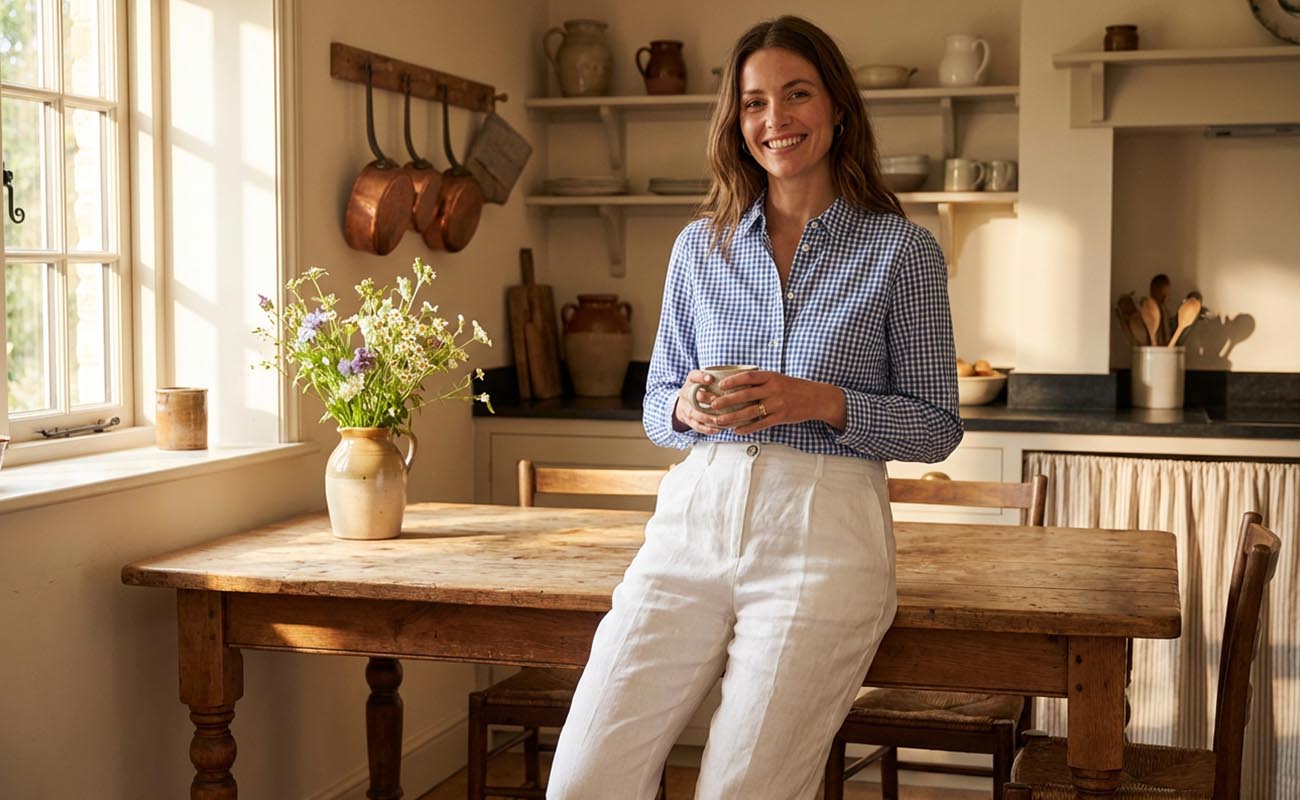
Gingham shines in warm weather wardrobes. Summer dresses in classic red and white or blue and white gingham channel vintage charm while remaining eternally stylish. The pattern’s inherent cheerfulness suits outdoor events, picnics, garden parties, and casual daytime activities. For a modern twist, look for gingham in unexpected colors like black and white for edgier sophistication or soft pastels for romantic femininity.
Gingham shirts work beautifully for smart casual occasions. Unlike flannel plaid shirts that read very casual, gingham button-downs in smaller checks can transition to business casual environments when paired with chinos or dark denim. The crispness of quality cotton gingham elevates overall appearance while the pattern adds personality without being too bold.
For accessories, gingham appears on everything from hair ribbons to handbags, sneakers to swimwear. The pattern’s versatility means you can incorporate it as a focal point or subtle accent depending on the scale and color chosen. Mixing gingham with other patterns requires careful attention to scale, pairing small gingham checks with larger florals or stripes rather than competing mid-scale patterns.
Gingham in Home Decor
Kitchen applications remain gingham’s natural habitat. Red and white gingham tablecloths evoke Italian trattorias and classic Americana simultaneously. The pattern works beautifully for cafe curtains, dish towels, pot holders, and chair cushions, creating cohesive cottage or farmhouse aesthetics. The washability of cotton gingham makes it practical for high-use kitchen applications.
In bedrooms, gingham brings freshness and light. Blue and white gingham bedding feels crisp and coastal, while pink gingham creates sweet, romantic spaces perfect for children’s rooms. The pattern prevents spaces from feeling too serious while maintaining more sophistication than cartoon prints or overly juvenile patterns.
Living spaces benefit from gingham accents rather than overuse. A gingham throw pillow, upholstered chair, or Roman shade provides pattern interest without overwhelming. The key lies in balancing gingham’s cheerful energy with solid neutrals and natural textures that ground the space and prevent it from feeling too busy or themed.
How to Style Plaid: Mastering This Versatile Pattern

Plaid in Fashion
Flannel plaid shirts remain menswear classics that translate beautifully across gender lines. The key to wearing plaid shirts successfully lies in fit and context. Well-fitted plaid shirts in subdued color combinations work for smart casual settings when layered under blazers or worn with dark jeans. Bolder buffalo check and larger scale plaids skew more casual, perfect for weekend wear and outdoor activities.
Plaid pants and skirts make stronger statements requiring careful styling. Tartan skirts paired with solid sweaters create preppy, put-together looks, while plaid trousers need simple, solid tops to avoid pattern overload. For confident pattern mixers, plaid can combine with stripes or florals, but maintaining a consistent color palette helps prevent visual chaos.
Plaid accessories offer lower-commitment ways to incorporate the pattern. Scarves in various plaid styles add texture and interest to solid outfits throughout cooler months. Plaid bags, shoes, and even jewelry allow personality expression while remaining relatively understated.
Plaid in Home Decor
Living rooms embrace plaid through upholstery, with tartan or buffalo check appearing on sofas, armchairs, and ottomans. The pattern adds warmth and texture, working particularly well in traditional, rustic, and cabin-inspired spaces. Mixing plaid upholstery with solid furniture pieces prevents rooms from feeling busy while allowing the pattern to make appropriate impact.
Bedrooms benefit from plaid bedding, especially in fall and winter. Flannel plaid sheets provide warmth both literally and aesthetically, creating cozy retreats perfect for cold weather. Buffalo check duvet covers or plaid throw blankets add visual interest to neutral bedding schemes without requiring complete commitment to the pattern.
Window treatments in plaid patterns frame views while adding color and pattern to walls. Tartan or buffalo check curtains work beautifully in studies, libraries, and masculine spaces, while lighter plaid patterns suit family rooms and casual dining areas. The key lies in balancing plaid’s visual weight with other room elements to maintain harmonious proportions.
Common Misconceptions About Gingham and Plaid

“All Plaids Are Ginghams”
This represents one of the most common errors. While all ginghams technically fall under the broad plaid umbrella (both feature intersecting stripes), gingham comprises a specific subset with rigid requirements: two colors, equal spacing, and uniform checks. Most plaids fail these criteria, featuring multiple colors and varying stripe widths that disqualify them from gingham classification.
“Buffalo Check Is Just Large Gingham”
While buffalo check and gingham share the two-color format and create similar grid effects, important distinctions exist. Buffalo check traditionally uses bold, saturated colors (especially red and black) in much larger scales than even large-scale gingham. The patterns also carry different cultural associations, with buffalo check evoking rugged outdoors aesthetics while gingham suggests domestic charm.
“Plaid Is Only for Cold Weather”
This misconception stems from plaid’s strong association with flannel shirts and wool tartans. However, plaid appears on lightweight cotton, linen, and even silk fabrics perfectly suitable for warm weather. Madras plaid specifically evolved as a summer pattern, while countless plaid sundresses prove the pattern transcends seasonal boundaries.
“Gingham Is Too Country or Juvenile”
High fashion designers regularly disprove this assumption by elevating gingham to luxury status. The pattern appears on runway collections from prestigious fashion houses, demonstrating remarkable versatility. Gingham’s perception depends entirely on fabric quality, garment construction, color choice, and styling approach. Black and white gingham reads quite differently than traditional red and white, while sophisticated tailoring transforms any pattern from casual to refined.
Choosing Between Gingham and Plaid: Practical Guidelines
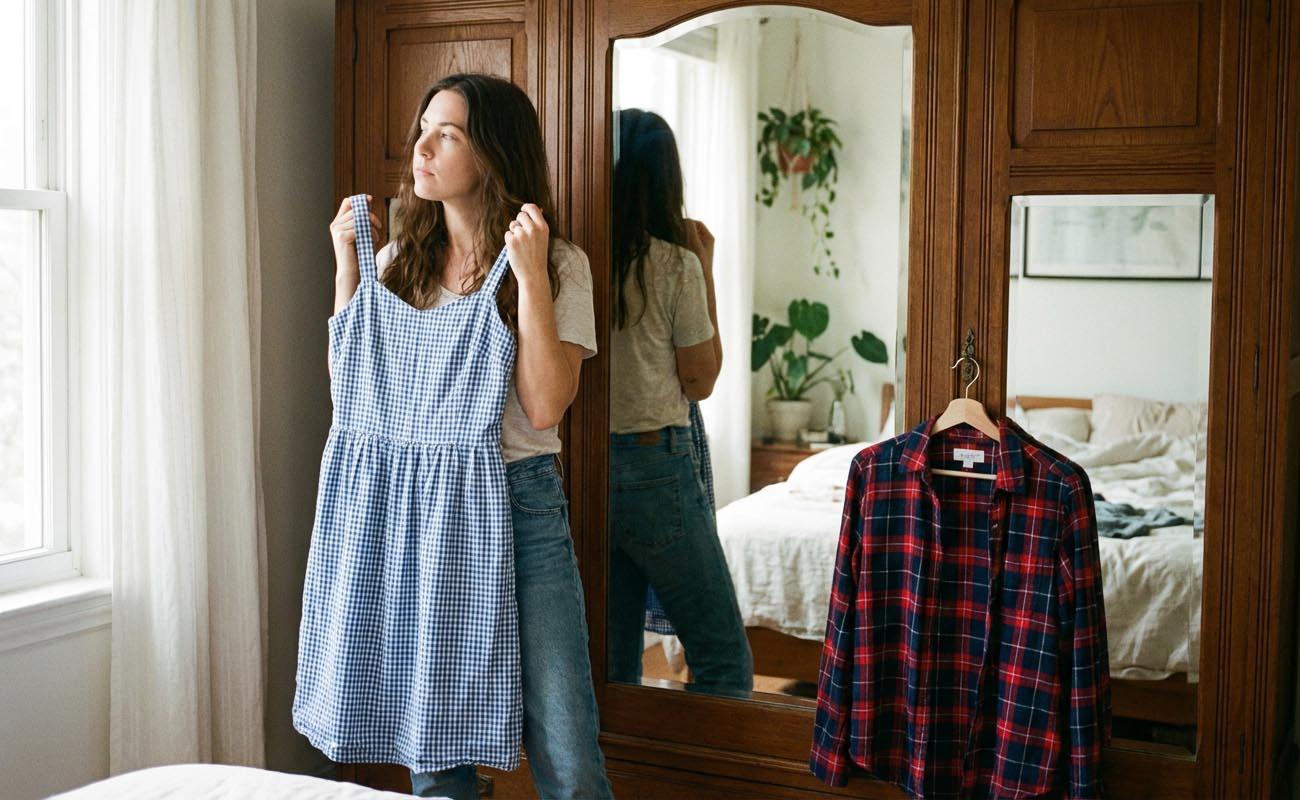
When deciding between these patterns, consider the aesthetic you want to achieve. Gingham creates fresh, approachable, slightly nostalgic atmospheres that feel inherently optimistic. The pattern works beautifully when you want spaces or outfits to feel inviting, casual, and unpretentious. Its simplicity means it rarely overwhelms or dominates, making it relatively safe for pattern newcomers.
Plaid offers more dramatic possibilities with greater depth and complexity. Choose plaid when you want to make stronger visual statements, reference specific cultural traditions, or create richer layered aesthetics. Plaid accommodates both bold and subtle approaches depending on the specific variation selected, providing more range than gingham’s consistent character.
Fabric and season considerations matter significantly. For warm weather applications, gingham’s traditional cotton and linen constructions provide natural advantages. Summer dresses, lightweight shirts, and breathable kitchen textiles benefit from gingham’s crisp coolness. Plaid’s versatility across fabric weights means it works year-round, but heavier flannel and wool plaids clearly suit cold weather best.
Personal style alignment should guide your choice. If your aesthetic leans vintage, cottagecore, farmhouse, or Americana, gingham provides authentic pattern vocabulary. For preppy, traditional, Scottish heritage, or rustic cabin styles, plaid delivers more appropriate visual language. Contemporary minimalists might choose windowpane plaid for subtle pattern interest or avoid both in favor of solid colors.
Mixing Gingham and Plaid: Advanced Styling
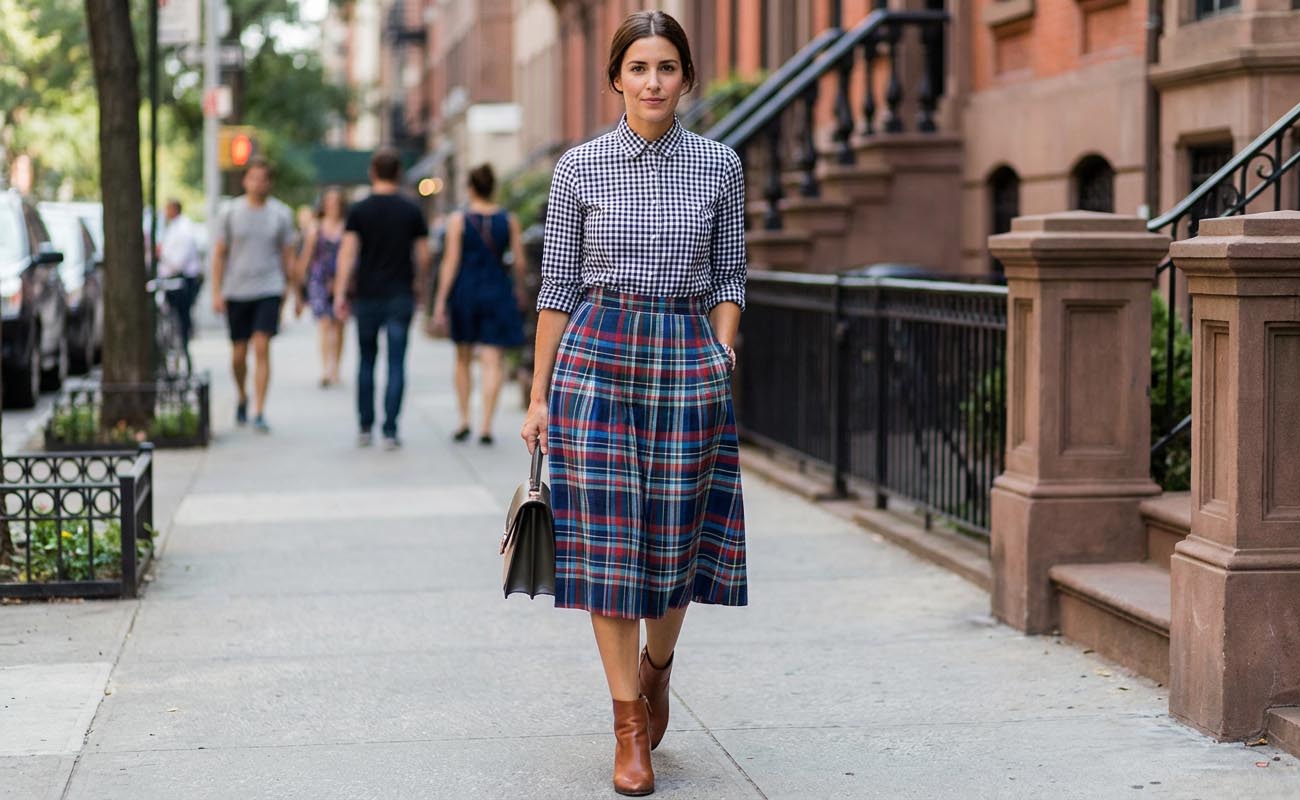
While generally advisable to choose one pattern at a time, experienced stylists successfully combine gingham and plaid under specific circumstances. The key lies in maintaining sufficient differences in scale and color while ensuring some visual connection between the patterns.
In home decor, gingham and plaid can coexist when distributed across different elements rather than competing in the same sight line. For example, gingham kitchen curtains might coordinate with plaid upholstered dining chairs if they share a color family and remain spatially separated. The gingham should use much smaller checks than the plaid to establish clear visual hierarchy.
Fashion mixing requires even more careful execution. Successfully pairing gingham and plaid means choosing patterns in the same color story (both blue and white, for instance) while varying scale dramatically. A micro-gingham shirt might work under a large-scale plaid blazer if the color coordination remains tight and the scale difference prevents the patterns from competing.
The Future of Gingham and Plaid in Design

Both patterns demonstrate remarkable staying power, continuously reinvented across centuries while maintaining core identities. Contemporary designers experiment with scale, unexpected color combinations, and novel applications that keep these classics feeling fresh.
Gingham’s recent resurgence in home decor reflects broader interest in comforting, nostalgic patterns that provide emotional anchoring in uncertain times. Design trends toward cottagecore and modern farmhouse aesthetics position gingham perfectly for continued popularity. Fashion designers also rediscover gingham regularly, each generation finding new ways to interpret the timeless check.
Plaid evolves through color innovation and scale manipulation while maintaining its essential character. Buffalo check experienced massive popularity growth in the 2010s, appearing on everything from holiday decor to streetwear. This expansion demonstrates plaid’s adaptability to changing tastes while preserving traditional associations that give the pattern depth and meaning.
Final Thoughts: Embracing Both Patterns
Understanding the difference between gingham and plaid enriches your appreciation for textile design while empowering better shopping and styling decisions. These patterns offer more than simple decoration; they carry cultural histories, evoke specific emotions, and communicate particular aesthetics that words alone cannot capture.

Gingham’s charm lies in its democratic simplicity. The pattern welcomes everyone with its friendly accessibility while possessing enough sophistication for elevated applications. Its two-color, even-checked structure creates instant visual harmony that rarely clashes or overwhelms, making it wonderfully forgiving for design novices.
Plaid’s complexity rewards deeper exploration. The pattern’s variations span from simple buffalo check to intricate clan tartans, each telling different stories and serving different purposes. This range means plaid can adapt to nearly any aesthetic preference while maintaining its recognizable character.
Both patterns deserve places in versatile wardrobes and thoughtfully designed homes. Rather than choosing sides in an imaginary gingham versus plaid rivalry, embrace what each pattern offers. Use gingham when you want approachable freshness and crisp simplicity. Turn to plaid when depth, tradition, and bold character suit your vision better.
The real secret lies not in memorizing technical distinctions but in developing your eye for how these patterns function in space and on the body. Notice how small-check gingham creates different effects than large-scale versions. Observe which plaid variations feel sophisticated versus casual. Through conscious attention, you’ll develop instinctive understanding that guides successful pattern use far better than any rulebook.
Whether you’re shopping for fabric, choosing an outfit, or decorating your home, knowing these patterns intimately helps you make choices that genuinely reflect your style while avoiding common pitfalls. Gingham and plaid have survived centuries of changing tastes precisely because they offer timeless appeal that transcends temporary trends. Understanding their differences allows you to harness that enduring power for your own creative expression.
Frequently Asked Questions About Gingham and Plaid
What is the main difference between gingham and plaid?
The primary difference lies in their structure and color use. Gingham always features exactly two colors (typically one color plus white) creating uniform, evenly-spaced squares of identical size. Plaid uses multiple colors (3-10+) with varying stripe widths that form rectangles and squares of different sizes. Think of gingham as simple and symmetrical, while plaid offers complexity and variation in its design.
Can you wear gingham and plaid together?
Yes, but it requires careful styling. Successfully mixing gingham and plaid means choosing patterns in the same color family while ensuring dramatic scale differences. For example, pair a micro-gingham shirt with a large-scale plaid blazer in coordinating colors. The key is maintaining one pattern as dominant and the other as subtle accent. Most stylists recommend keeping patterns in the same color story to avoid visual chaos.
Is buffalo check considered gingham or plaid?
Buffalo check is technically a type of plaid, not gingham, despite sharing the two-color format. While both use just two colors, buffalo check features much larger squares (1.5 to 6 inches) compared to gingham’s smaller checks (1/8 to 1/4 inch typically). Additionally, buffalo check traditionally uses bold, saturated colors like red and black, while gingham pairs any color with white. The patterns also carry different cultural associations and styling applications.
Which pattern is better for summer clothing, gingham or plaid?
Gingham generally works better for summer clothing due to its traditional construction on lightweight cotton or linen fabrics. The crisp, fresh appearance and breathable materials make it ideal for warm weather. However, plaid can also work for summer when made from lightweight cotton, madras, or linen. The fabric weight matters more than the pattern itself, so look for summer-appropriate materials regardless of which pattern you choose.
