


Blog
The secret to the perfect Oktoberfest silhouette: Your guide to dirndl bras


There is a palpable magic in the air when Oktoberfest season arrives. The smell of roasted almonds, the sound of brass bands playing in the distance, and the sight of intricate traditional attire filling the streets all contribute to an atmosphere unlike any other. If you are preparing for your first visit to the Wiesn or simply upgrading your Trachten wardrobe, you have likely spent hours choosing the perfect dress. You have considered the apron color, the length of the skirt, and the fabric of the bodice. However, there is one crucial element that often gets overlooked until the very last minute, yet it holds the power to make or break your entire look.
The question comes up time and time again for newcomers and seasoned festival-goers alike: do you actually wear a bra with a dirndl? Given the tight, corset-like nature of the bodice, it is a valid inquiry. Some assume the dress provides enough structural support on its own, while others worry about straps slipping or cups showing. The short answer is a resounding yes. Wearing the right foundation garment is not just a suggestion; it is practically a requirement for achieving that iconic, flattering silhouette associated with Bavarian tradition.
However, reaching into your lingerie drawer and grabbing your everyday t-shirt bra or a comfortable sports bra will rarely yield the results you want. The architecture of a dirndl is unique, designed to frame the décolleté in a very specific way. To do the dress justice, you need undergarments that understand the assignment. This guide explores exactly what you need to wear underneath your Trachten to ensure you look authentic, feel supported, and stay comfortable from the first “O’zapft is!” to the final song in the tent.
Understanding the purpose of a dirndl bra
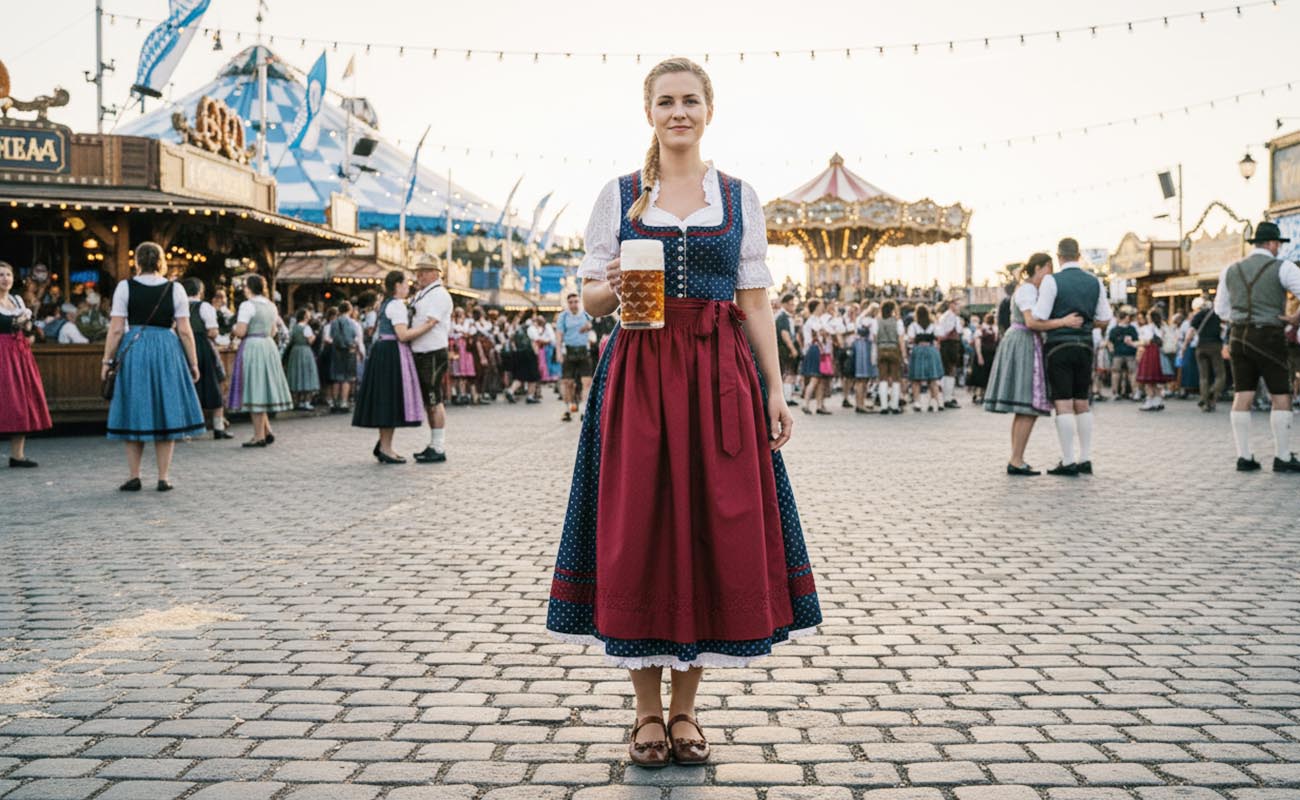
To understand why a specific type of bra is necessary, you first have to understand the construction of the dirndl itself. Traditional Bavarian dresses are designed to accentuate the female form, specifically focusing on a cinched waist and a lifted bust. The bodice acts somewhat like a corset, smoothing out the torso and providing a firm shell. However, while the bodice pushes everything inward, it does not necessarily lift or shape the bust on its own. Without the right support underneath, the pressure from the tight bodice can compress the chest, leading to a flattened look or the dreaded “uni-boob” effect, where definition is lost entirely.
The primary purpose of a specialized dirndl bra is to counteract this compression by providing significant lift and separation. It works in tandem with the blouse and the bodice to create a “balcony” effect. The goal is to lift the bust high onto the chest wall, creating volume and that characteristic shelf-like cleavage that looks so stunning framed by a square or heart-shaped neckline.
Beyond aesthetics, there is a functional purpose to wearing the right bra. A dirndl is meant to be worn snug—often tighter than your regular clothing. If your bust is not properly supported and positioned, the friction and pressure of the tight fabric can become incredibly uncomfortable after a few hours of sitting on wooden benches and dancing. A proper bra anchors everything in place, protecting your skin and ensuring that the bodice fits you as the tailor intended. It provides the structural integrity that allows the dress to shine.
Types of bras to wear with a dirndl

When you begin your search for the perfect undergarment, you will quickly realize that “dirndl bra” is more of a category than a single specific product. Several styles can work beautifully depending on your body type and the cut of your dress.
The Balconette Bra
The undisputed queen of Trachten lingerie is the balconette bra. This style is characterized by cups that are cut horizontally across the top, often revealing the upper half of the breast. The straps are typically set wider apart than on a standard bra, sitting closer to the edge of the shoulder. This structural design is essentially perfect for a dirndl. The lower cut of the cup ensures that the bra remains invisible under the low necklines of traditional blouses, while the wide-set straps hide perfectly under the broad shoulders of the bodice. A balconette provides that essential shelf-like lift, pushing the bust up rather than centering it, which is exactly what the traditional silhouette demands.
The Push-Up Bra
For those with smaller busts or anyone looking to maximize their curves, a push-up bra is a fantastic option. In the context of a dirndl, a push-up bra does exactly what the name suggests: it pushes the tissue upwards and inwards. This helps to fill out the bodice and create volume in the upper chest area. Many modern dirndl bras incorporate substantial padding in the lower section of the cup to achieve this. The key with a push-up style is to ensure the transition is smooth. You want enhanced volume, but you still want the silhouette to look relatively organic within the framing of the dress.
The Plunge Bra
While the square neckline is traditional, modern dirndl variations often feature deep V-necks or more daring cuts. For these styles, a balconette might show at the center gore (the piece of fabric connecting the cups). This is where the plunge bra shines. Designed with a very low center connector, usually in a V-shape, this bra provides support from the sides and bottom without covering the center of the chest. It pushes the breasts together to create cleavage while remaining completely hidden under plunging necklines.
The Minimizer or Full-Support Bra
If you have a larger bust, your priority might be security and containment rather than added volume. However, be cautious with standard full-coverage bras, as the high fabric on the cups will almost certainly peek out from a low-cut dirndl blouse. Instead, look for supportive underwire styles that are specifically cut with a lower profile, often labeled as “half-cup” or “demi-cup.” These offer the sturdy underwire and band support you need without the excessive fabric coverage that ruins the illusion of the neckline.
How to choose the right bra for your dirndl
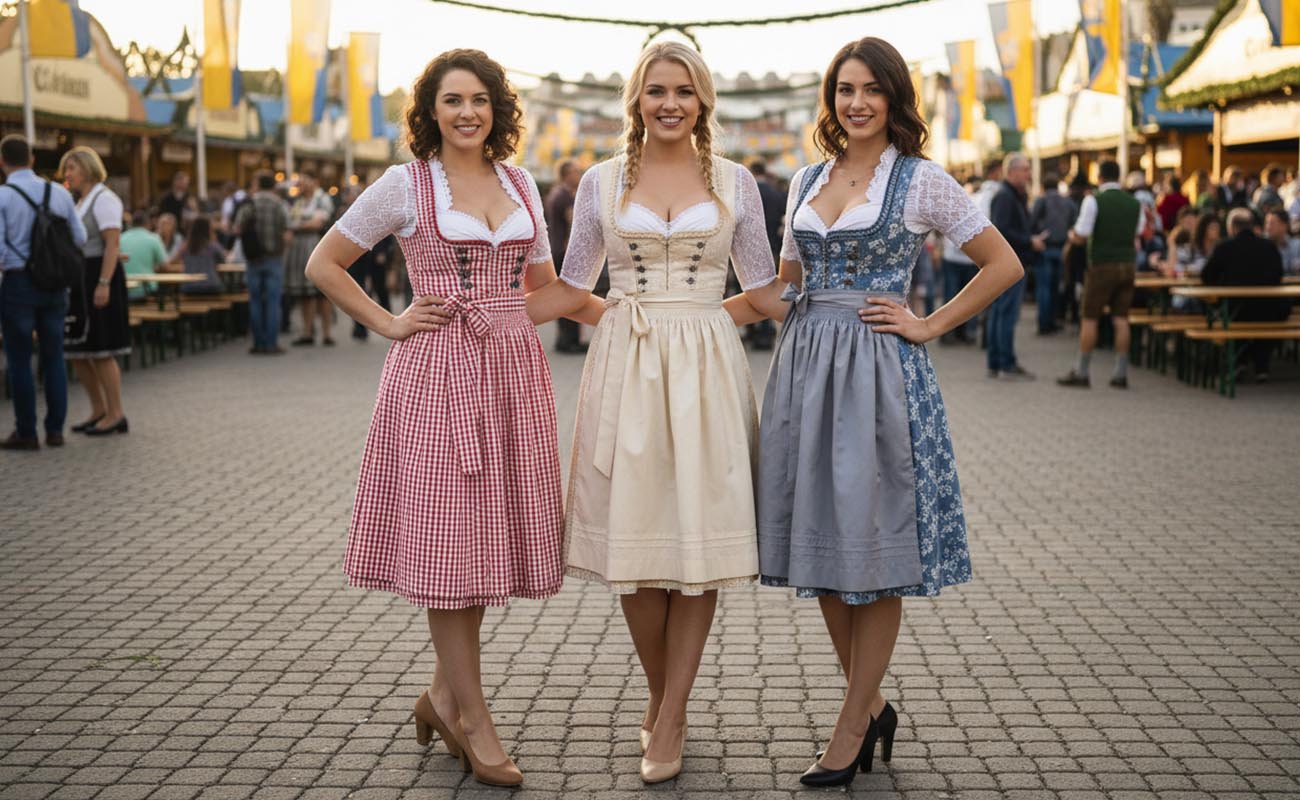
Selecting the right bra is not just about your body size; it is about geometry. You must match the lines of your undergarments to the lines of your dress. The most critical factor is the shape of your neckline.
If your dirndl has the classic square or rectangular neckline (often called a Balkonette-Ausschnitt in German), your bra must mimic this horizontal line. A bra with triangular cups will likely gap or show at the corners. Here, the half-cup or balconette style is non-negotiable. The top edge of the bra should run parallel to the neckline of the blouse, sitting just a centimeter or two below it to ensure it stays hidden even when you move.
For a heart-shaped neckline, which dips slightly in the center and curves up over the bust, you have a bit more flexibility. A balconette still works wonders here, but you can also opt for a style with slightly more angled cups, provided the center gore is low enough not to peek out from the dip in the heart shape.
Color is another factor that is often ignored. While black bras are a staple in many wardrobes, they are a risky choice under the classic white dirndl blouse. Even if the blouse fabric seems opaque, photography flashes and bright beer tent lighting can make white fabric transparent. The safest and most professional choice is always a nude bra that matches your skin tone. This renders the bra invisible, ensuring that the focus remains on the intricate lace of your blouse and the embroidery of your bodice.
Tips for a comfortable fit
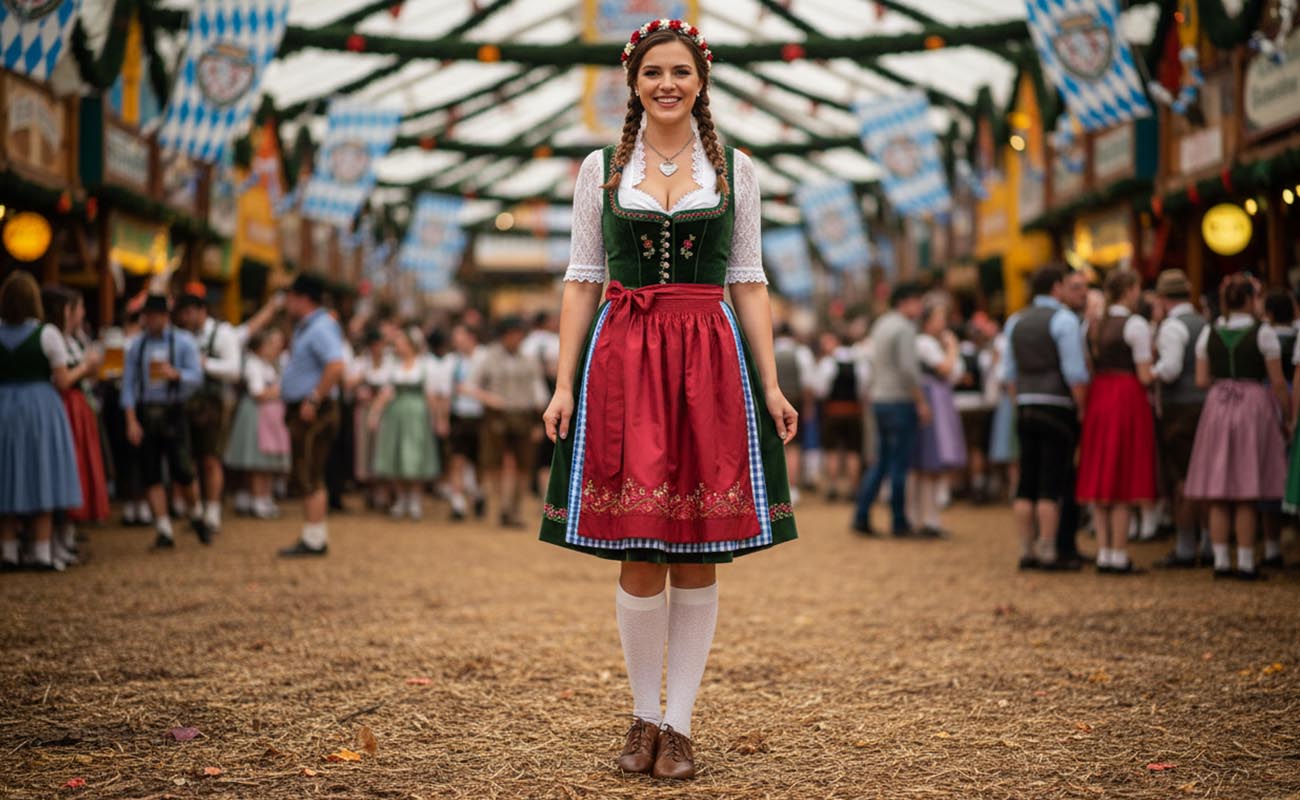
Oktoberfest is a marathon, not a sprint. You might be wearing your dirndl for ten to twelve hours, much of which will be spent standing, swaying, and navigating crowded spaces. If your bra is uncomfortable, your entire experience will suffer.
The most important component of comfort is the band size. In a dirndl, the band of your bra needs to be firm. Since the bodice of the dress is tight, a loose bra band will ride up your back instantly, offering zero support and requiring constant adjustment. The support should come 80% from the band and only 20% from the straps. When you try on your bra, jump up and down a few times. If the band moves, it is too loose.
For those with a larger bust, strap width is crucial. While dainty straps look pretty, they can dig painfully into your shoulders under the weight of the dress. Look for bras with wider, padded straps. Since the shoulder straps of a dirndl bodice are usually quite wide themselves, you have plenty of room to hide a substantial, comfortable bra strap underneath without sacrificing aesthetics.
See More: What is a Dirndl?
Styling tips for the perfect look
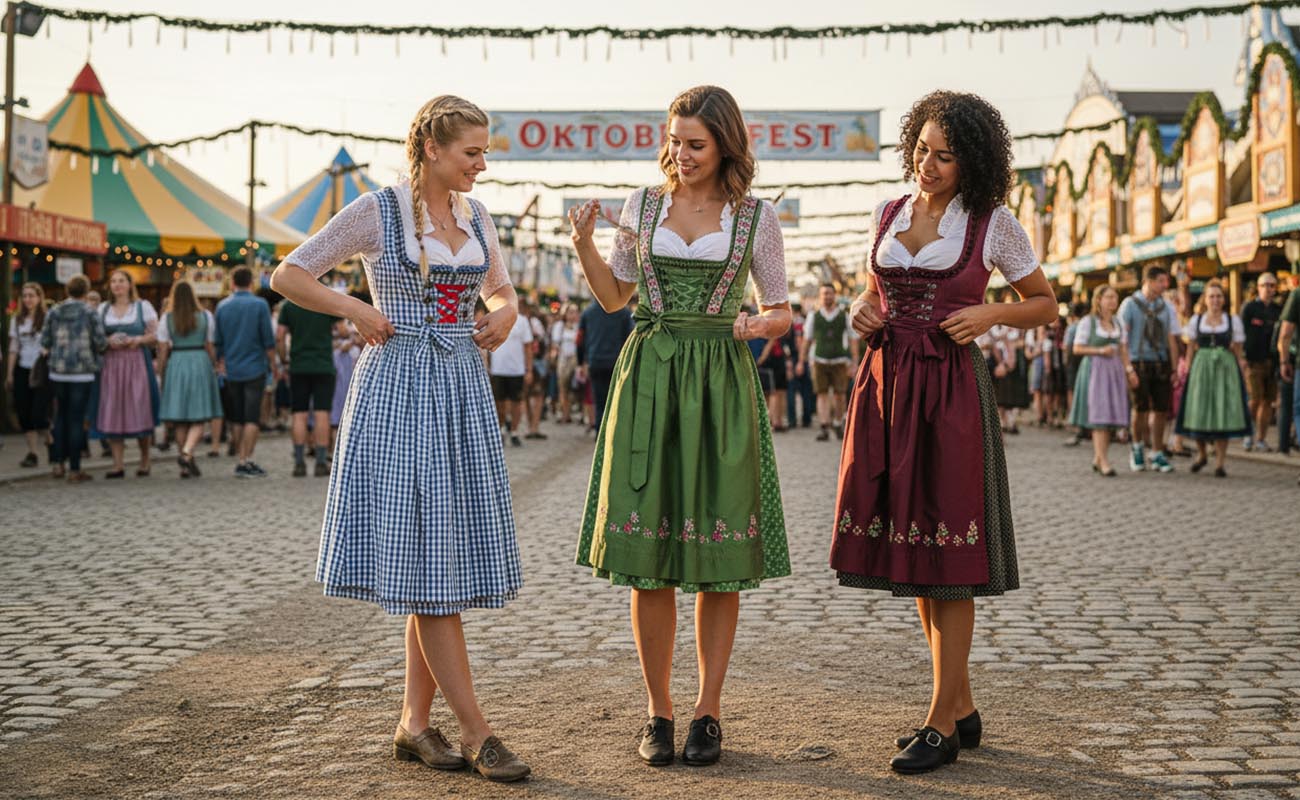
Once you have the mechanics sorted, you can focus on the styling. The right bra essentially acts as a pedestal for your dirndl. When your bust is lifted properly, it elongates your torso. This makes your waist look smaller in comparison, enhancing the hourglass figure that the dress is designed to celebrate.
Don’t be afraid to adjust your bust once you are fully dressed. After you have put on your bra, blouse, and bodice, lean forward slightly and “scoop” your bust into the cups and the bodice fit. This ensures that you are sitting high in the dress rather than being flattened by it.
If you are wearing a blouse with a variable neckline (one with a drawstring in the center), your bra choice gives you control over your look. Tightening the drawstring creates a deeper, more gathered neckline that shows off the cleavage created by a push-up bra. Loosening it creates a straighter, more modest line that pairs perfectly with a balconette for a classic, elegant appearance.
Common mistakes to avoid
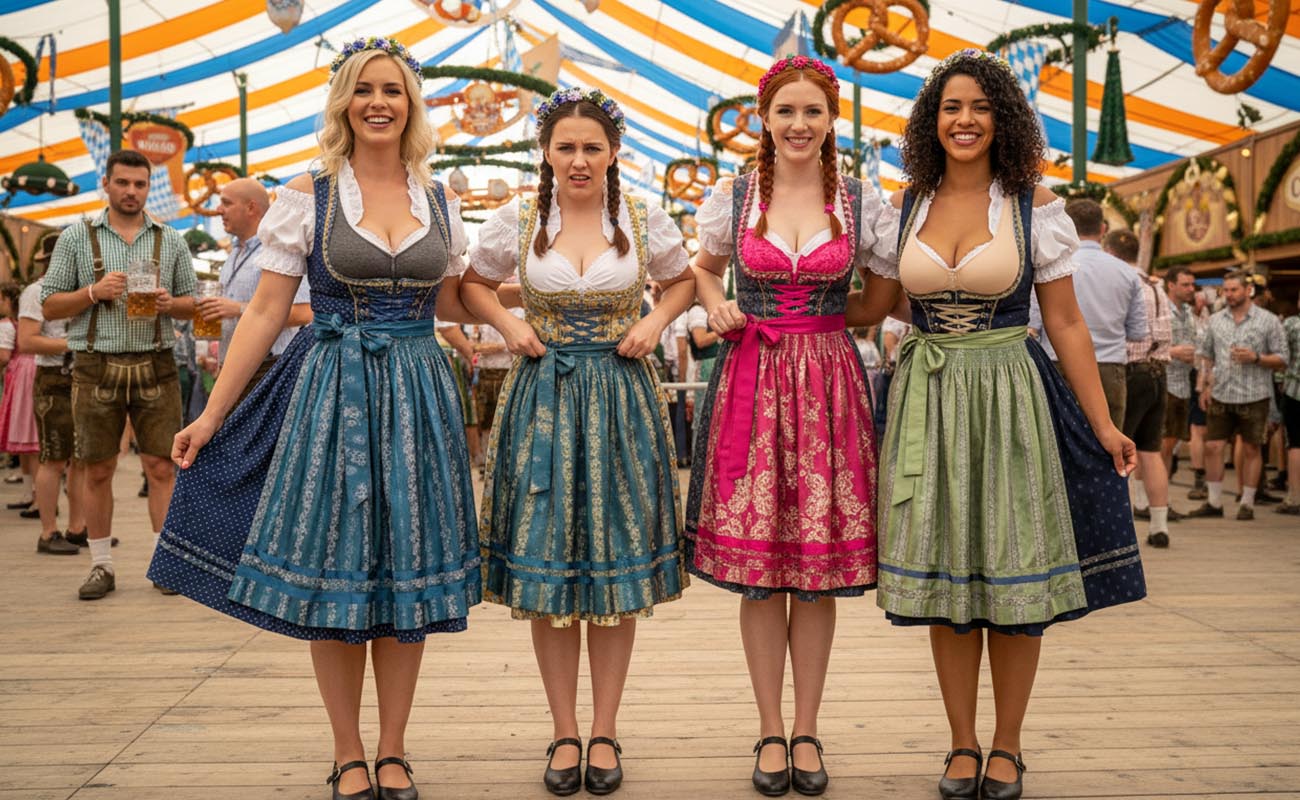
Even with the best intentions, many women compromise their outfit by making simple errors with their undergarments. Avoiding these pitfalls will ensure you look polished and authentic.
- Wearing a sports bra: Unless you are a professional folk dancer requiring extreme containment, leave the sports bra at home. They compress the chest and create a “uni-boob” that fights against the feminine architecture of the dirndl bodice.
- Assuming you need a strapless bra: Strapless bras often migrate downward over time, especially when you are active. Since dirndl bodices have wide shoulders, there is almost never a need to suffer through a strapless bra. Use the support of straps—just make sure they are wide-set.
- Showing visible lace or texture: A bra with heavy 3D lace or beadwork can look lumpy under a fine cotton or silk blouse. A smooth-cup or lightly molded bra usually provides the cleanest, most streamlined silhouette.
- Ignoring the side view: Sometimes a bra looks great from the front but cuts into breast tissue at the sides, creating a bulge under the armpit. Because dirndl bodices are cut low under the arm, this area is visible. Ensure your bra cups are wide enough to contain all breast tissue for a smooth side profile.
- Wearing a full-coverage t-shirt bra: These bras come up too high on the chest. Even if they don’t show when you are standing still, they will likely make an appearance the moment you sit down or lean forward.
Conclusion
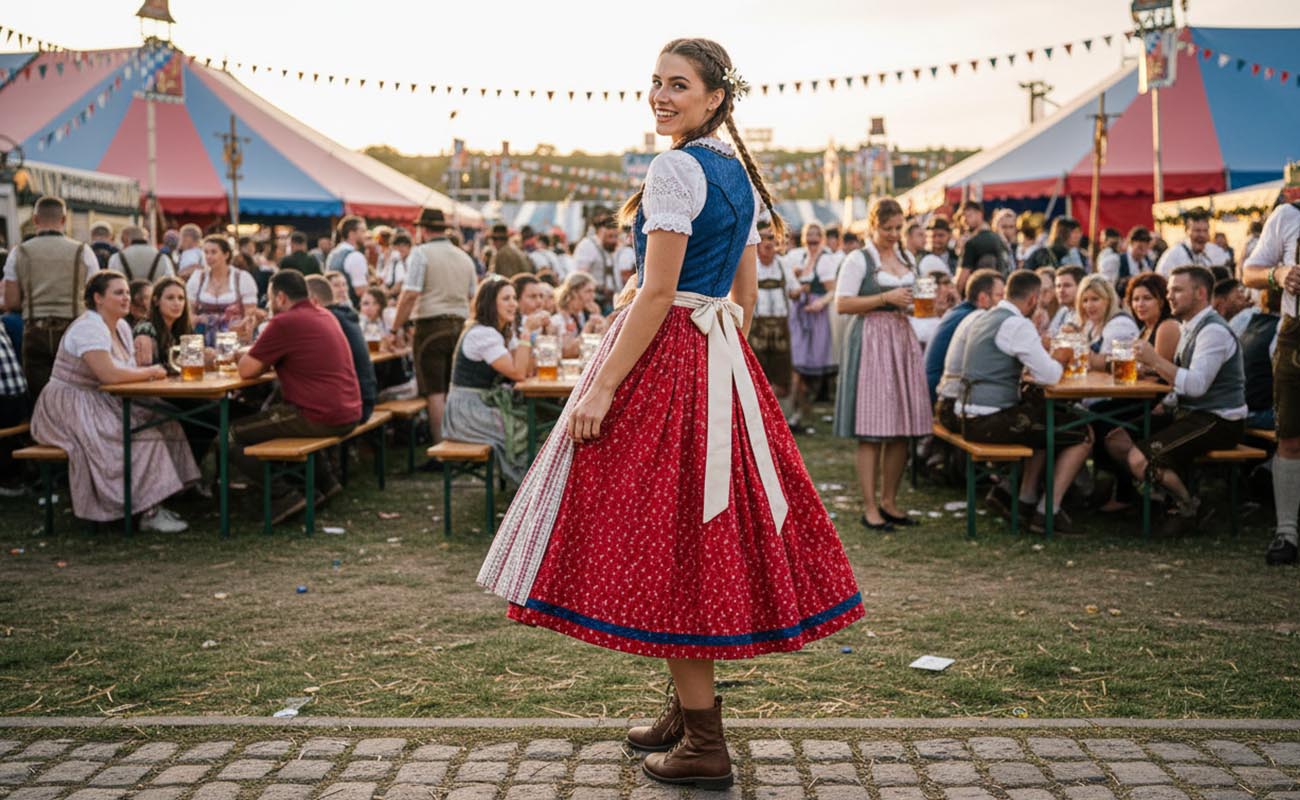
The dirndl is a garment steeped in tradition, designed to celebrate the wearer with a timeless, feminine shape. While the dress itself does much of the heavy lifting, it cannot do it all alone. Investing time in finding the right bra—specifically a balconette or dirndl-style bra that lifts and supports—is the secret to unlocking the full potential of your Trachten.
When your foundation is secure, you stand taller and feel more confident. You are not worrying about adjusting your straps or pulling up your bodice; you are simply enjoying the festivities. So, before you head to the festival grounds, take a moment to ensure your support system is as ready for the celebration as you are. With the perfect fit, you will look effortless, authentic, and ready to raise a glass in style.
Discover More: How to Sew Your Own Authentic Oktoberfest Outfit
