
What is a German Beer Girl Called? Complete Guide to Oktoberfest Beer Maids and Dirndl Tradition


When you picture the world-famous Oktoberfest beer festival in Munich, one iconic image immediately comes to mind: a German beer woman in traditional Bavarian dress skillfully carrying multiple heavy mugs through crowded festival tents. But what exactly is a German beer girl called? This comprehensive guide explores the authentic terminology, rich cultural heritage, and fascinating traditions behind these remarkable Oktoberfest women who embody Bavarian hospitality at its finest.
The Authentic German Terms for Beer Girl
The phrase “German beer girl” is primarily a tourist expression that has gained popularity internationally, but it does not represent authentic German terminology. In Bavaria, these professional servers are formally known as Kellnerin, which simply means waitress in German. During Oktoberfest specifically, these hardworking women are referred to as Wiesn Kellnerin or Oktoberfest beer maids, recognizing their specialized role at the world’s largest beer festival.
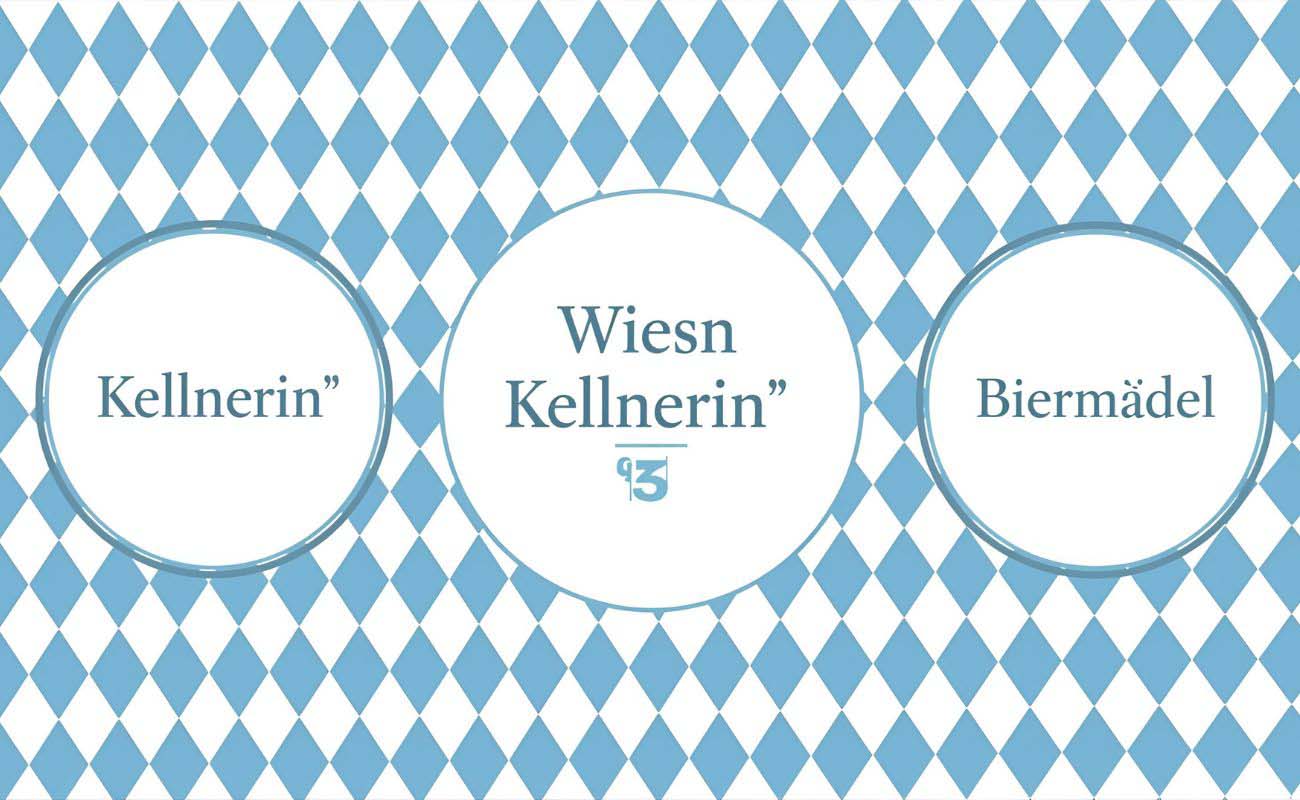
In casual Bavarian dialect, you might hear the playful term Biermädel, which translates literally to “German beer maiden” or beer girl. However, this colloquial expression is rarely used in everyday German conversation and appears more commonly in festive settings. Another regional variation is Bavarian Madln, a warm Bavarian term for young women who serve at traditional beer halls and festivals throughout the region. Some English speakers also use terms like German beer lady or German bar maid when referring to these servers.
Quick Summary of German Beer Girl Names:
- Kellnerin – Official German term meaning waitress
- Wiesn Kellnerin – Specific term for Oktoberfest barmaid
- Biermädel – Casual term meaning “beer maiden”
- Bavarian Madln – Regional dialect for young women servers
- Beer Maid/Beer Maiden – Common English tourist terms
- Beer Wenches – Playful historical term sometimes used at festivals
The international image of the so-called German beer maid emerged largely through tourism marketing, Hollywood films, and global advertising campaigns that emphasized the visual appeal of women in traditional dress serving oversized beer mugs. While this representation has made Oktoberfest globally recognizable, locals in Bavaria prefer to acknowledge these women as professional servers and cultural representatives rather than symbolic figures created for tourist entertainment. The Oktoberfest mascot imagery often features these iconic servers prominently.
Understanding the Dirndl: The Iconic Traditional Dress
The most distinctive feature of any Oktoberfest beer maid is undoubtedly her traditional attire. The Dirndl is a feminine garment that originated in German-speaking Alpine regions and has become synonymous with Bavarian culture worldwide. The name itself derives from the Bavarian German word “Dirn” or “Dirne,” originally meaning “young woman,” making Dirndl essentially translate to “little woman” or “young maiden.”
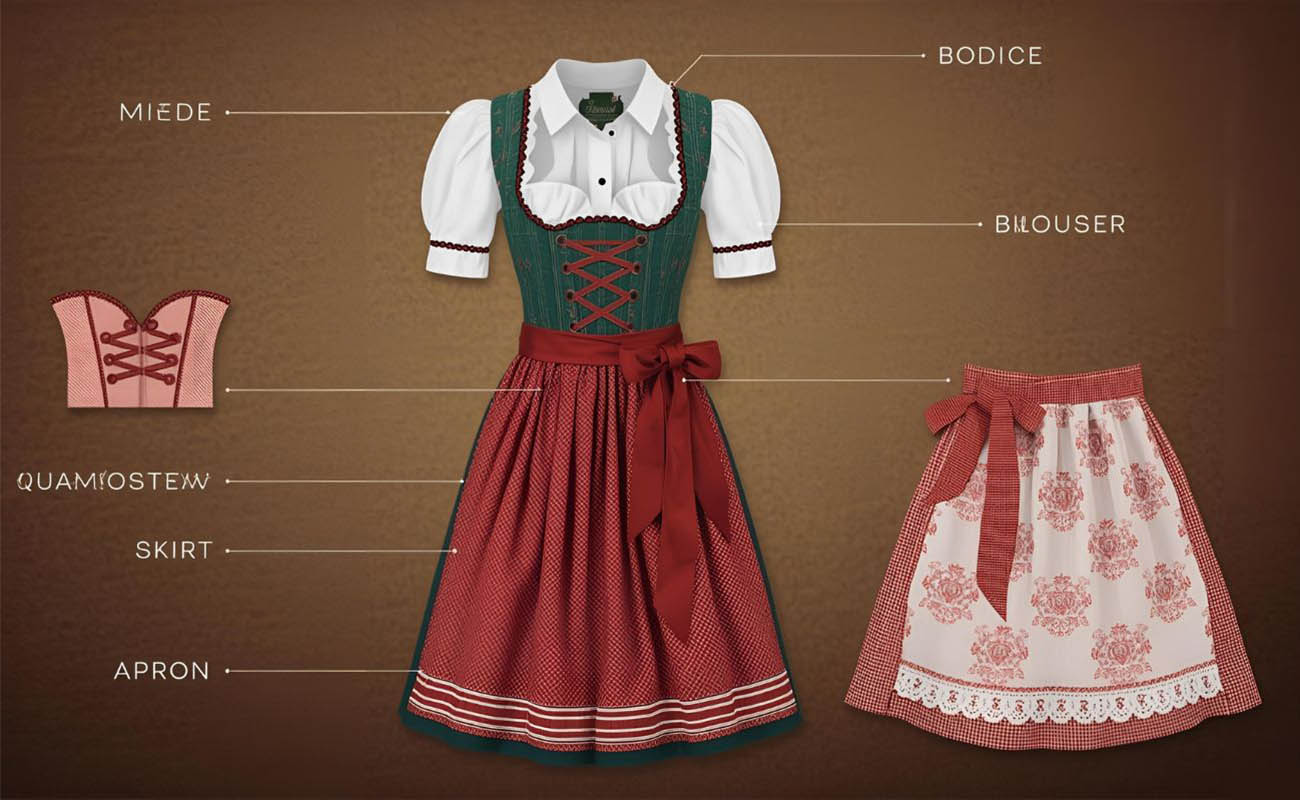
A complete traditional Dirndl consists of four essential components that create its distinctive silhouette. The fitted bodice features a low neckline and cinches at the waist to accentuate the wearer’s figure elegantly. Underneath the bodice, women wear a white blouse typically made of cotton or delicate lace with puffed or gathered sleeves. The full, wide skirt flows from a high waistline and can vary in length depending on current fashion trends and regional traditions. Finally, the decorative apron ties around the waist and carries significant cultural meaning through its bow placement.
Essential Components of a Traditional Dirndl:
- Bodice (Mieder) – Fitted top with low neckline
- Blouse (Bluse) – White cotton or lace with puffed sleeves
- Skirt (Rock) – Full, wide skirt from high waistline
- Apron (Schürze) – Decorative apron with meaningful bow placement
- Accessories – Traditional jewelry, shoes, and hairstyles
The Dirndl developed as practical work clothing for Alpine peasant women between the 16th and 18th centuries in regions including Bavaria, Austria, Switzerland, and Liechtenstein. During the late 19th century, urban upper and middle classes began adopting the Dirndl as fashionable attire, transforming it from humble workwear into a celebrated symbol of regional identity and cultural pride that continues thriving today. Many visitors now purchase costume beer wench outfits inspired by authentic Dirndl designs for their own Oktoberfest celebrations.
The Secret Language of the Dirndl Bow
One of the most fascinating aspects of Dirndl tradition involves the placement of the apron bow, which serves as a subtle form of nonverbal communication about the wearer’s relationship status. This charming custom developed during the 19th century when young women could discreetly signal their romantic availability to potential suitors without speaking directly about such personal matters.
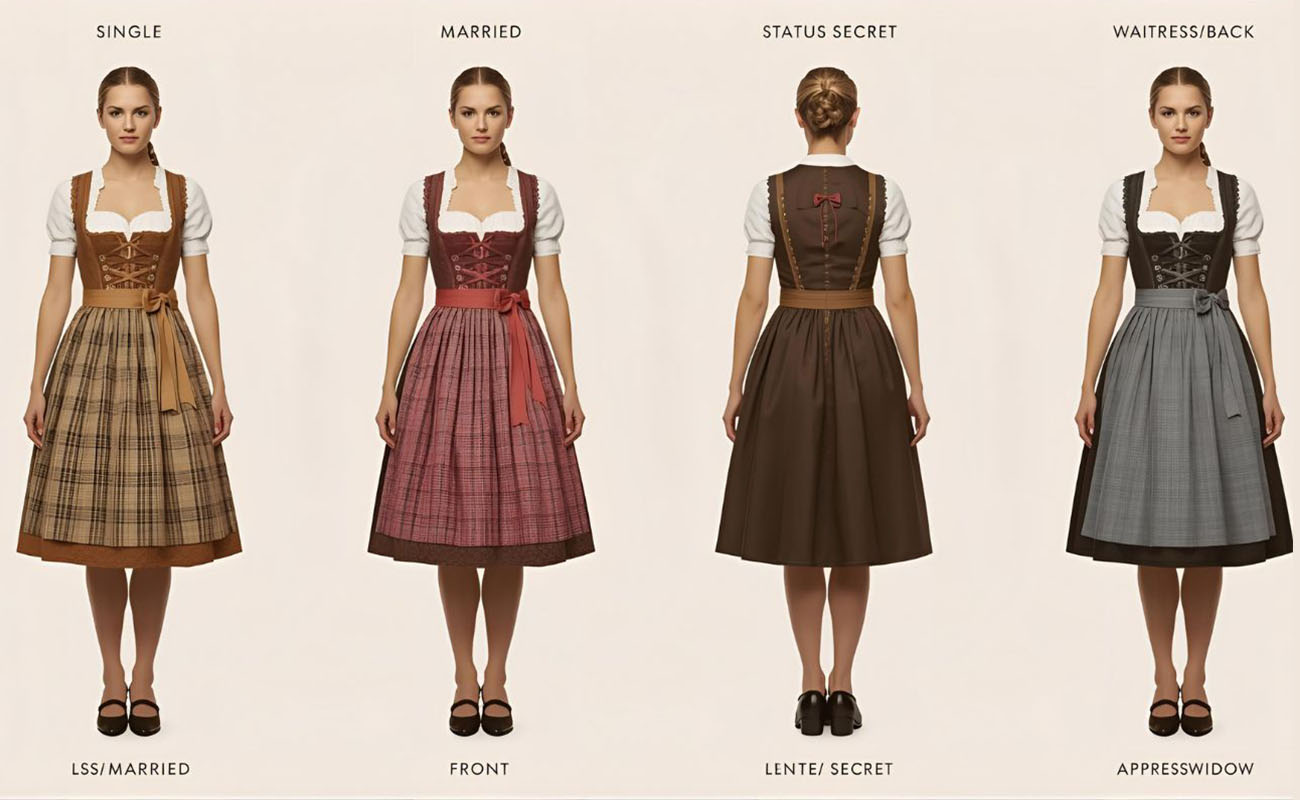
When an Oktoberfest woman ties her apron bow on the left side, she announces to the world that she is single and potentially open to romantic interest. Bavarians have a saying that goes “Bow on the left brings luck,” encouraging single women to position their bow accordingly during festive celebrations. Conversely, tying the bow on the right side indicates that the wearer is married, engaged, or otherwise committed in a relationship and not interested in romantic advances.
The center front bow placement traditionally signifies that the wearer is either a virgin or prefers not to disclose her relationship status publicly. Meanwhile, a bow tied at the center back historically indicated widowhood, though today this position is also commonly used by working Oktoberfest beer maids to keep their apron strings out of the way while serving customers carrying heavy mugs.
Dirndl Bow Placement Quick Guide:
- Left Side – Single and available
- Right Side – Married, engaged, or in a relationship
- Center Front – Virgin or status undisclosed
- Center Back – Widow or working waitress
The Demanding Life of an Oktoberfest Beer Wench
Working as an Oktoberfest beer maid represents one of the most physically and mentally demanding service jobs imaginable, requiring extraordinary strength, endurance, and interpersonal skills. These remarkable German beer women navigate through seas of thousands of celebrating visitors while balancing massive loads of heavy beer mugs and ensuring accurate order delivery with efficiency and grace.
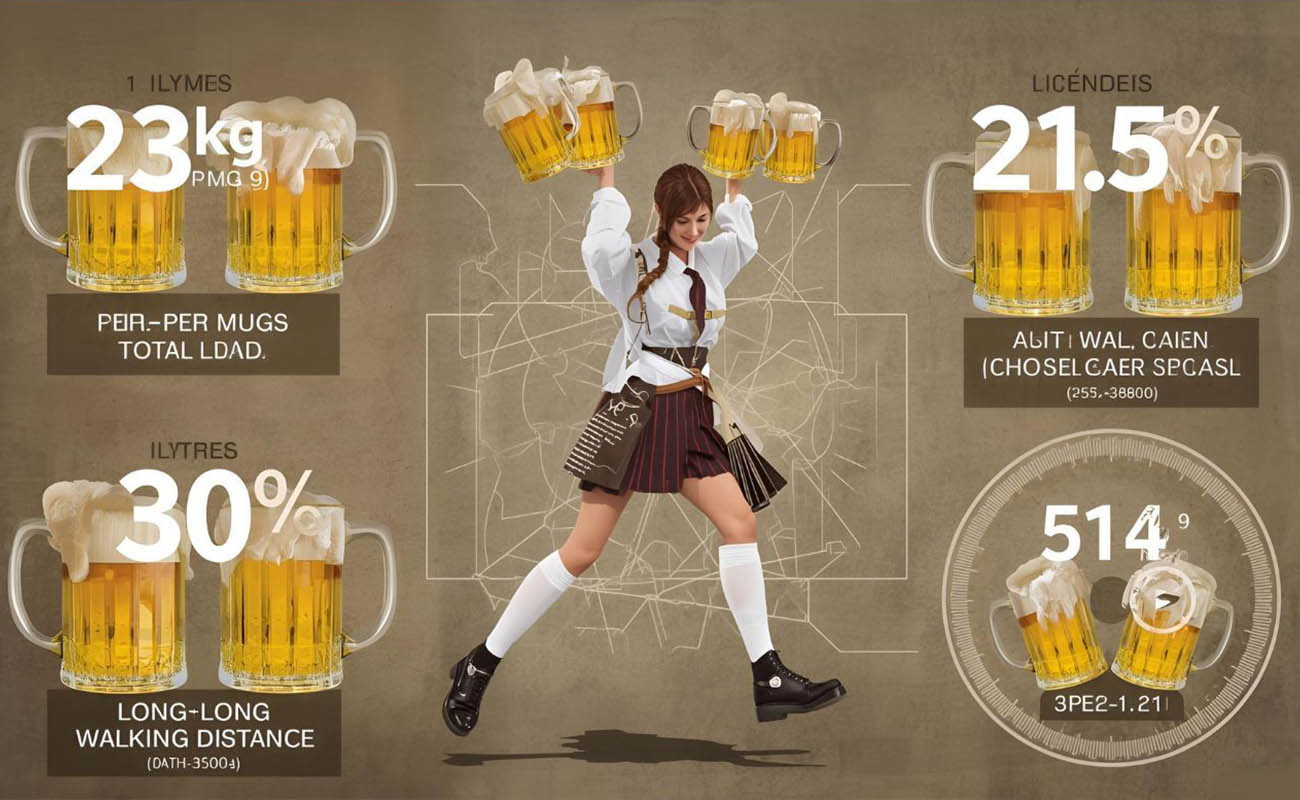
The physical demands are staggering by any measurement. A single Mass (one-liter beer mug) weighs approximately 2.3 kilograms when full, and skilled Oktoberfest barmaids routinely carry between six and ten mugs simultaneously. This means balancing loads weighing up to 30 kilograms (66 pounds) repeatedly throughout shifts lasting 11 to 15 hours daily. Additionally, these servers walk an average of 15 to 20 kilometers each day navigating crowded beer tents.
Physical Demands of Oktoberfest Beer Maids:
- Single Beer Mug Weight – 2.3 kg (5 lbs) when full
- Mugs Carried at Once – 6 to 10 simultaneously
- Total Carrying Weight – Up to 30 kg (66 lbs)
- Daily Walking Distance – 15 to 20 kilometers
- Shift Length – 11 to 15 hours daily
Beyond pure physical endurance, Oktoberfest beer wenches must possess exceptional memory for complex orders, crowd management expertise, and the ability to maintain warm hospitality while handling challenging situations involving intoxicated guests. Their role extends far beyond simple beverage service to encompass cultural representation, crowd entertainment through traditional songs, and maintaining the festive yet respectful atmosphere that makes the Oktoberfest beer festival truly special.
How Much Do Oktoberfest Beer Maids Earn?
The compensation structure for Oktoberfest barmaids differs significantly from typical restaurant service jobs and can prove quite lucrative for those who excel at the demanding work. Rather than receiving fixed hourly wages, these German bar maids earn primarily through a commission system based on their sales volume plus customer tips.
On average, Oktoberfest beer maids receive approximately 10% commission on every beer and food item they sell. This performance-based structure means earnings vary dramatically depending on which tent section a server works, weather conditions affecting visitor attendance, and individual selling abilities. Over the complete 16 to 18-day festival duration, average earnings range between €5,000 and €16,000, with top performers in premium tent sections earning even higher amounts.
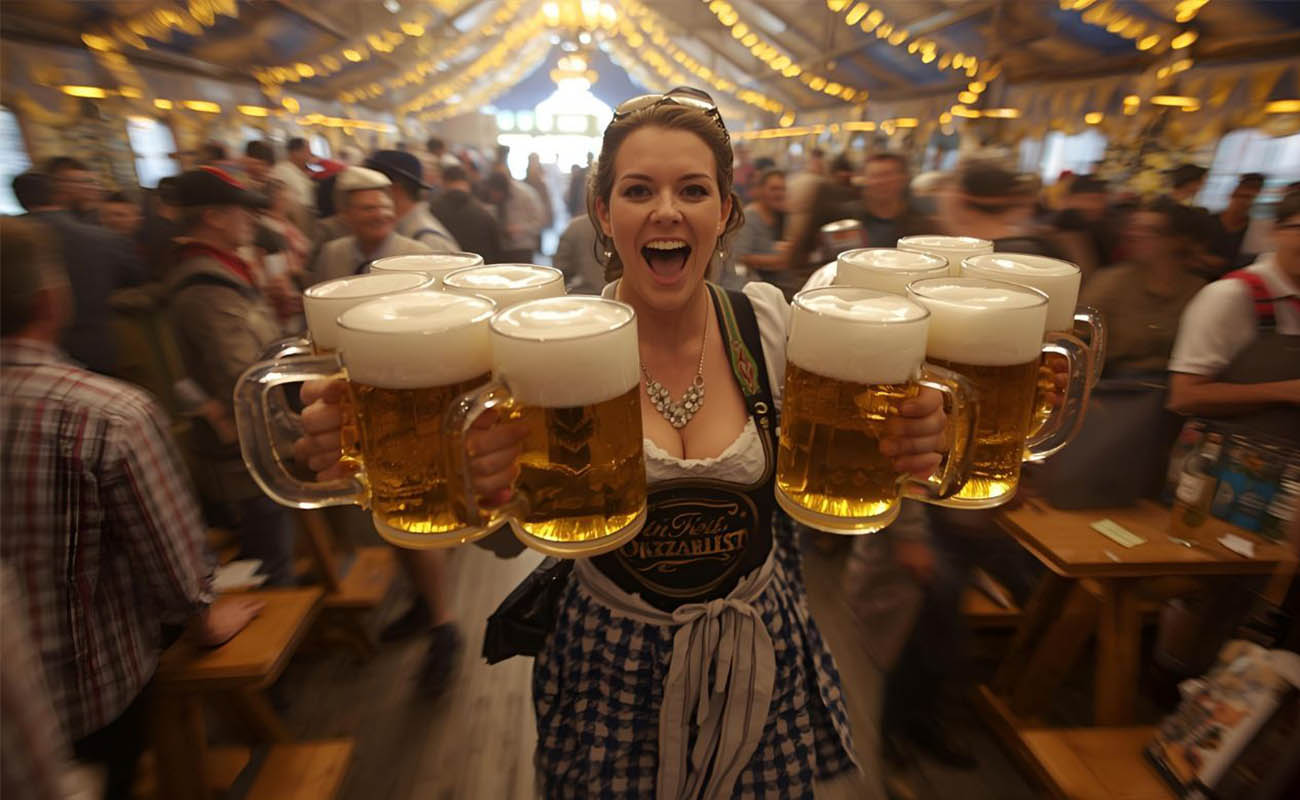
Tips constitute a substantial additional income source, often adding several hundred euros per working day. American visitors tend to tip especially generously compared to European guests, who typically round up rather than calculating percentage-based gratuities. Working in sections serving champagne, wine, and premium beverages alongside beer proves most lucrative, as higher-priced items generate larger commission amounts for these hardworking German beer ladies.
Oktoberfest Beer Maid Earnings Breakdown:
- Commission Rate – Approximately 10% on all sales
- Festival Total Earnings – €5,000 to €16,000 average
- Daily Tips – Several hundred euros possible
- Best Sections – Champagne and premium beverage areas
- Shift Duration – 11 to 15 hours daily
The History of Oktoberfest: From Royal Wedding to Global Beer Festival
Understanding the German beer girl tradition requires appreciating the remarkable history behind Oktoberfest itself. The festival originated on October 12, 1810, when Crown Prince Ludwig of Bavaria married Princess Therese of Saxe-Hildburghausen in an elaborate celebration that captivated the entire Bavarian population.
The wedding festivities lasted five spectacular days, culminating in a grand horse race held on open meadows outside Munich’s city gates. The celebration proved so successful that officials decided to repeat the festivities annually, establishing the tradition that would eventually become the world’s largest Oktoberfest beer festival. The festival grounds were named Theresienwiese (Therese’s Meadow) in honor of the princess bride, a name Bavarians affectionately shorten to simply “die Wiesn.”
Interestingly, beer was not actually part of the original celebration. The first beer stalls did not appear at the festival grounds until 1818, and alcohol service remained limited to small wooden huts for another eighty years. The transformation came during the 1890s when Munich innkeepers partnered with local breweries to construct massive temporary structures capable of seating thousands of guests simultaneously under one roof, staffed by the earliest versions of what we now recognize as Oktoberfest beer maids.
Evolution of the Modern Beer Tent Experience
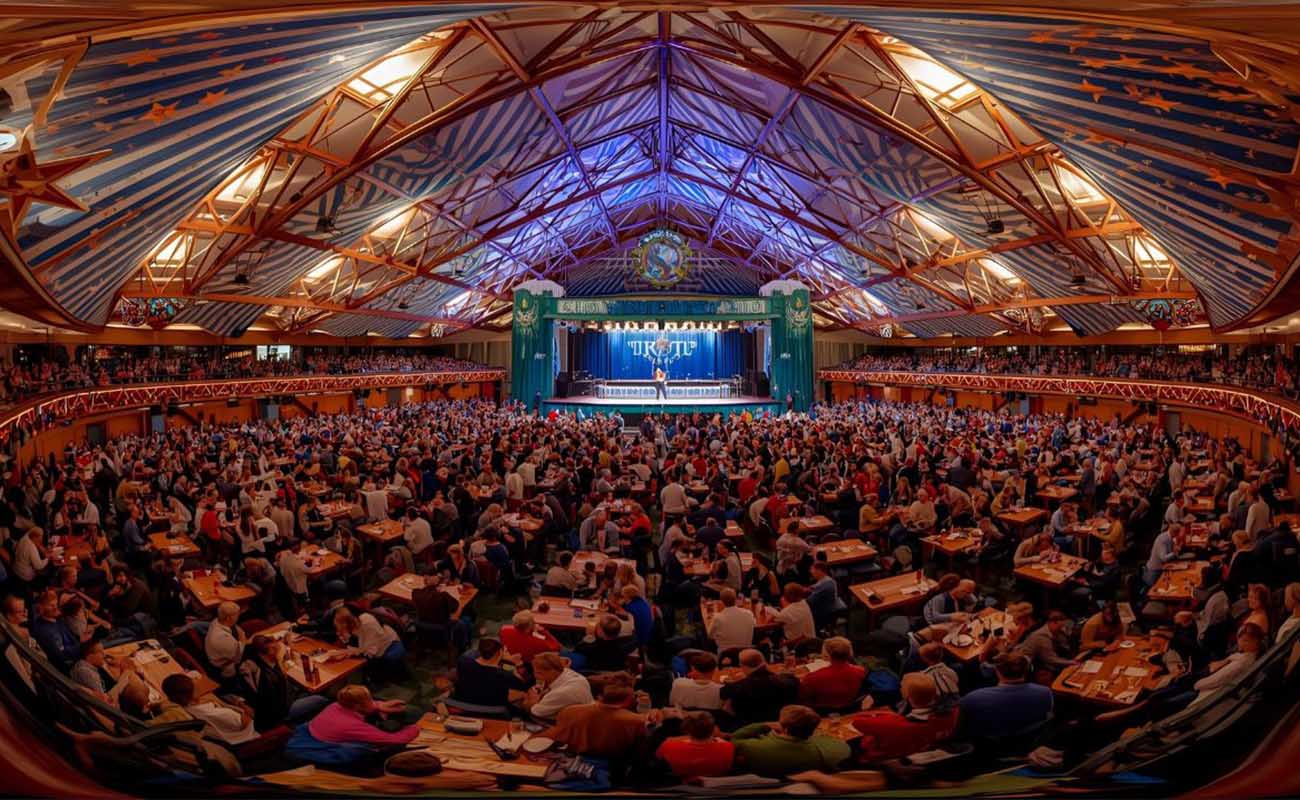
The beer halls visitors experience today at Oktoberfest bear little resemblance to the modest refreshment stands of the festival’s early years. Modern beer tents represent engineering marvels that can accommodate up to 12,000 guests within single temporary structures featuring interior balconies, elaborate decorations, and live Oktoberfest entertainment stages.
Each of the six Munich breweries permitted to serve beer at Oktoberfest operates its own distinctive tent with unique character and atmosphere. Augustiner, Hacker-Pschorr, Hofbräu-München, Löwenbräu, Paulaner, and Spaten each brew special Märzen-style beers specifically for the festival that exceed regular alcohol content and follow traditional German brewing standards established by the famous Reinheitsgebot purity law of 1516.
Official Oktoberfest Breweries:
- Augustiner – Oldest Munich brewery, traditional atmosphere
- Hacker-Pschorr – Known for Himmel der Bayern (Heaven of Bavarians) tent
- Hofbräu-München – Most popular with international tourists
- Löwenbräu – Famous for iconic lion entrance
- Paulaner – Largest tent capacity
- Spaten – Historic brewery, classic festival experience
The festival has grown to attract approximately 7 million visitors annually, with the 2023 celebration setting attendance records at 7.2 million guests who consumed roughly 7.4 million liters of beer served by thousands of dedicated Oktoberfest beer maids. This extraordinary growth transformed what began as a local Bavarian celebration into a globally recognized cultural phenomenon exported to cities worldwide, from Cincinnati, Ohio, to Blumenau, Brazil.
Oktoberfest Entertainment and Cultural Performances
Beyond the iconic German beer maidens serving refreshments, Oktoberfest features diverse Oktoberfest entertainers who create the festival’s unforgettable atmosphere. Traditional Bavarian brass bands perform throughout each beer tent, leading crowds in beloved drinking songs and folk music that have echoed through these celebrations for generations.
Oktoberfest dancers in traditional costumes perform the Schuhplattler, a folk dance featuring rhythmic slapping of thighs and shoe soles that originated in the Alpine regions. These performances showcase Bavarian cultural heritage while entertaining crowds between beer servings. The dancers often interact with audiences, teaching simple steps and encouraging participation in the festivities.
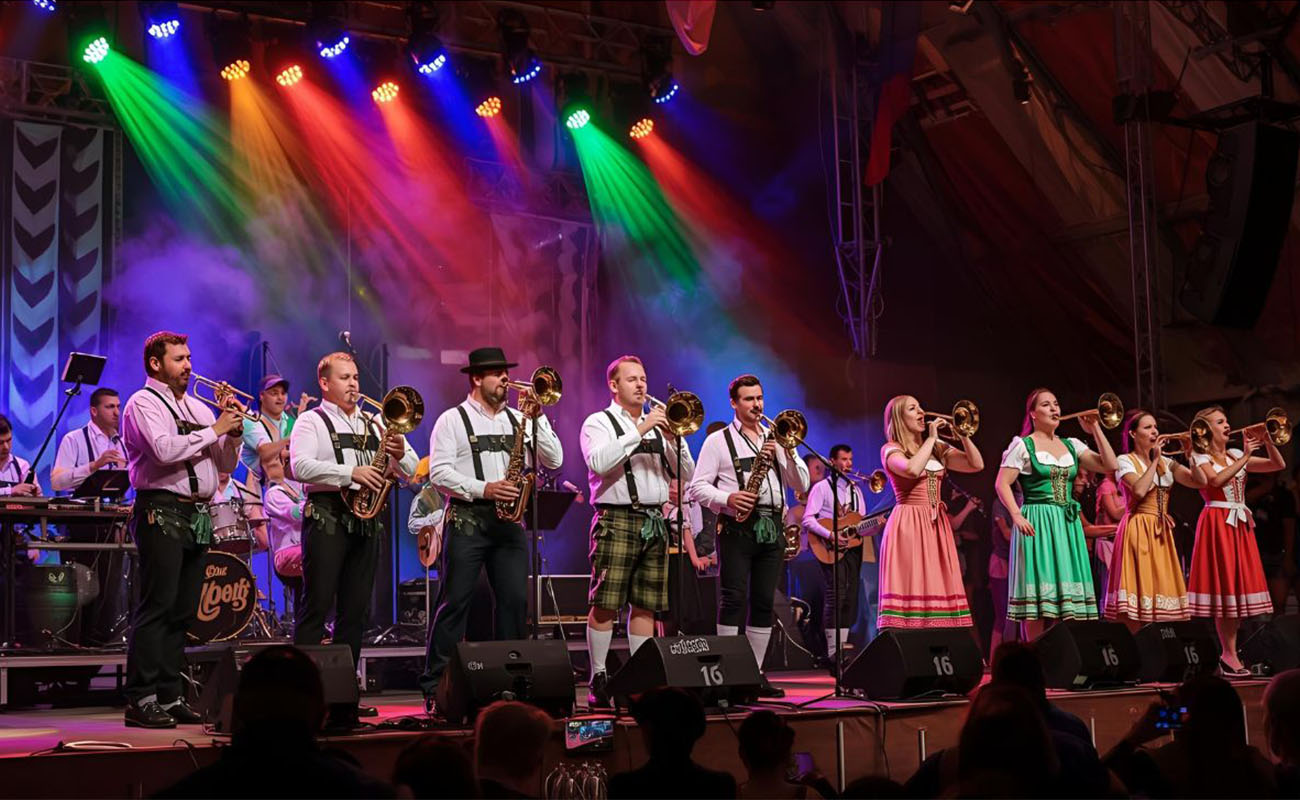
Live music stages throughout the festival grounds host various Oktoberfest entertainment options ranging from traditional oompah bands to contemporary performers. The atmosphere inside each tent varies significantly, with some focusing on traditional Bavarian music while others cater to younger crowds with modern hits. German beer women often join in the singing and celebration, further enhancing the communal festive spirit.
Types of Oktoberfest Entertainment:
- Brass Bands – Traditional Bavarian oompah music
- Schuhplattler Dancers – Folk dance performances
- Singing Sessions – Crowd participation drinking songs
- Carnival Rides – Amusement park attractions on festival grounds
- Parades – Traditional costume processions
- Live Concerts – Various musical performances
Boulevard Oktoberfest and Global Celebrations
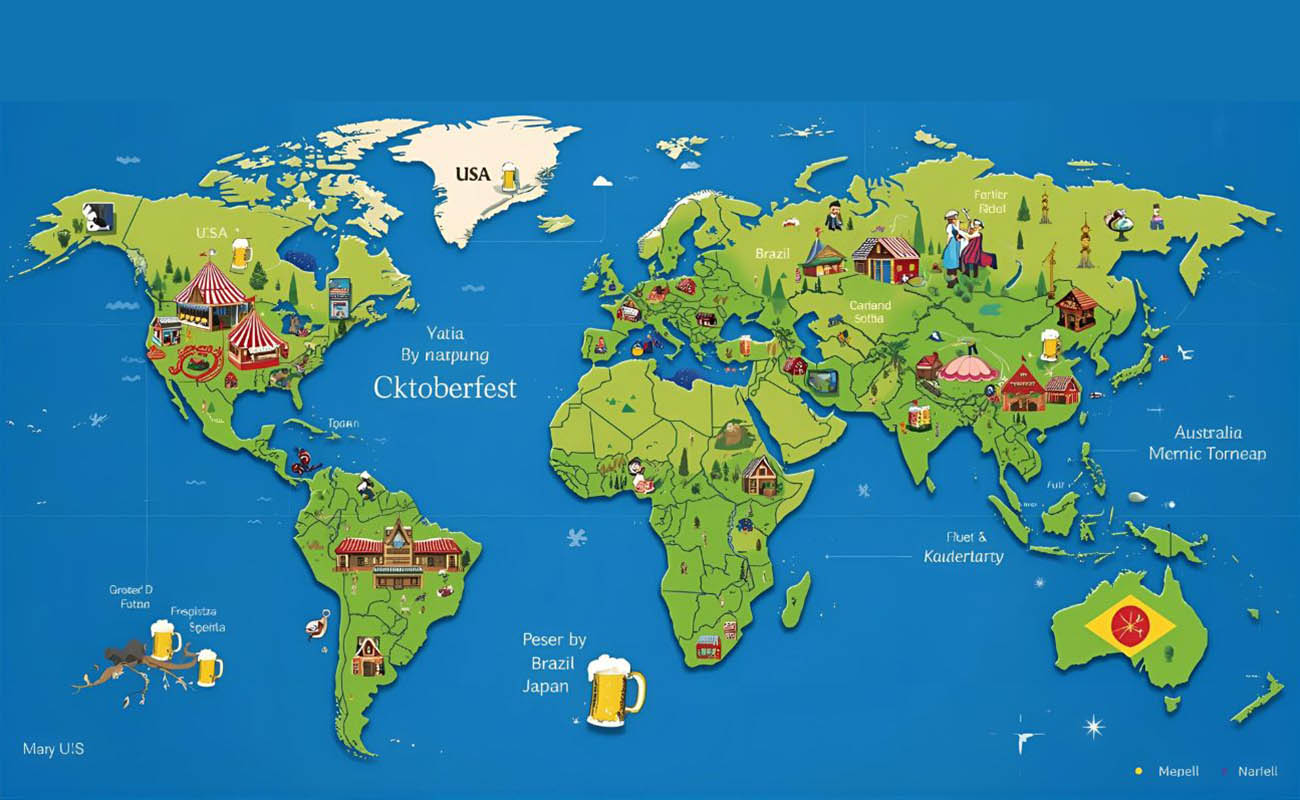
The success of Munich’s original celebration inspired countless Boulevard Oktoberfest events and similar festivals worldwide. Cities across America, Asia, Australia, and South America now host their own versions featuring German beer maids, traditional music, and authentic Bavarian cuisine. These international celebrations introduce millions to German culture who may never visit Munich.
American Oktoberfest celebrations have become particularly popular, with major events in cities including Denver, Cincinnati, and Milwaukee drawing hundreds of thousands of visitors annually. These festivals typically feature local craft breweries alongside imported German beers, costume beer wench servers, and cultural programming designed to recreate authentic Bavarian atmosphere.
The global spread of Oktoberfest culture demonstrates the universal appeal of Bavarian hospitality traditions. Whether attending the original Munich celebration or a local Boulevard Oktoberfest event, visitors experience the same core elements: exceptional beer served in traditional mugs by friendly Oktoberfest beer maids, hearty German cuisine, lively music, and the warm communal atmosphere known as gemütlichkeit.
Traditional Bavarian Beer Hall Culture Beyond Oktoberfest
While Oktoberfest represents the pinnacle of Bavarian beer culture, the traditions surrounding German beer maid service extend far beyond this single annual celebration. Throughout Bavaria, traditional beer halls, gardens, and breweries maintain year-round hospitality traditions where servers in Dirndls embody regional cultural heritage.
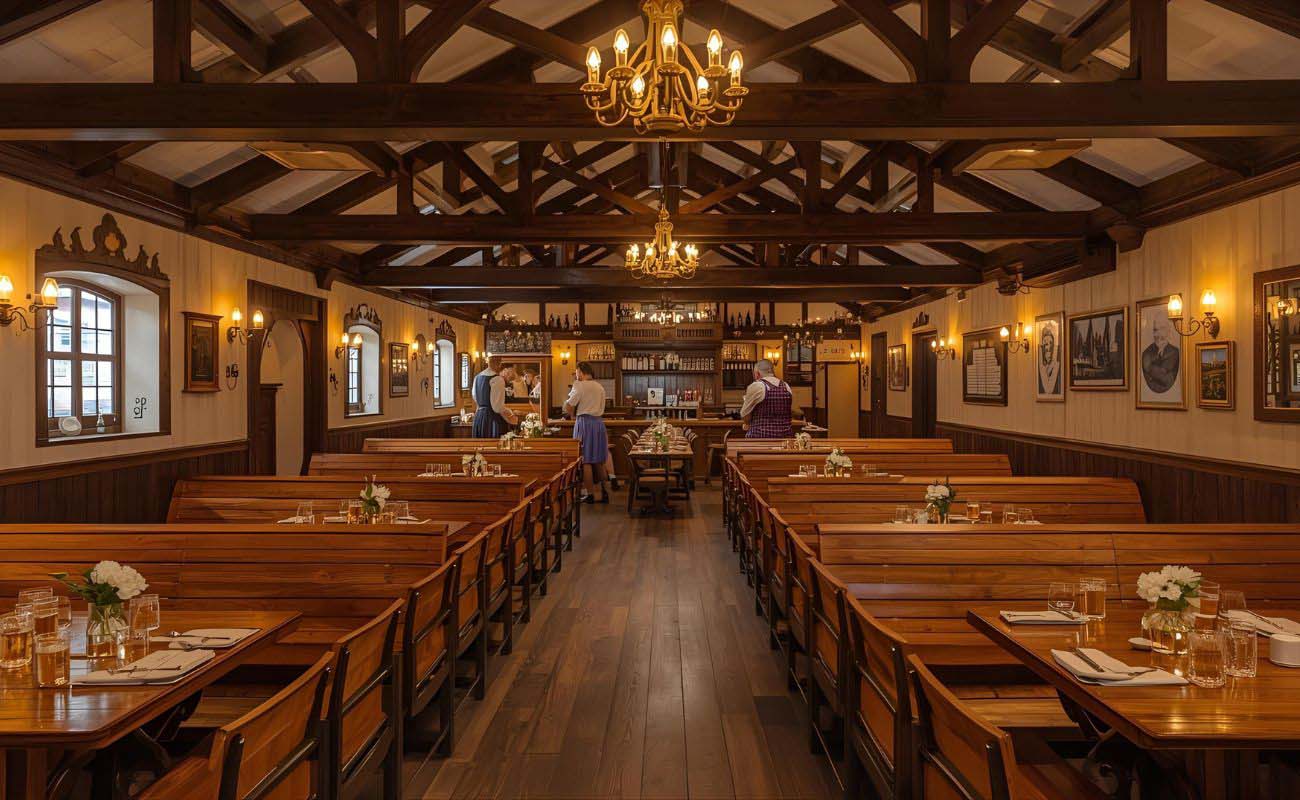
The famous Hofbräuhaus in Munich exemplifies this continuing tradition, operating since 1589 as one of the world’s most renowned beer halls. German bar maids here and at similar establishments across Bavaria carry forward centuries of hospitality practices that emphasize gemütlichkeit, the uniquely German concept of warmth, friendliness, and comfortable conviviality.
Traditional beer gardens represent another distinctive element of Bavarian culture where German beer ladies bring fresh brews to guests seated beneath ancient chestnut trees. These outdoor establishments follow customs dating back centuries, originally designed to keep beer cool in underground cellars while customers enjoyed refreshments in the shade above. The women who serve in these establishments maintain traditions connecting modern celebrations to deep cultural roots.
What to Know Before Visiting Oktoberfest Beer Festival
For travelers planning to experience authentic German beer culture firsthand, understanding proper etiquette and expectations enhances the celebration significantly. The Oktoberfest beer festival runs annually from mid-September through the first Sunday of October, with dates chosen to provide better weather than the original October timing allowed.
Arriving without traditional attire remains perfectly acceptable, as no official dress code exists for festival attendance. However, increasing numbers of visitors choose to embrace Bavarian fashion by wearing Dirndls and Lederhosen, making the festival atmosphere more authentic and immersive. Rental services throughout Munich offer costume options, including costume beer wench outfits for those who prefer not to purchase traditional garments.
Tipping customs at Oktoberfest follow typical German rather than American standards. Rather than calculating percentages, guests generally round up to convenient amounts when paying Oktoberfest beer maids for beer and food. Extremely generous tips are appreciated but not expected, and advance tipping to secure better service generally does not produce intended results in German service culture.
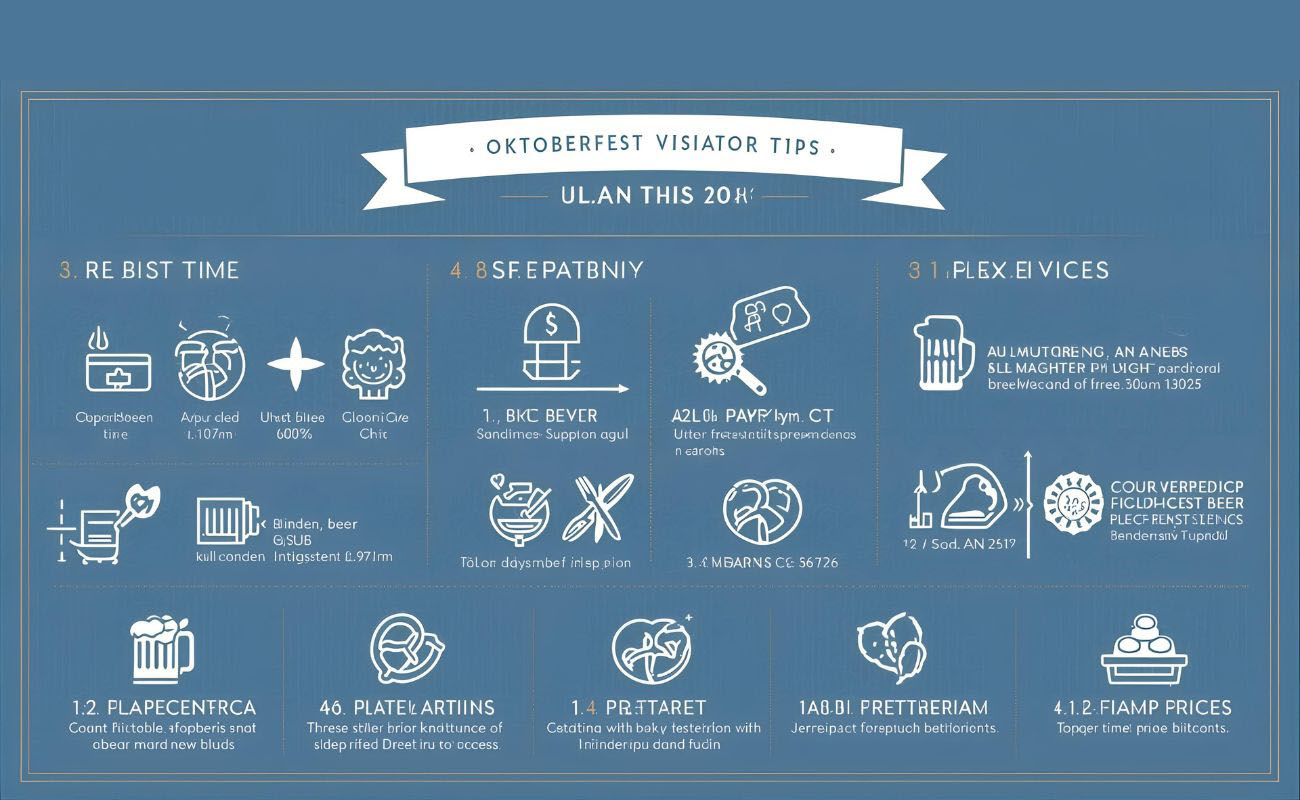
Essential Oktoberfest Visitor Tips:
- Best Time to Visit – Weekday afternoons for easier seating
- Reservation Requirement – Essential for evening tent seating
- Payment Method – Cash preferred, some tents accept cards
- Beer Pricing – Approximately €13-15 per one-liter mug
- Food Options – Traditional pretzels, sausages, roasted chicken
- Photography – Respectfully ask before photographing Oktoberfest women
The Cultural Significance of German Beer Maidens
The women who serve at Oktoberfest and throughout Bavarian beer culture represent far more than simple beverage delivery workers. They embody centuries of regional tradition, cultural pride, and hospitality excellence that define Bavarian identity on the world stage. Their presence connects modern celebrations to historical roots stretching back generations of dedicated German beer women.
By maintaining traditional dress customs, practicing time-honored service methods, and exemplifying Bavarian warmth and efficiency, these Oktoberfest beer maids keep cultural flames burning bright. Each waitress with her unique style of tying the Dirndl apron carries forward pieces of Bavarian heritage that might otherwise fade in our modern world of standardized international service.
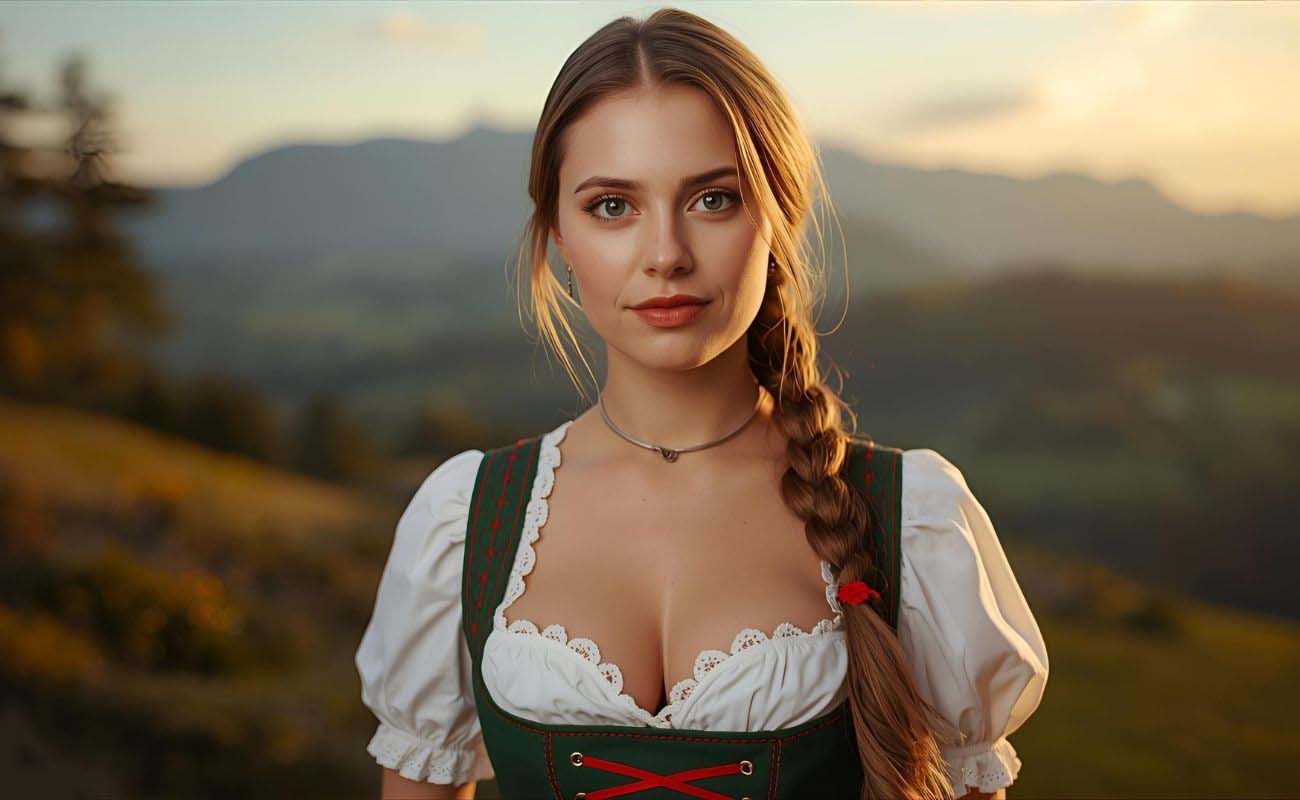
The international popularity of the German beer girl image, while somewhat simplified from authentic tradition, has helped spread appreciation for Bavarian culture globally. This visibility inspired countless Oktoberfest celebrations worldwide and introduced millions to German traditions they might never otherwise discover. The Oktoberfest beer wenches themselves deserve recognition not as mere symbols but as skilled professionals maintaining living cultural traditions while serving as unofficial Oktoberfest mascot figures.
Modern Challenges and Evolution of the Profession
Today’s Oktoberfest barmaids face unique challenges balancing traditional expectations with modern workplace realities. While the romantic image of the German beer maiden persists in popular culture, the actual profession demands serious athletic conditioning, business acumen, and exceptional interpersonal skills that go far beyond simply looking festive in traditional dress.
Many experienced Oktoberfest beer maids prepare for the festival season with physical training programs designed to build the strength and endurance required for carrying heavy mugs throughout extended shifts. Some veterans of the profession have served for decades, developing loyal customer followings who specifically request their sections year after year.
The profession also faces ongoing discussions about workplace conditions, compensation structures, and the balance between maintaining traditional atmosphere and ensuring fair treatment for workers. These German beer ladies navigate complex dynamics while representing Bavarian culture to millions of international visitors who may have limited understanding of authentic traditions versus tourist expectations.
Conclusion: Celebrating Authentic German Beer Culture
So what is a German beer girl called? The authentic answer is Kellnerin or Wiesn Kellnerin, professional waitresses who exemplify Bavarian hospitality while wearing traditional Dirndl attire that communicates cultural identity and personal status through centuries-old customs. While tourists may use casual terms like beer maiden, German beer maid, beer wench, or Biermädel, understanding proper terminology shows respect for the rich cultural heritage these remarkable Oktoberfest women represent.
Whether you experience the Oktoberfest beer festival in Munich or attend local German festivals in your community, appreciating the skill, tradition, and cultural significance behind these iconic servers enhances your celebration immeasurably. These German beer women work extraordinarily hard to create memorable experiences for millions of visitors annually while keeping Bavarian traditions alive for future generations to enjoy.
The next time you raise a mug at any German celebration, take a moment to appreciate the Oktoberfest barmaid who delivered it. She represents centuries of tradition, demonstrates remarkable physical endurance, and embodies the warm hospitality that makes Bavarian beer culture beloved worldwide. Prost!
When is Oktoberfest held?
The Oktoberfest beer festival runs annually from mid-September to the first Sunday of October in Munich, Germany.
What are Oktoberfest entertainers?
Oktoberfest entertainers include brass bands, Schuhplattler folk dancers, singers, and performers who create the festival’s traditional Bavarian atmosphere.
How many beer mugs can an Oktoberfest waitress carry?
Skilled Oktoberfest beer maids carry 6 to 10 full beer mugs at once, weighing up to 30 kg (66 lbs) total.
How much do Oktoberfest beer maids earn?
Oktoberfest beer maids earn €5,000 to €16,000 during the festival through 10% commission on sales plus tips.
What do Oktoberfest waitresses wear?
Oktoberfest beer maids wear traditional Dirndl dress, consisting of a fitted bodice, white blouse, full skirt, and decorative apron with a meaningful bow placement.
