

How to Wear Lederhosen: The Complete Style Guide for Authentic Bavarian Dress

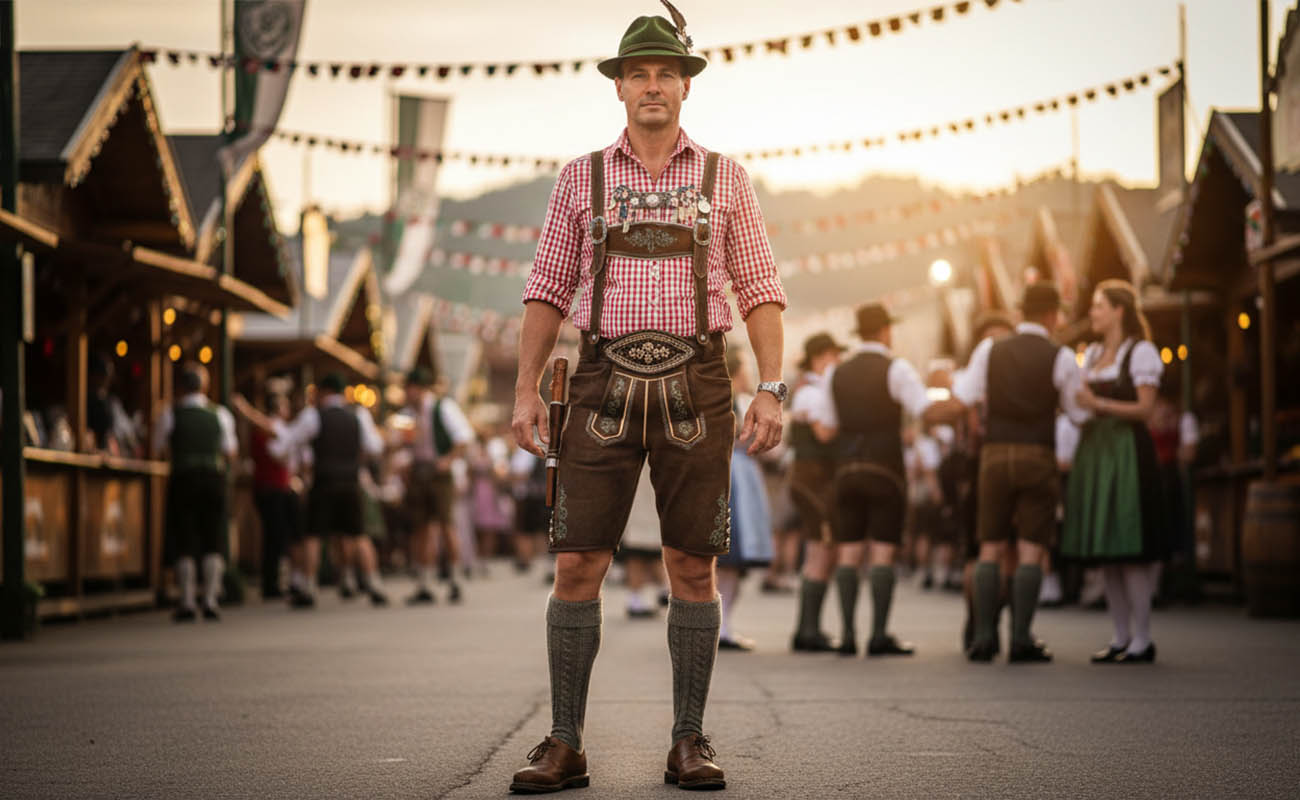
Wearing authentic Bavarian attire requires more than just putting on leather shorts. Understanding the traditional elements and proper styling techniques ensures you look respectful and stylish at any cultural celebration. This comprehensive guide covers everything from selecting the right fit to accessorizing your outfit for different occasions, helping you make the most of your traditional German wardrobe investment while honoring centuries of Alpine heritage.
The Rich History Behind Bavarian Leather Shorts
Traditional Bavarian clothing stretches back to the 18th century when Alpine workers wore durable leather garments for protection during heavy labor in harsh mountain conditions. These leather breeches originated from French culottes but were adapted by Bavarian and Austrian peasants who needed tough materials that could withstand rain, snow, and rough terrain. The tough leather material withstood challenging conditions while providing flexibility for movement in mountainous terrain where fabric pants would quickly wear out.
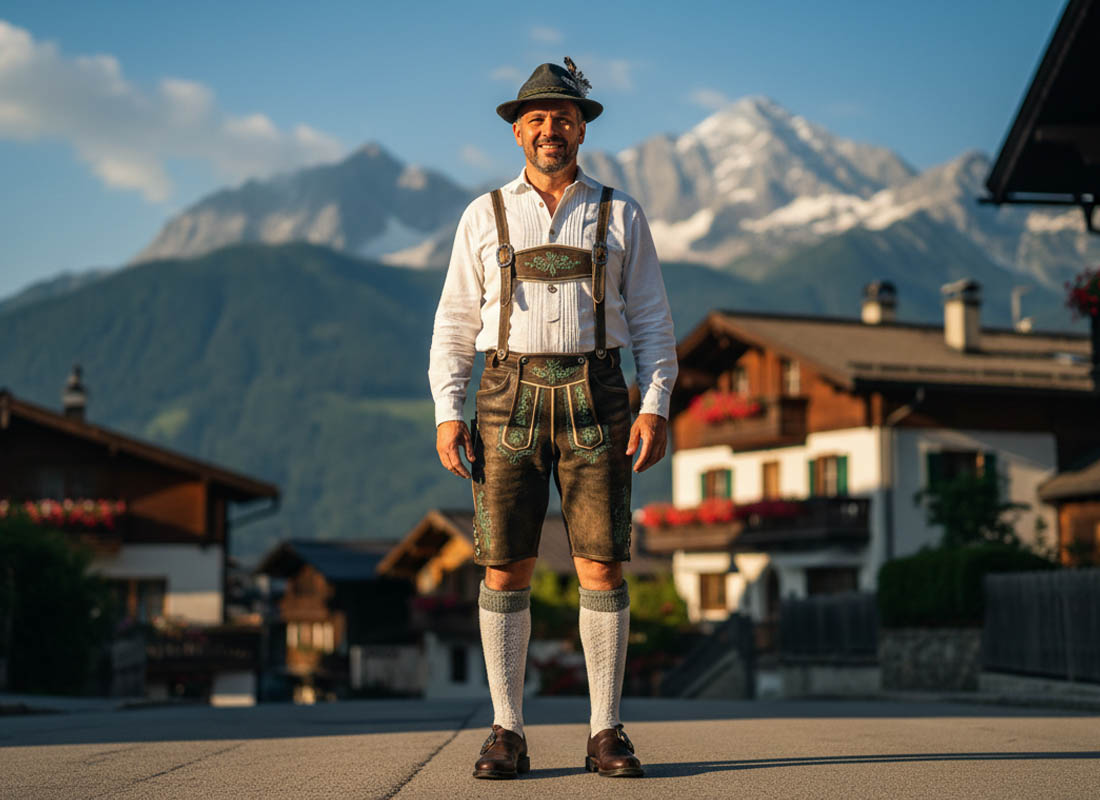
During the 1644 dress code implemented by Prince-Elector Maximilian the First, these garments became associated with working-class Bavarians, solidifying their cultural identity. By the 1880s, preservation societies across Munich and southern Germany sparked a cultural revival that transformed these practical work clothes into symbols of regional pride. The first major public showcase occurred at the royal wedding celebration of Crown Prince Ludwig and Princess Therese in 1810, marking the beginning of what would become the famous Munich festival. This event introduced the upper classes to traditional attire, and wealthy Bavarians began commissioning premium versions made from soft deerskin for hunting and riding.
These traditional shorts come in two primary styles that serve different purposes and climates. The shorter version called Lederhosen ends just above the knee, ideal for warmer weather and casual gatherings where comfort and mobility are essential. The knee-length version known as Kniebundhosen provides more coverage and suits formal events or cooler temperatures when additional warmth becomes necessary for all-day festival participation. Both styles feature distinctive embroidery patterns that reflect Bavarian heritage through Alpine motifs like deer representing hunting traditions, edelweiss flowers symbolizing mountain beauty, and oak leaves signifying strength and endurance meticulously stitched into the leather by skilled craftspeople.
Understanding Leather Quality and Material Choices
Authentic pieces are crafted from genuine leather sourced from goat, deer, or cowhide through traditional tanning methods. The leather quality directly impacts comfort, longevity, and how quickly the garment molds to your body, making material selection crucial for long-term satisfaction and investment value. Premium deerskin offers exceptional softness and flexibility, conforming quickly to your body shape while remaining breathable during warm festival days when temperatures can reach uncomfortable levels. This material was historically reserved for wealthy Bavarians and remains the most expensive option today, prized for its buttery texture and elegant appearance.
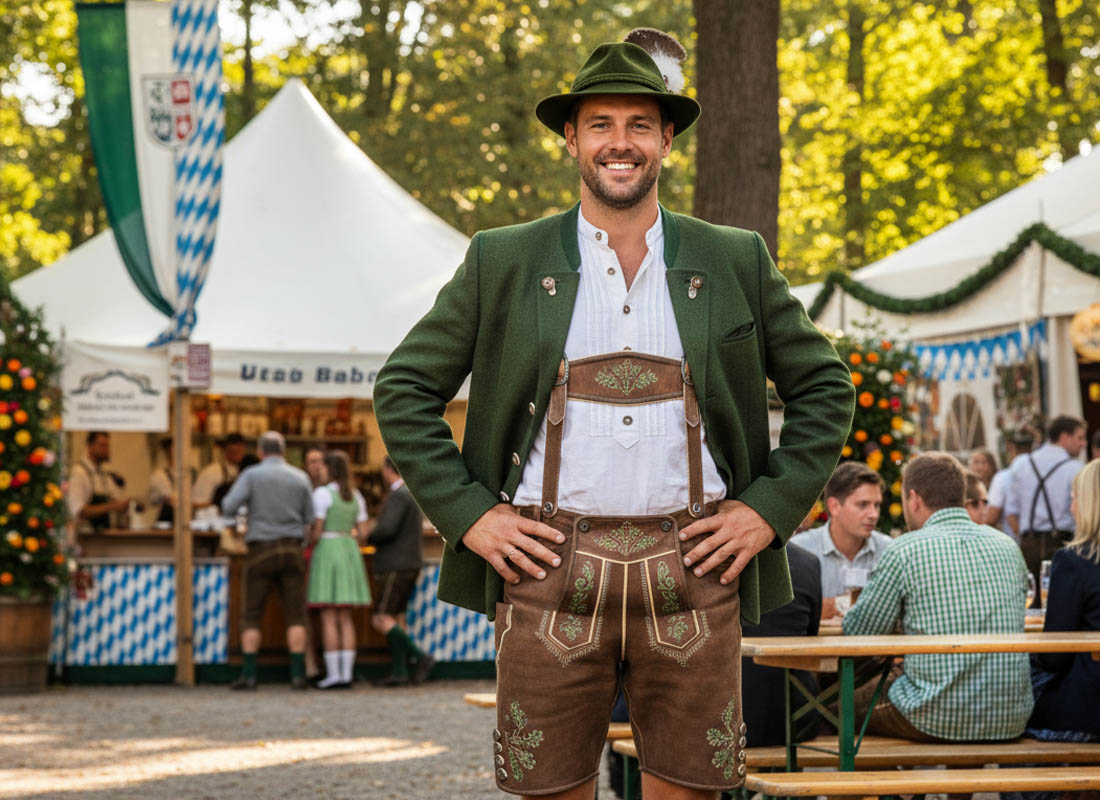
Cowhide provides excellent durability at a moderate price point, making it the most popular choice among first-time buyers who want quality without premium pricing. This leather can handle rough treatment, beer spills, and years of festival wear without showing significant damage. Goatskin sits between these options, offering good durability with moderate softness that strikes a balance for those seeking both comfort and longevity. The leather naturally molds to your body shape over time through a process called “breaking in,” creating a personalized fit that improves with age and becomes more comfortable with each wearing as the fibers relax and stretch to accommodate your unique build.
Understanding leather grades helps you make informed purchasing decisions when shopping for authentic attire. Full-grain leather represents the highest quality, preserving the natural surface texture and developing beautiful patina over time as oils from your skin and environmental exposure create a rich, aged appearance. Top-grain leather undergoes light sanding to remove imperfections, offering a more uniform look at slightly lower cost while maintaining durability. Split leather comes from the inner layers and provides an economical option, though it lacks the character and longevity of full-grain materials and may require replacement after several seasons of active use.
Choosing the Perfect Size and Fit for Your Body Type
Proper sizing forms the foundation of a well-styled outfit that feels comfortable throughout long festival days filled with dancing, eating, and celebrating. These leather shorts should fit snugly around your waist and hips without feeling restrictive or causing discomfort when sitting or moving actively throughout the day. The waistband sits at your natural waistline where your body naturally bends, not lower on the hips like modern casual pants, maintaining the traditional silhouette that has defined this garment for generations and ensuring proper proportions with your shirt and accessories.
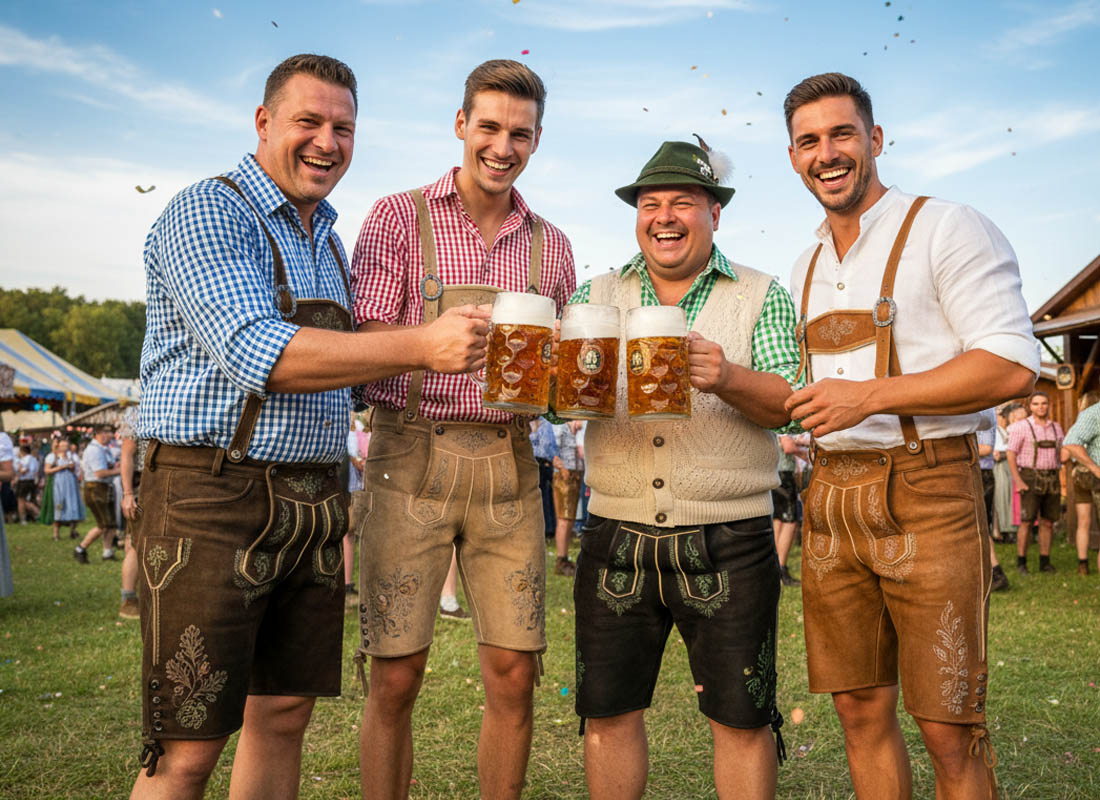
Body Type Considerations for Optimal Fit
Slim and Athletic Builds: Men with narrow waists and lean legs should choose snug-fitting designs with shorter lengths to avoid excess fabric that creates unflattering bulges. Look for slim-fit or tailored options that emphasize your natural physique. Side lacing features allow you to cinch the waist for a clean silhouette that doesn’t gap or bunch. Athletic builds benefit from moderate embroidery details like subtle edelweiss patterns or decorative horn buttons that add personality without overwhelming your frame. Earthy brown tones suit athletic builds particularly well, though experimenting with lighter tan shades can highlight muscle definition effectively during outdoor daytime events.
Stocky and Broad Builds: Men with wider waists, broader shoulders, or thicker legs need relaxed-fit variations with higher waistlines to accommodate their midsection comfortably without pinching. Choose designs with simple cuts that don’t add visual volume to your frame through excessive embroidery or decorative elements. Adjustable suspenders are essential features that enhance fit and offer increased comfort by distributing weight across your shoulders rather than relying solely on waistband pressure. Longer knee-length styles create better proportions for broader frames, balancing your silhouette and providing adequate coverage. Look for brands offering plus-size or big-and-tall options specifically designed for larger body types.
Tall Individuals: Height creates unique challenges with length and proportion that standard sizes don’t always address. Standard lengths may ride too high, exposing excessive thigh and creating an awkward appearance. Choose brands offering long or tall options with extended inseams that provide proper coverage. The waist should sit at your natural hip level rather than lower to maintain balance and prevent sagging. Suspenders become especially important for tall builds to prevent the shorts from sliding down during active movement and dancing.
The leg length plays a crucial role in achieving an authentic appearance that respects cultural traditions and flatters your build. Short versions should end approximately three to four inches above your knee when standing naturally with relaxed posture, creating the classic Bavarian silhouette. Knee-length styles should sit just below the kneecap, covering the joint completely while allowing full range of motion for walking, sitting, and traditional dance steps. Wearing them too long creates an awkward silhouette that appears costume-like rather than authentic, while excessively short lengths can seem disrespectful at traditional German celebrations where locals take pride in accurate representation of their cultural heritage.
When trying on your outfit for the first time, expect a tight initial fit that may feel uncomfortable or even restrictive initially compared to modern stretch fabrics. The leather will stretch and relax with wear, conforming to your unique body shape over the course of several wearings through natural fiber relaxation. This breaking-in period typically lasts through your first three to five uses, with the material loosening approximately half an inch to one full inch around the waist and thighs. The thighs should feel fitted but allow full range of motion for walking, dancing, and sitting comfortably during extended festival participation that may last eight to ten hours. If you can easily pinch excess fabric around the thighs, you likely need a smaller size for proper authenticity and visual appeal.
Women have specific considerations when selecting their fit for optimal comfort and appearance in this traditionally male garment. Female versions are specially tailored to accommodate hips and provide a flattering silhouette that celebrates feminine curves while maintaining traditional styling elements and cultural respect. They can be worn at the natural waistline for a classic look that emphasizes the traditional silhouette, or positioned slightly lower on the hips for a contemporary style that appeals to younger participants seeking a modern interpretation. The key is maintaining a snug fit that accentuates your shape without restricting movement or causing discomfort during active festival participation including dancing, walking, and enjoying various activities.
Selecting the Perfect Shirt for Different Settings
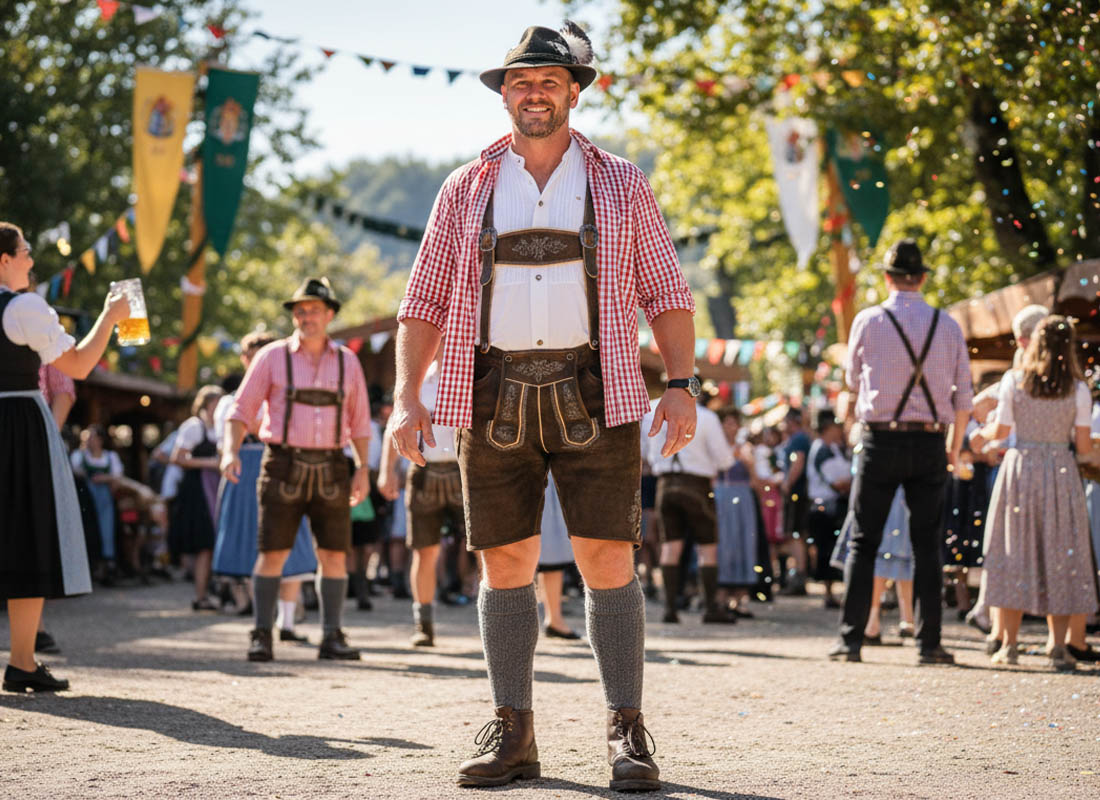
Traditional White Button-Up Shirts
The classic white linen or cotton shirt remains the most authentic choice for traditional events where cultural accuracy matters most and you want to demonstrate respect for Bavarian heritage. These shirts feature distinctive Bavarian details including horn or leather buttons that echo the natural materials of your leather shorts, stand-up or turnover collars that frame your face elegantly, and sometimes decorative embroidery on the placket that showcases regional patterns passed down through generations. The crisp white fabric creates a clean contrast against the darker leather tones, making your entire outfit appear more polished, intentional, and put-together while honoring centuries of tradition.
Many traditional shirts include a unique button placement on the upper sleeve near the elbow, allowing you to roll and secure the cuffs at your preferred length throughout the day as temperatures fluctuate. This practical feature keeps sleeves in place during active festival participation, dancing, eating, and raising beer steins without requiring constant adjustment or rolling them back down. Always tuck the shirt fully inside the shorts for a polished appearance that maintains the traditional silhouette and prevents the shirt from riding up or bunching during movement, which would create an unkempt appearance.
Checkered Patterns for Casual Style
Checkered shirts in red, blue, or green plaid patterns offer a more relaxed alternative while remaining culturally appropriate for most festival settings where strict formality isn’t required. These colorful options work exceptionally well for daytime beer garden visits, outdoor festivals, casual celebrations, and warm-weather events where you want a less formal but still traditional appearance. The checks add visual interest and can be coordinated with your partner’s outfit if attending together, creating a cohesive couple’s appearance that looks intentional and well-planned for photos and social gatherings.
Blue and white checks represent the official Bavarian state colors, making them particularly popular for Munich events and celebrations specifically honoring Bavarian culture and regional pride. Red checkered patterns provide warmth and energy to your look, complementing the earthy leather tones beautifully and creating a festive atmosphere perfect for celebration. Green checks suit outdoor settings and spring festivals wonderfully, evoking Alpine meadows and natural surroundings that connect to the traditional mountain origins. Choose colors that complement your leather tone rather than compete with it, ensuring all elements work together harmoniously and create a balanced visual impression.
Essential Footwear Choices That Complete Your Look

Traditional Haferlschuhe shoes represent the most authentic footwear option for those committed to complete cultural accuracy and respect for Bavarian traditions. These durable leather shoes feature thick soles that provide cushioning for long hours of standing, comfortable construction with supportive footbeds, and characteristic decorative tongues over the instep that create a distinctly Bavarian appearance instantly recognizable to locals. The sturdy design supports long hours of festival activities without causing foot fatigue, blisters, or discomfort even after eight to ten hours of continuous wear. Match the leather color of your shoes to your shorts for a cohesive appearance that demonstrates attention to detail and thoughtful outfit coordination.
For those seeking alternatives that balance comfort with tradition without compromising the overall aesthetic, several modern options work well across various settings. Classic leather loafers provide comfort and timeless elegance suitable for both casual and formal occasions, making them versatile choices for multiple events throughout the festival season. Ankle or mid-calf leather boots create a rugged aesthetic perfect for outdoor events, cooler weather when additional warmth and protection become necessary, and muddy or wet conditions where shoes might not provide adequate coverage. The boots also offer excellent ankle support for extended periods of activity, reducing fatigue during long festival days and providing stability on uneven terrain.
Footwear to Avoid for Cultural Respect
Never wear athletic shoes, sneakers, or running shoes with your traditional outfit regardless of comfort considerations or personal preference. These modern casual footwear choices clash dramatically with the heritage aesthetic and can even appear disrespectful at authentic Bavarian celebrations where locals take cultural traditions seriously and may view inappropriate footwear as mockery. Sandals also pose safety concerns in crowded festival environments where broken glass, spilled beer, or debris may be present on the ground, putting your feet at unnecessary risk of cuts or injuries. Canvas shoes, boat shoes, and modern fashion sneakers similarly fail to complement the leather aesthetic and should be avoided entirely to maintain the authentic traditional appearance that honors the cultural significance of the attire.
Mastering Suspenders and Traditional Belt Options
Leather suspenders have been integral to this attire for centuries, serving both essential functional purposes and decorative appeal. They keep the shorts properly positioned at your natural waistline while adding visual interest to your overall look through intricate embroidery and quality leather craftsmanship that showcases Bavarian artisan skills. Traditional suspenders attach to buttons located inside the waistband at the back and front of the shorts rather than using modern metal clips that would damage the leather. Cross the straps over your back in an X-pattern, bring them over your shoulders smoothly, and fasten them to the front buttons securely for positioning that won’t slip during active movement, dancing, or physical activities.
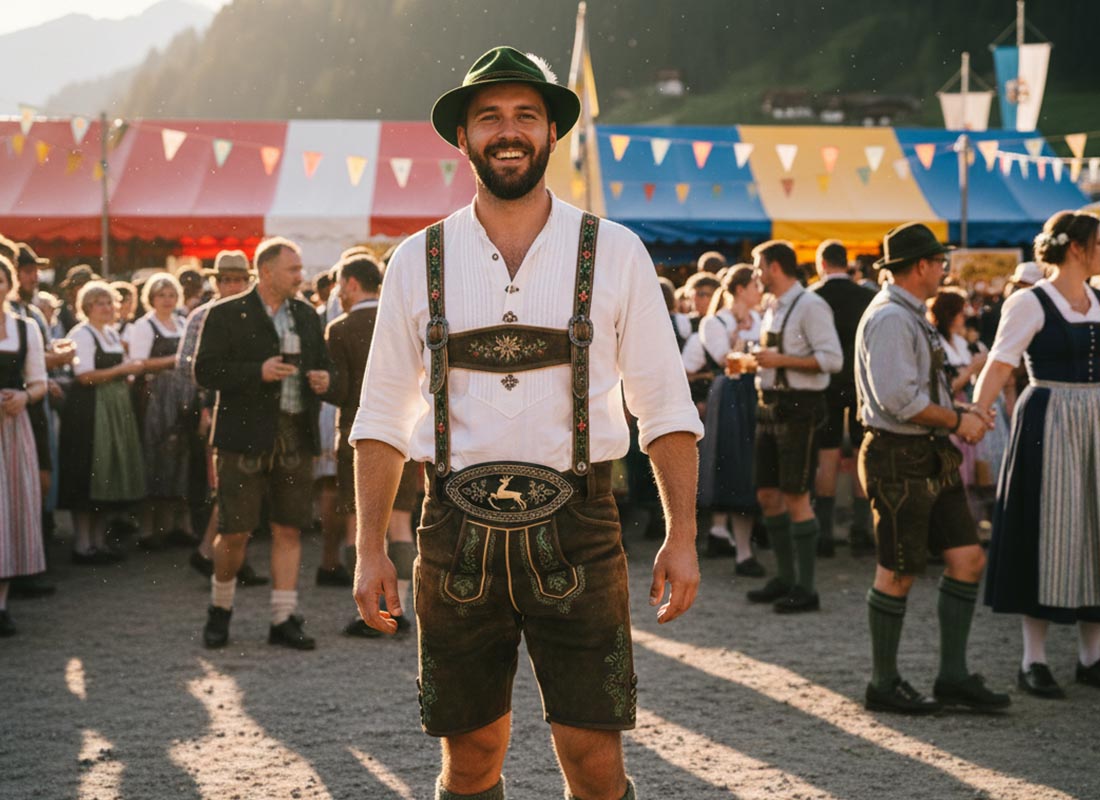
The embroidered chest plate on quality suspenders displays Bavarian motifs and craftsmanship that represent regional pride, cultural identity, and connection to Alpine heritage. This decorative element sits prominently on your chest, becoming a focal point of your outfit that draws attention, starts conversations, and demonstrates your commitment to authentic styling. Choose suspenders in colors that either match your leather tone for subtle coordination and understated elegance, or contrast it for visual interest and bold personal expression depending on your style preferences and the formality of the occasion. Dark brown suspenders with tan leather create sophisticated contrast that appears refined and intentional, while matching tones provide understated elegance perfect for formal settings where subtlety is appreciated.
As an alternative to suspenders, traditional leather belts with ornate metal buckles provide excellent support while changing the overall aesthetic slightly and offering a different traditional approach. The buckle should be wide enough to fill the belt loops completely, typically three to four inches in width, and feature Bavarian designs such as the state lion representing regional power, edelweiss flowers celebrating mountain beauty, or deer motifs honoring hunting traditions that celebrate regional symbols and cultural heritage. Bronze, brass, or silver buckles add metallic accents that catch light beautifully, draw attention to your waistline, and create visual interest through shine and reflection. Premium belts sometimes include personalized initial engravings on the buckle, making them treasured heirlooms that can be passed down through generations as family keepsakes connecting future descendants to their Bavarian roots.
Completing Your Look with Traditional Accessories
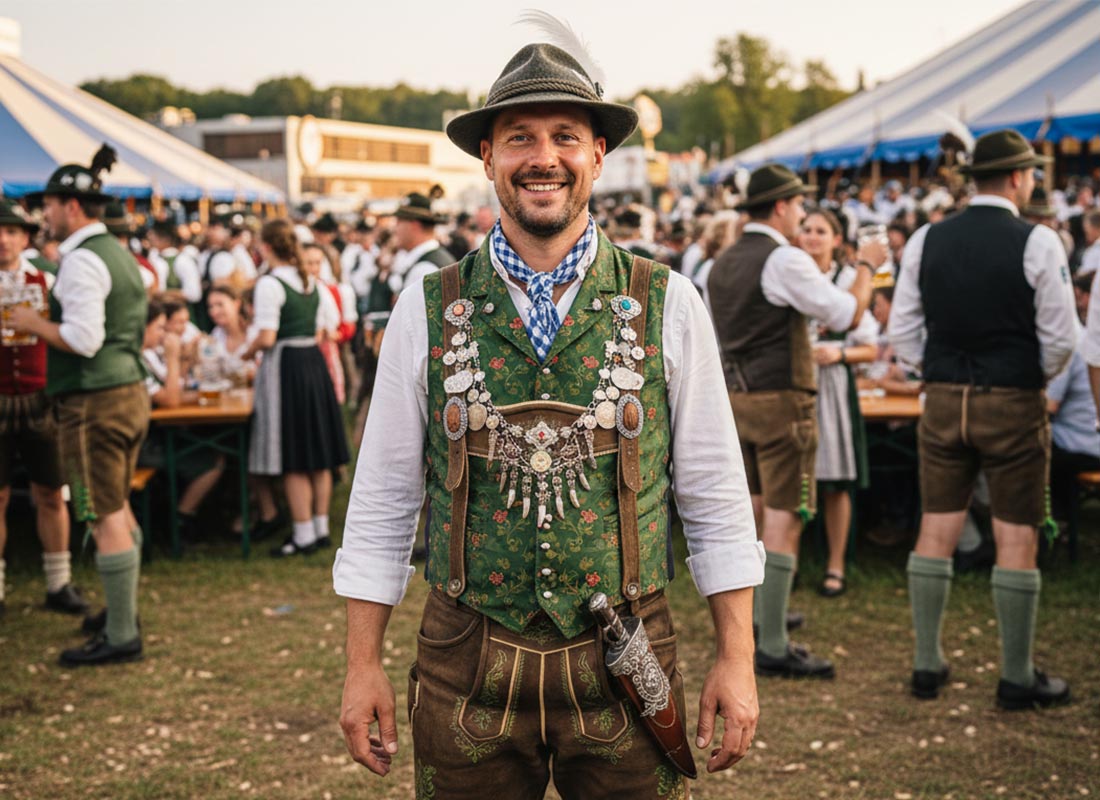
- Traditional Alpine Hats: Felt hats in gray, green, or brown with decorative feathers or Gamsbart tufts (made from chamois hair) add authentic Bavarian flair while protecting from sun exposure during outdoor festivals
- Charivari Chains: Silver decorative chains with coins, charms, and personal tokens hang across the front of your shorts, showcasing interests, achievements, and family history through meaningful symbols
- Knee-High Wool Socks: Cream or white wool socks with traditional geometric patterns complement knee-length styles, provide warmth, and complete the classic Bavarian silhouette
- Loferl Calf Warmers: Knitted bands worn just below the knee with short versions for a classic appearance without full sock coverage, ideal for warm weather
- Pocket Watches: Traditional timepieces on decorative chains add vintage charm and practical functionality while honoring historical traditions
- Decorative Knives: Small knives in leather sheaths attach to belts, representing Alpine heritage and mountain survival traditions
Styling for Different Occasions and Settings
Formal Bavarian Events and Weddings
For weddings, formal festivals, anniversary celebrations, or special dinners where cultural accuracy matters most, choose darker leather tones such as deep brown or black that convey sophistication, elegance, and respect for the occasion. Pair knee-length shorts with a traditional white linen shirt featuring decorative embroidery that showcases Bavarian craftsmanship and attention to detail. Add a high-quality wool vest or Janker jacket in complementary colors like forest green, charcoal grey, or burgundy to elevate the formality level and provide warmth in cool evening temperatures. Complete the formal look with polished Haferlschuhe, a traditional felt hat with tasteful feather decoration, and modest accessories that show respect for the ceremonial nature. Moderate embroidery on the leather provides character and visual interest without appearing overly casual or costume-like, striking the perfect balance between tradition and refinement.

Casual Festival Settings and Beer Gardens
Daytime beer garden visits, informal celebrations, friendly gatherings, and relaxed outdoor events call for a more comfortable approach that prioritizes ease while maintaining cultural respect and authentic styling. Short above-knee styles in medium brown leather work perfectly for warm weather when breathability becomes important for all-day comfort during active participation. Pair them with checkered short-sleeve shirts in light summer colors like sky blue, soft pink, or pale yellow that reflect the festive atmosphere and create a cheerful, approachable appearance. Skip the knee-high socks entirely or wear Loferl calf warmers for a breezy appearance that keeps you cool during active participation in games, dancing, and socializing. Simple leather suspenders without elaborate embroidery maintain the casual vibe while ensuring proper fit throughout the day as you move between activities and enjoy extended festival hours.
Modern Contemporary Style for Young Participants
Younger participants often prefer updated interpretations that honor tradition while embracing modern aesthetics, personal style preferences, and contemporary fashion sensibilities. Choose slim-cut designs with tapered legs and updated proportions that flatter athletic builds and appeal to contemporary tastes influenced by current fashion trends. Pair these with fitted solid-color shirts in performance fabrics that allow better mobility during dancing, active festival participation, and energetic celebration while wicking moisture for comfort. Modern leather sneakers or quality trail shoes replace traditional footwear for active festival participation, though this approach works better at international celebrations than traditional Bavarian events where locals expect more authentic choices. Skip heavy embroidery and ornate accessories to maintain a clean, streamlined appearance suitable for athletic builds and contemporary tastes that appreciate minimalist aesthetics.
What to Wear Underneath for Comfort
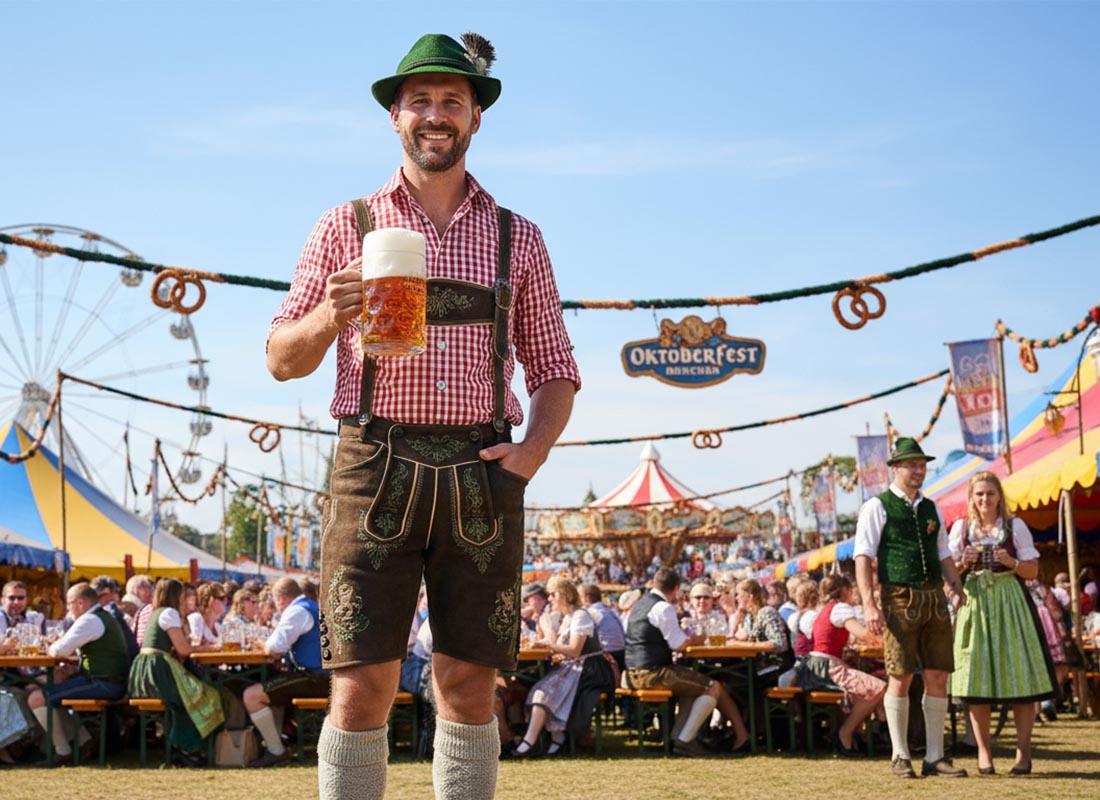
Many authentic pieces come with integrated shorts sewn inside the leather shell specifically designed for comfort and to prevent chafing against the leather during extended wear in hot weather. These internal shorts should fit snugly against your skin without bunching, riding up, or restricting movement when walking, dancing, or sitting for extended periods. If your outfit lacks integrated shorts, choose comfortable boxer briefs in neutral colors that match your skin tone to keep them completely hidden from view even when sitting, bending, or moving actively throughout festival activities and celebrations.
Some traditionalists and cultural purists prefer Bavarian undergarments called Trachtenunterwäsche specifically designed to complement the cultural outfit with appropriate coverage, traditional styling, and period-accurate construction. These traditional pieces enhance the overall aesthetic while providing appropriate coverage that prevents any embarrassing visibility issues or discomfort during active movement. However, modern undergarments work equally well provided they remain completely invisible beneath the leather, don’t create visible lines or bunching that ruins the smooth silhouette, and offer adequate support for all-day comfortable wear.
Important Style Guidelines and Cultural Respect
Traditional Color Choices
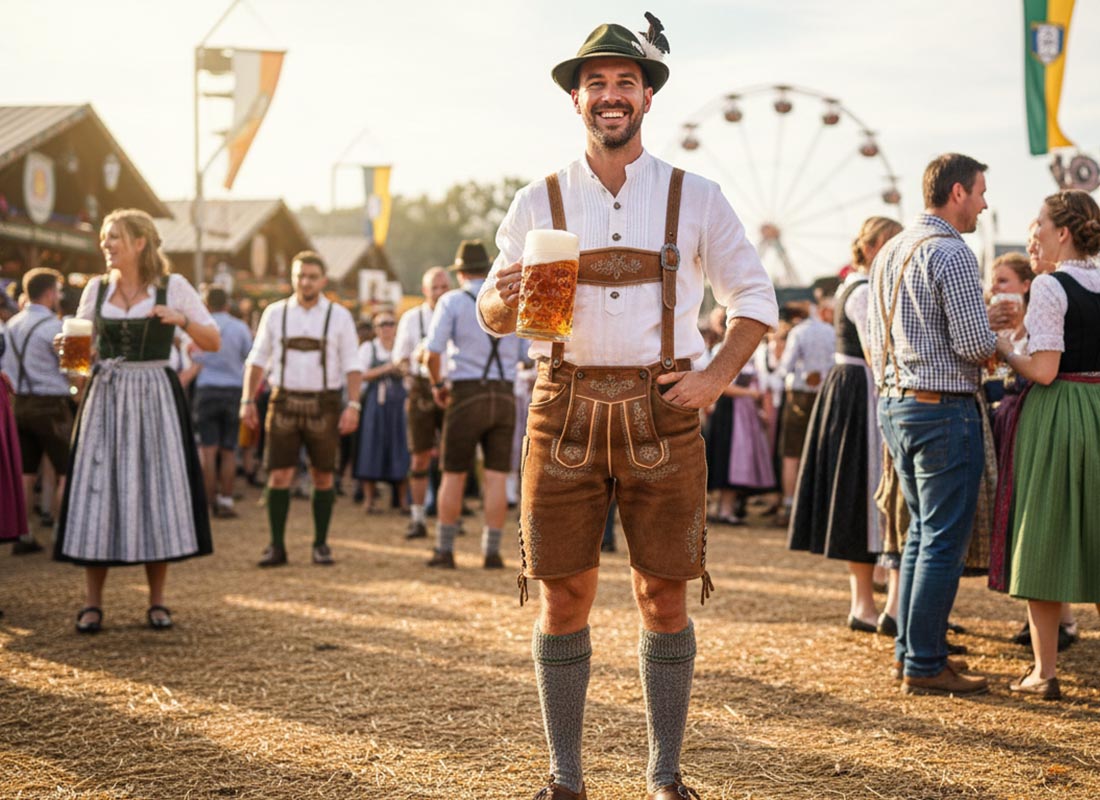
Traditional brown and black remain the most widely accepted colors for authentic events where cultural respect matters most and locals expect proper representation. These earthy tones reflect the historical origins and cultural significance of the garment, connecting modern wearers to centuries of Alpine tradition and working-class heritage. Avoid bright colors like red, blue, or purple leather which appear costume-like rather than authentic, may attract negative attention from locals at traditional German celebrations who take pride in authentic representation, and suggest you view the cultural attire as a novelty rather than respecting its historical significance.
Common Mistakes That Show Disrespect
Never wear casual t-shirts, graphic tees, or athletic shirts underneath your leather shorts regardless of comfort considerations or personal style preferences. The formal nature of traditional Bavarian attire calls for proper button-up shirts even in casual settings where relaxed atmosphere prevails, maintaining the dignified appearance that honors cultural heritage. Avoid wearing them with soccer jerseys, novelty printed shirts, costume accessories, or Halloween costume pieces that trivialize the cultural significance and reduce centuries of tradition to mere entertainment. These choices disrespect the cultural heritage and make you stand out negatively at authentic events where locals expect respectful participation and genuine cultural appreciation rather than mockery.
Never purchase cheap synthetic versions marketed as costume wear for Halloween parties, theme events, or theatrical productions. These inferior products lack the quality, comfort, breathability, and cultural authenticity that define genuine Bavarian attire worn by locals for generations with pride. Investing in authentic leather ensures durability that lasts decades, proper fit that improves with age, and respectful representation of the tradition that honors the culture appropriately while supporting traditional craftspeople who maintain these centuries-old skills.
Professional Cleaning and Long-Term Maintenance
Proper maintenance extends the life of your leather garment for decades, making it a worthwhile investment that provides value over many years and can even become a family heirloom passed to future generations. Never wash your garment in a washing machine as this will ruin the leather permanently, causing it to become stiff, brittle, cracked, and discolored beyond repair. Brush off dirt and debris with a soft natural-bristle brush after each wearing to prevent buildup that could damage the leather over time through ground-in particles.
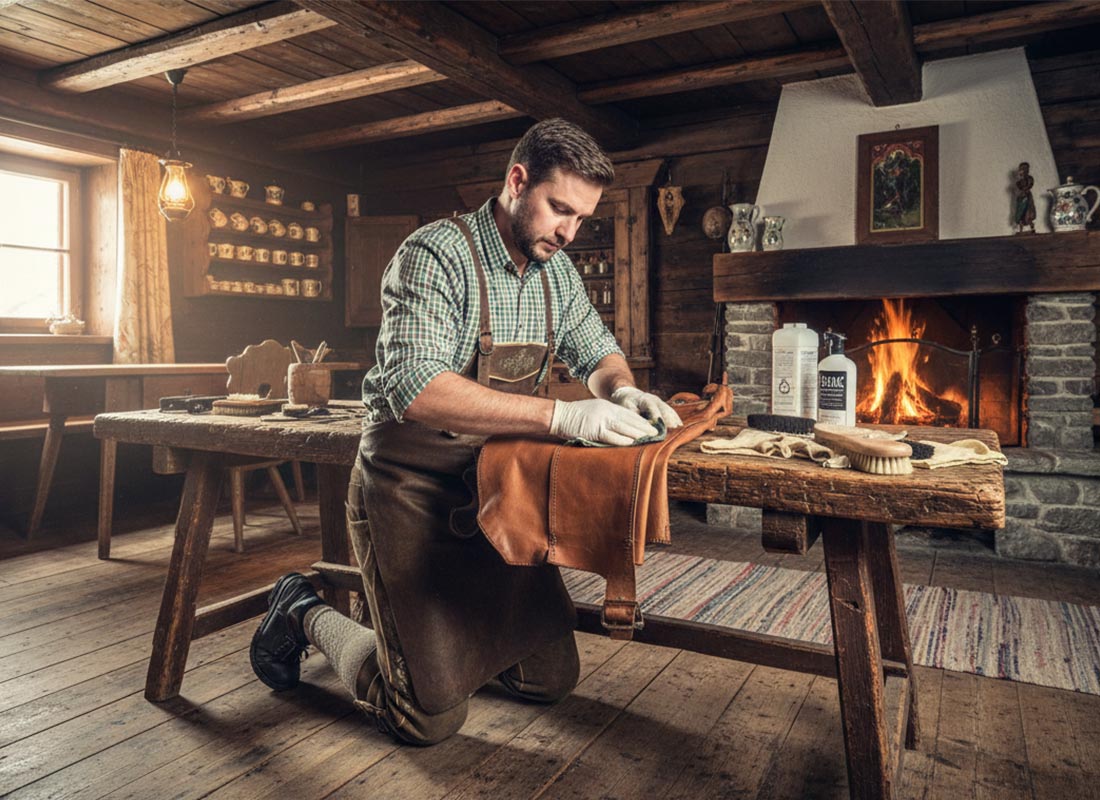
For surface stains from food or beer, use a damp cloth with mild saddle soap to gently spot-clean affected areas without saturating the leather with excess moisture. Allow the leather to air dry naturally away from direct heat sources like radiators, hair dryers, or direct sunlight if it becomes damp from rain, perspiration, or cleaning, as heat causes permanent cracking, warping, and color fading. Apply leather conditioner or natural oils like jojoba or coconut oil annually to maintain suppleness, restore natural moisture, and prevent cracking that occurs when leather dries out completely from environmental exposure.
The traditional “patina” that develops over time represents authentic wear and should be embraced rather than removed through excessive cleaning. This shiny layer of natural oils creates character, tells the story of your adventures, and makes authentic pieces more valuable to collectors and cultural enthusiasts. Store your outfit on a padded hanger in a cool, dry location away from direct sunlight that can fade the color, weaken leather fibers, and cause deterioration, or lay flat if space allows to prevent creasing and maintain shape.
Small tears, loose embroidery stitches, or damaged decorative elements should be repaired promptly by a professional leather specialist who understands traditional Bavarian craftsmanship techniques, historical construction methods, and appropriate repair materials. Regular conditioning treatments help the leather continue molding to your body while maintaining its structural integrity throughout years of use and countless celebrations. For heavily soiled garments, seek professional dry cleaning services that specialize in leather rather than attempting deep cleaning yourself, as experts have the proper tools, chemicals, and experience to clean without causing damage.
Building Confidence in Your Traditional Outfit
Wearing traditional cultural attire for the first time can feel intimidating and uncomfortable, especially if you’re unfamiliar with Bavarian customs, attending your first major festival, or worried about looking like a tourist rather than a respectful participant. Remember that most festivals welcome respectful participation from people of all backgrounds who show genuine appreciation for the culture, honest interest in traditions, and willingness to engage authentically. Focus on authenticity in your choices rather than perfection, knowing that effort, respect, and genuine interest matter far more than flawless execution or complete cultural knowledge.
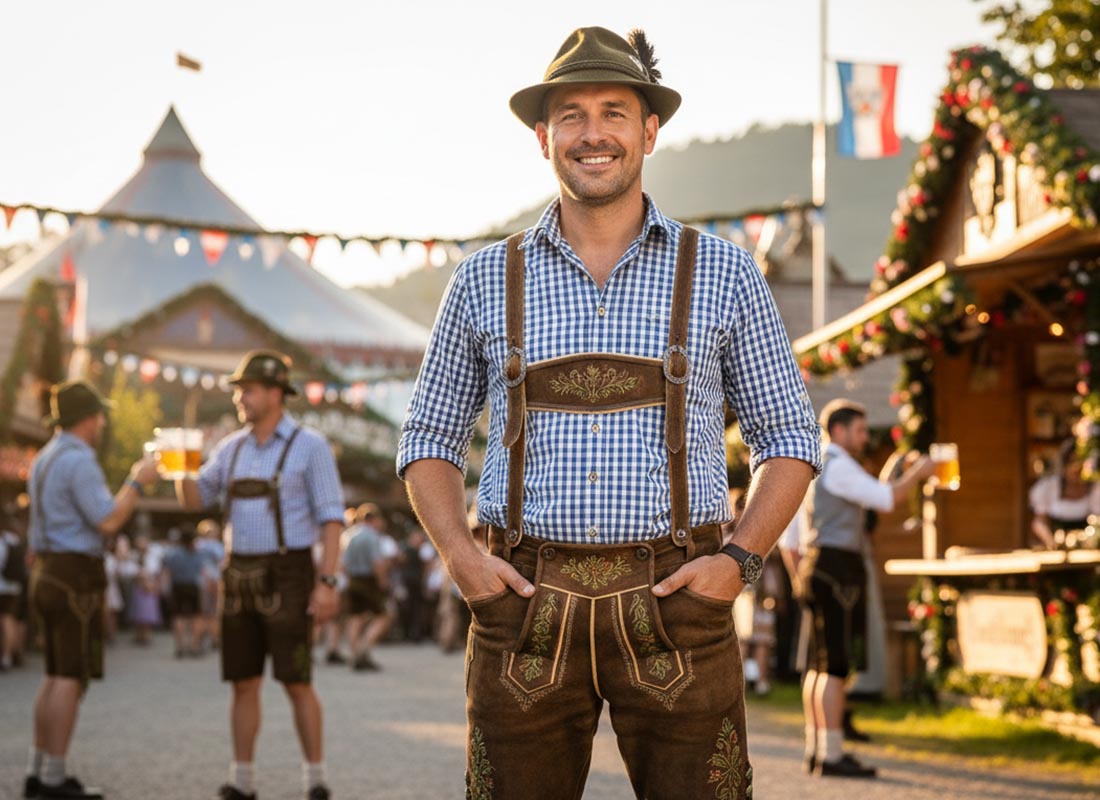
Confidence comes naturally when you know your outfit is assembled correctly according to traditional guidelines passed down through generations. Take time to adjust suspenders properly, ensure your shirt is neatly tucked without bunching or pulling, and verify that all buttons are fastened securely before leaving home for the event. Practice walking, sitting, dancing, and moving in your outfit before the actual event to become comfortable with the leather’s feel, movement restrictions that differ from modern casual clothing, and any adjustments needed for optimal comfort during extended wear.
Understanding the cultural significance of what you’re wearing enhances your overall experience, deepens your appreciation for the tradition, and helps you engage more meaningfully with locals and fellow participants. These garments represent centuries of Bavarian heritage, Alpine survival traditions, and working-class pride passed down through generations of families who maintain these customs. By wearing them respectfully with proper styling, genuine appreciation, and cultural awareness, you honor that history while creating memorable experiences at festivals and celebrations worldwide that connect you to something larger than yourself and link you to an ancient cultural legacy.
Frequently Asked Questions About Wearing Lederhosen
Can women wear lederhosen?
Yes, women can absolutely wear lederhosen. Many brands now offer female versions specifically tailored to accommodate hips and provide flattering fits. Women can also choose traditional dirndl dresses as an alternative Bavarian outfit.
How much should I spend on authentic lederhosen?
Genuine lederhosen typically start around $100 and can go up to $500 or more depending on leather quality, embroidery detail, and craftsmanship. Premium deerskin versions cost more than cowhide options. Avoid cheap synthetic versions under $50 as these are costume-quality.
Can I wash lederhosen in a washing machine?
Never wash lederhosen in a washing machine as this will permanently damage the leather. Instead, brush off dirt with a soft brush after each wear and spot-clean stains with damp cloth and mild saddle soap. For heavily soiled garments, take them to a professional leather cleaner.
Will lederhosen stretch over time?
Yes, authentic leather lederhosen will stretch approximately half an inch to one full inch after three to five wearings. They should feel snug initially and will gradually mold to your unique body shape. This breaking-in period is normal and expected.
Can I wear lederhosen casually or only for festivals?
Lederhosen can be worn for various occasions beyond Oktoberfest, including backyard barbecues, cultural events, themed parties, and casual outings. They’re versatile garments that work in many social settings when styled appropriately.
How should lederhosen fit when I first try them on?
Expect a tight initial fit around the waist and thighs. The waistband should sit at your natural waistline without gapping. You should be able to move, sit, and walk comfortably despite the snug feel. If you can pinch excess fabric around the thighs, size down.
