

Is Trachten Clothing Still Worn in Germany? A Complete Guide 2026

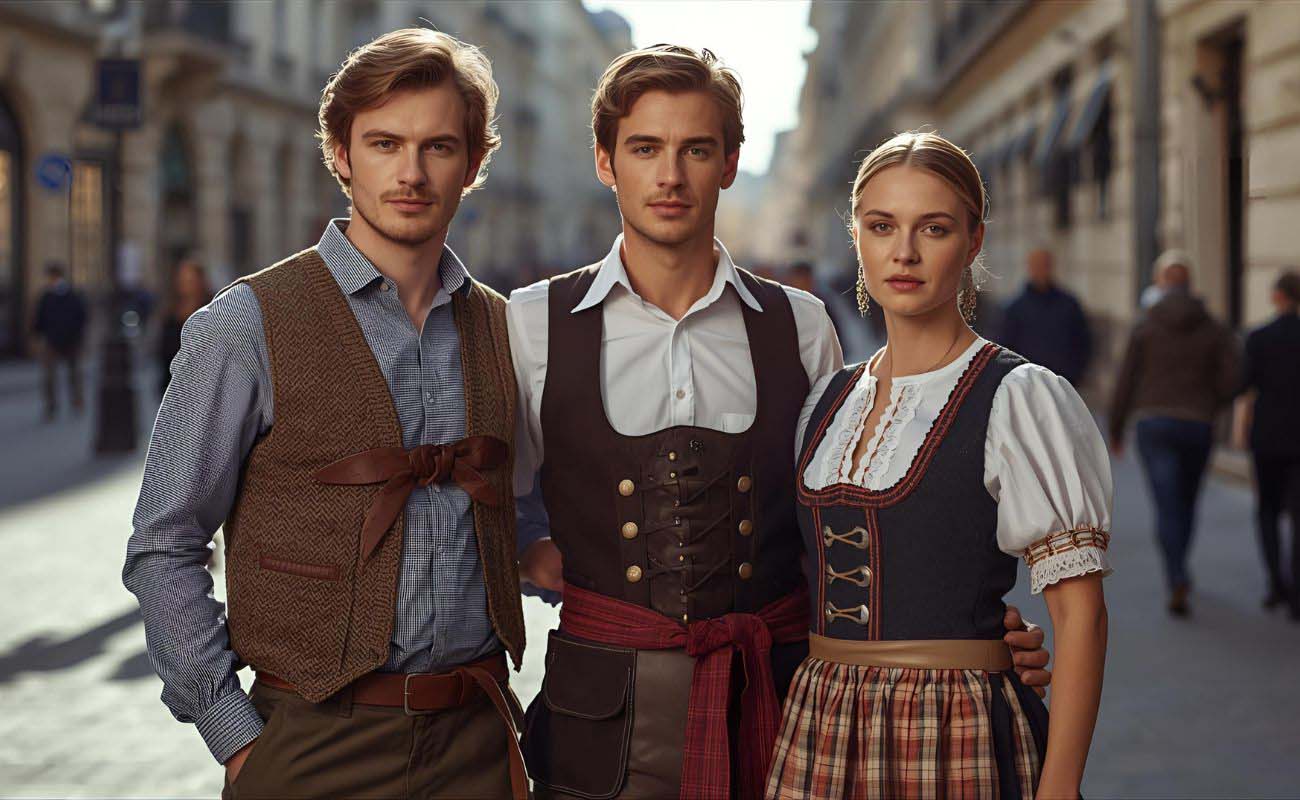
When people think of Germany, images of lederhosen-clad men and dirndl-wearing women often come to mind. But is traditional German clothing, known as Trachten, still worn in modern Germany? The answer might surprise you. Not only is Trachten still worn, but it has experienced a remarkable revival in recent years, becoming more popular than ever before. Young Germans are rediscovering their cultural roots, and traditional clothing has become a symbol of regional pride and heritage.
In this comprehensive guide, we’ll explore everything you need to know about German traditional clothing – from its historical origins to its modern-day significance. We’ll discover where it’s worn today, who wears it, and why young Germans are embracing this cultural heritage with renewed enthusiasm. Whether you’re planning to visit Germany, attend Oktoberfest, or simply curious about European traditions, this guide will answer all your questions about the fascinating world of Trachten.
What is Trachten? Understanding Traditional German Clothing
The Meaning of Trachten
Quick Facts About Trachten:
- Origin: German verb “tragen” (to wear/carry)
- Meaning: Traditional regional garments
- Regions: Germany, Austria, Switzerland, Italy
- Diversity: Each region has unique styles
- Purpose: Shows identity, status, heritage
Trachten comes from the German verb “tragen,” which means “to carry” or “to wear.” The term now refers specifically to traditional regional garments worn in German-speaking countries, including Germany, Austria, Switzerland, and parts of Italy. Unlike a single national costume, Germany has diverse regional Trachten styles that vary dramatically from north to south and east to west. Each region’s traditional clothing reflects its unique historical background, climate, geography, religious traditions, social customs, and occupational heritage.
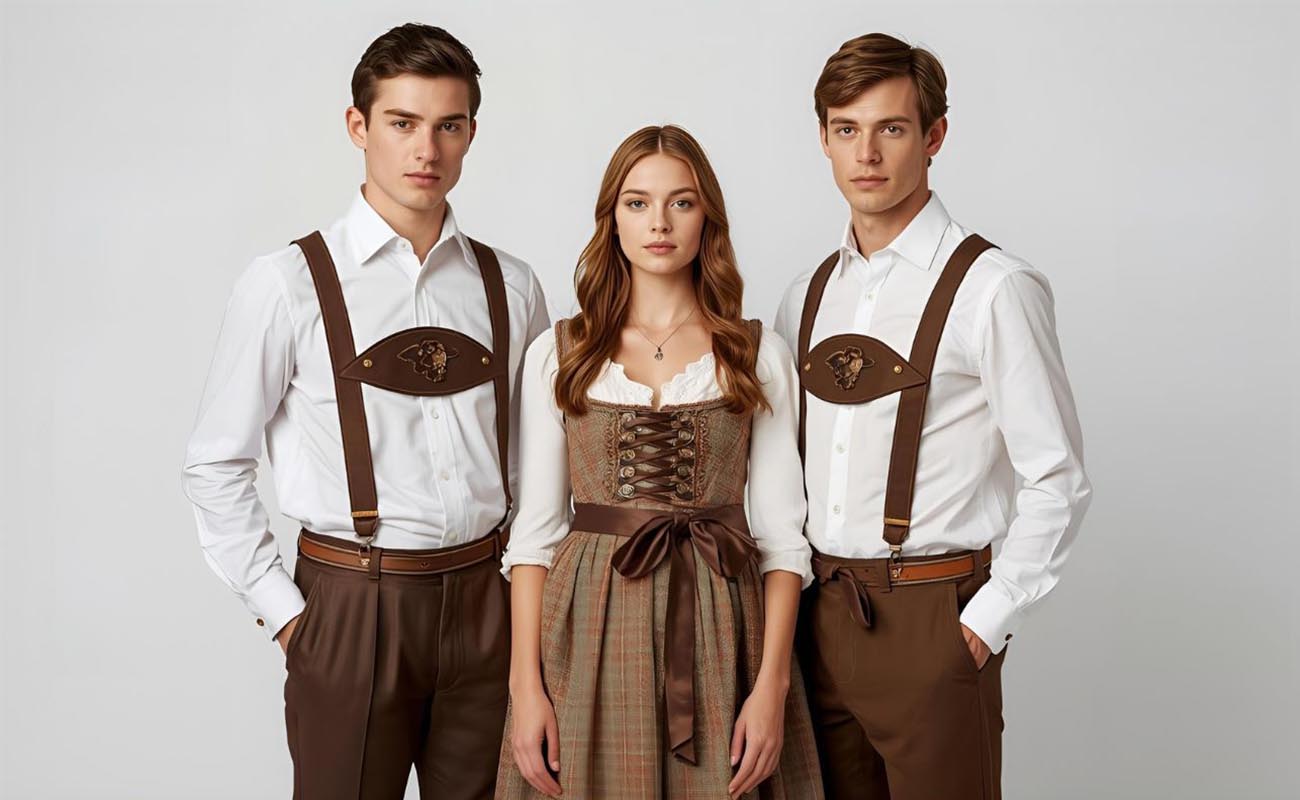
The beauty of Trachten lies in its diversity and regional authenticity. What people wear in Bavaria differs significantly from what’s traditional in the Black Forest, Swabia, or northern coastal regions. This variety represents Germany’s rich cultural tapestry, where each area maintained its distinct identity through clothing. Today, these regional differences are celebrated and preserved by cultural associations throughout the country. Understanding Trachten means appreciating that there’s no single “German costume” but rather a collection of regional traditions, each with its own story to tell.
Key Components of German Trachten
| Trachten Element | Description | Traditional Use | Modern Style |
|---|---|---|---|
| Dirndl (Women) | Close-fitting bodice, blouse, high-waisted skirt, apron | Peasant workwear, Sunday best | Festival wear, weddings, formal occasions |
| Lederhosen (Men) | Leather breeches (short or knee-length) | Agricultural labor, hunting | Oktoberfest, weddings, cultural events |
| Blouse | White/cream cotton with puffed sleeves | Everyday undergarment | Fashion statement, varies by neckline |
| Suspenders | Embroidered leather straps with chest piece | Functional garment support | Decorative focal point |
| Apron | Decorative fabric overlay on dirndl | Protection for dress | Status indicator (bow position) |
| Accessories | Hats, jewelry, shoes, socks | Regional identification | Personal style expression |
For Women: The Dirndl
A dirndl is a traditional dress consisting of a close-fitting bodice with a low neckline, a blouse worn under the bodice, a wide high-waisted skirt, and an apron. This iconic outfit originated among Alpine peasants between the 16th and 18th centuries but has evolved into a symbol of German cultural identity. The dirndl’s design is both practical and elegant, originally serving working women while also displaying craftsmanship through embroidery and fabric choices. Today’s dirndls range from historically accurate reproductions to modern fashion interpretations that maintain traditional elements while incorporating contemporary style.
The dirndl tells a story through its details – the fabric quality, embroidery patterns, and even how the apron is tied convey information about the wearer. Traditional dirndls were made from sturdy cotton, linen, or wool in colors that reflected regional preferences and social status. Modern versions experiment with silk, velvet, and synthetic blends, offering options for every budget and occasion. Whether attending Oktoberfest, a wedding, or a village festival, women can choose from mini, midi, or full-length dirndls to suit the formality of the event.
For Men: Lederhosen
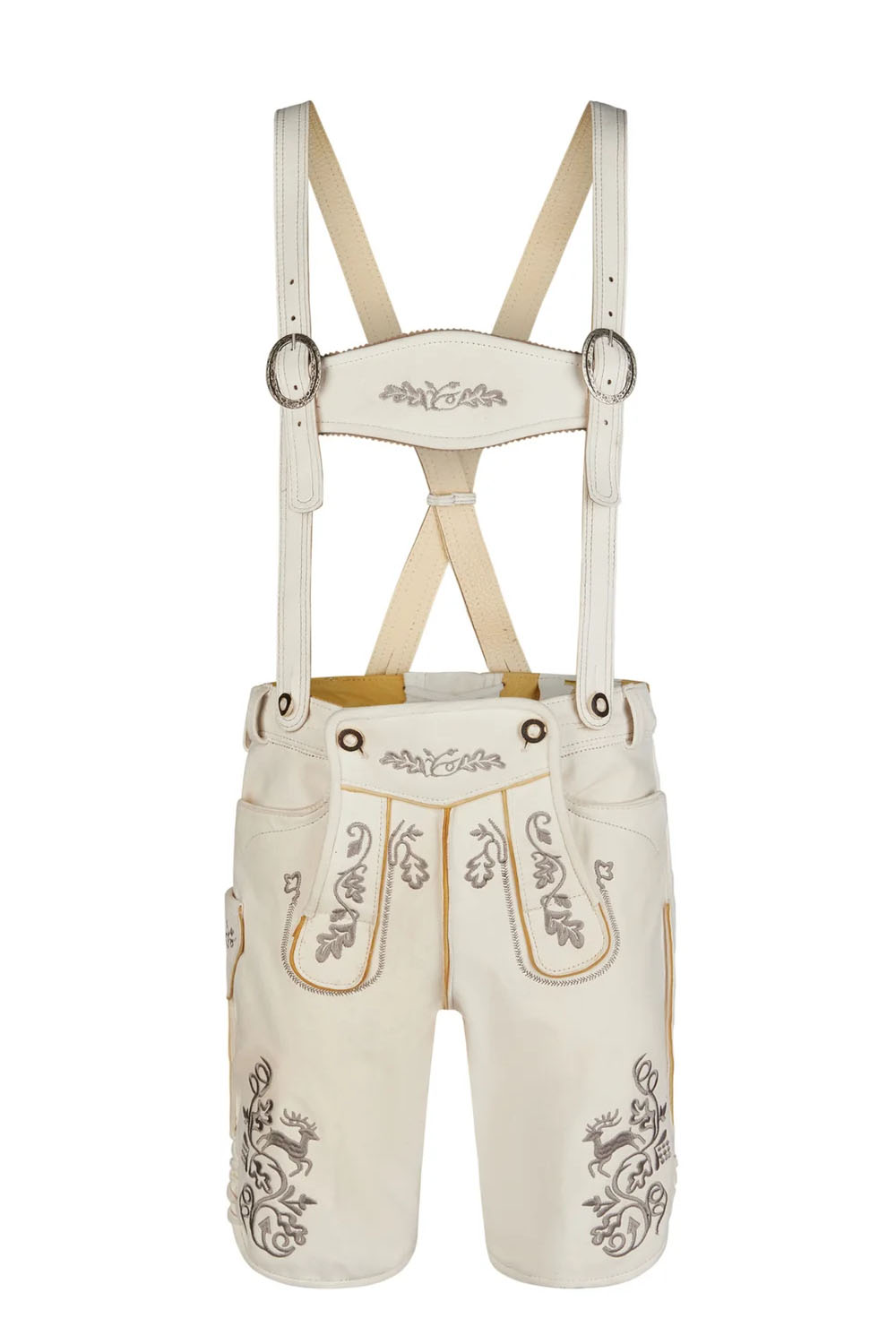
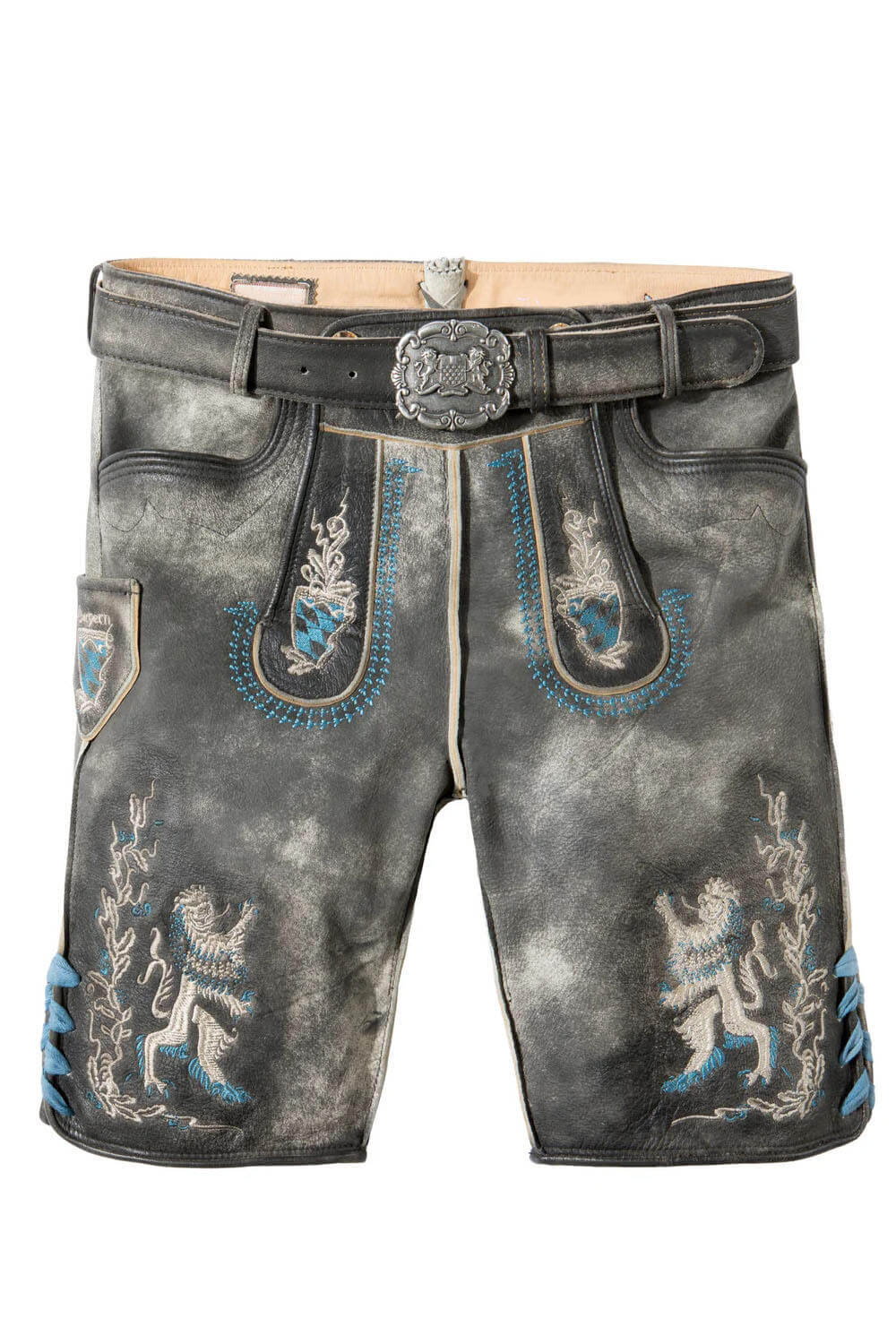
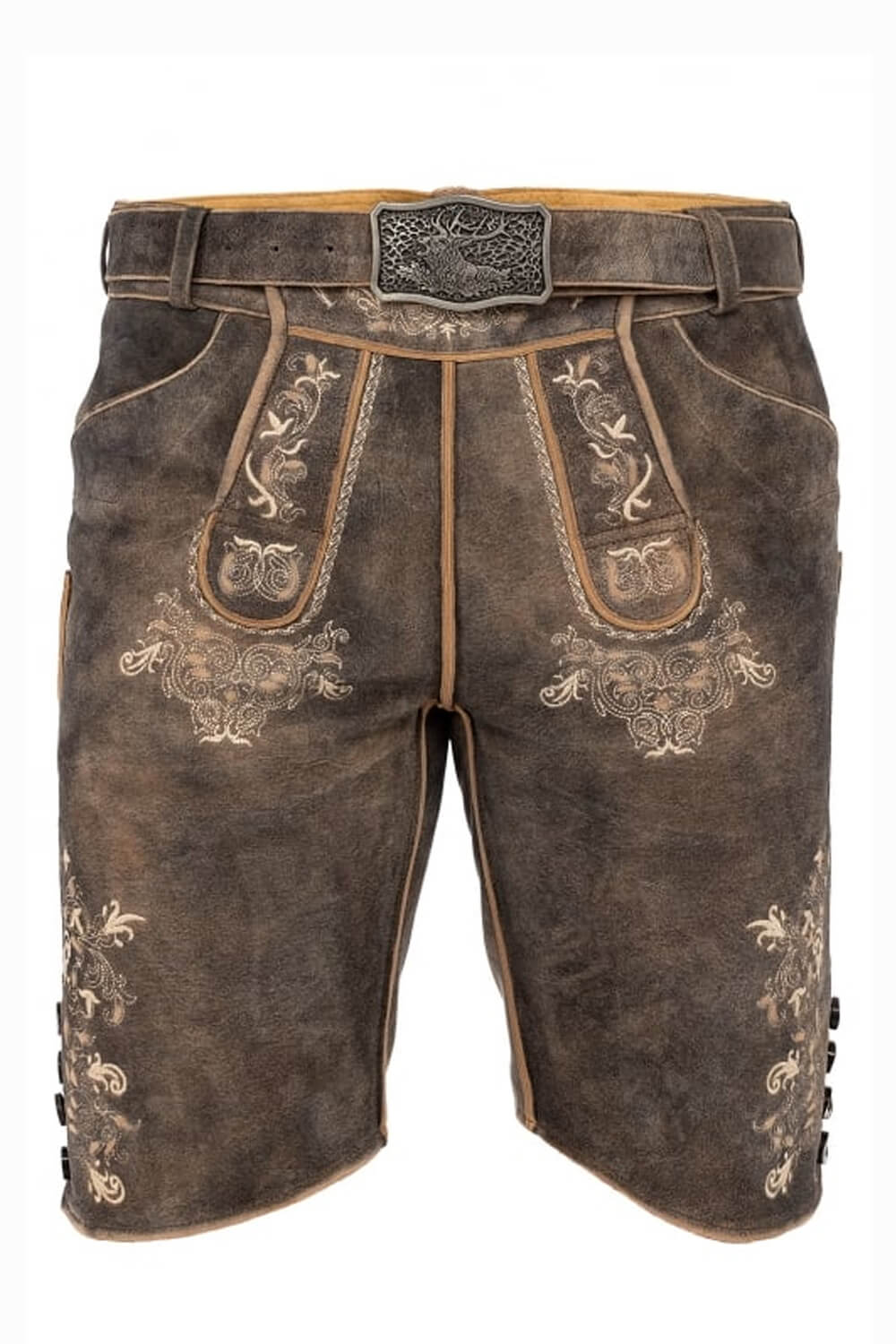
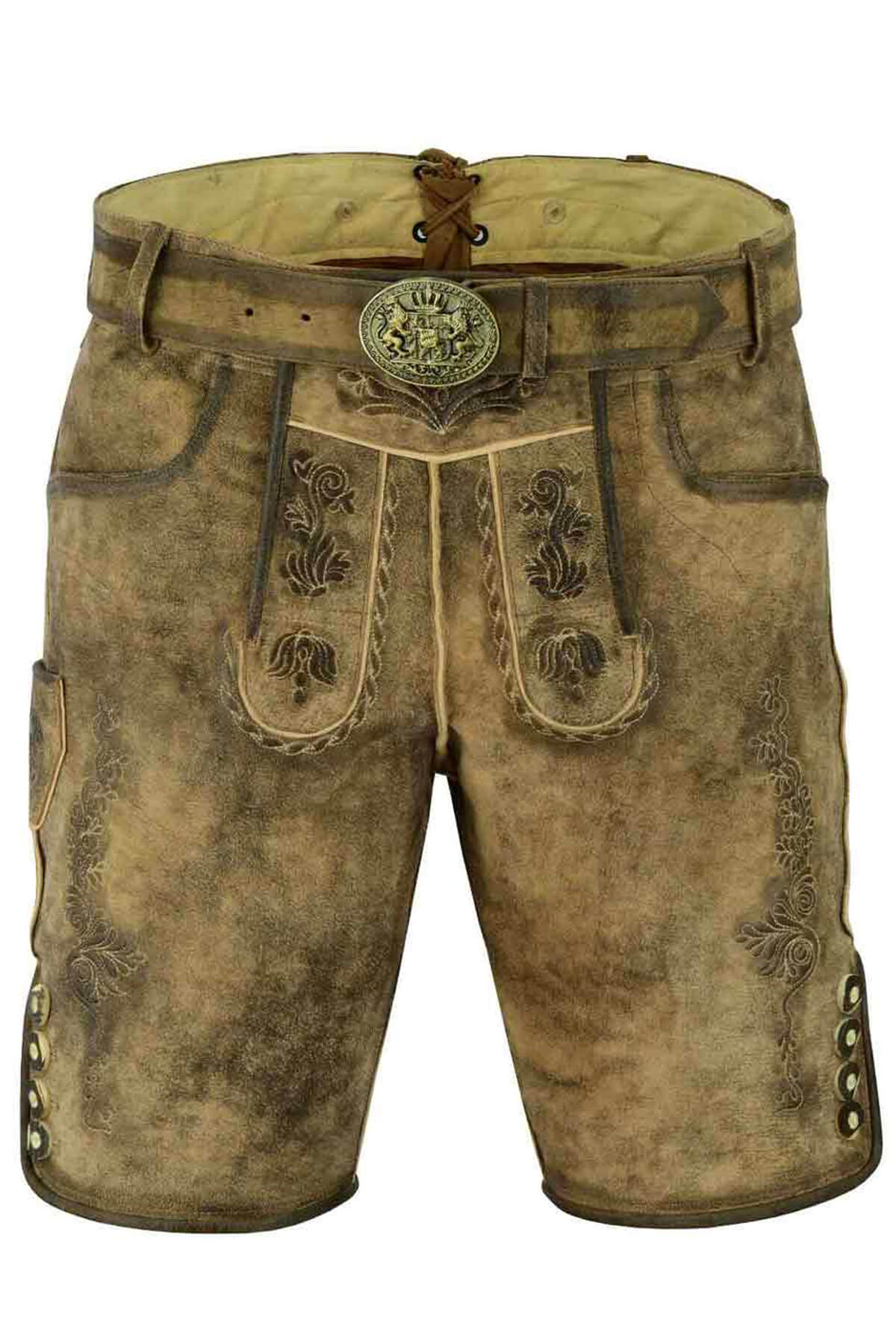
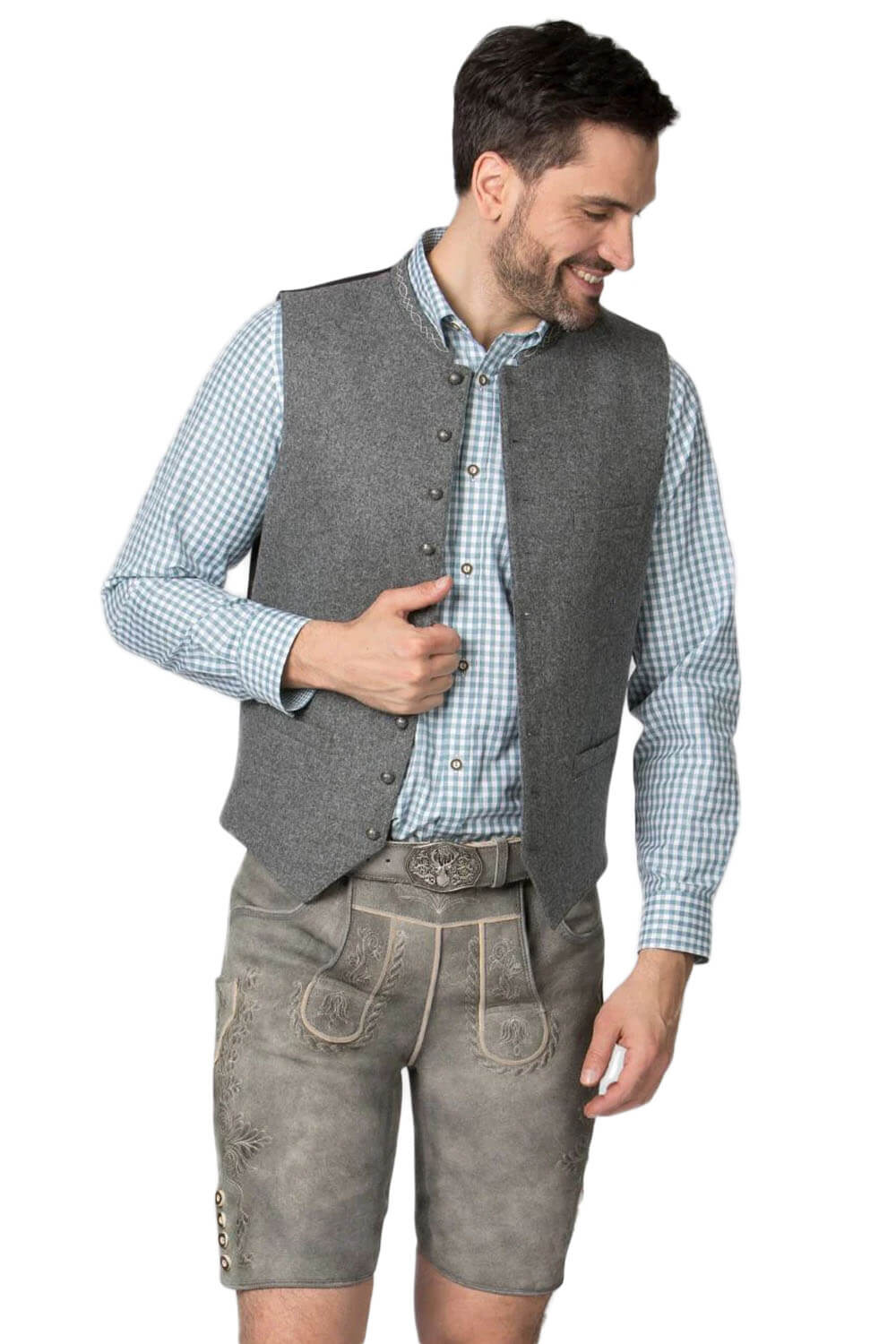
Lederhosen are traditional leather breeches worn by men in Southern Germany, specifically in Bavaria and Swabia, as well as Austria and South Tyrol. Originally designed for hard physical labor due to their durability, these leather trousers have become synonymous with Bavarian culture worldwide. The most common styles are short lederhosen ending above the knee and longer versions called Bundhosen that reach to or below the knee. Authentic lederhosen feature embroidered suspenders with a decorative chest piece, intricate embossing on the leather, and are typically made from deer, goat, or cowhide.
What makes lederhosen special is their ability to improve with age, developing a unique patina that tells the story of their wear. Unlike modern clothing that’s meant to look pristine, traditional lederhosen become more valuable as they age, with worn areas and natural discoloration adding character. Paired with a checkered or white linen shirt, embroidered suspenders, a Janker jacket, thick wool socks, and traditional Haferlschuhe shoes, lederhosen create a complete outfit that’s both practical and ceremonial. Modern versions come in various styles, from slim-fit designs for younger wearers to traditional cuts preferred by cultural purists.
The Historical Journey of German Traditional Clothing
Origins: 15th to 18th Century
Early Trachten Features:
- Time Period: 15th-18th Century
- Wearers: Farmers and rural workers
- Materials: Wool, linen, leather (locally available)
- Purpose: Practical workwear + status symbol
- Information Shown: Region, religion, marital status, occupation
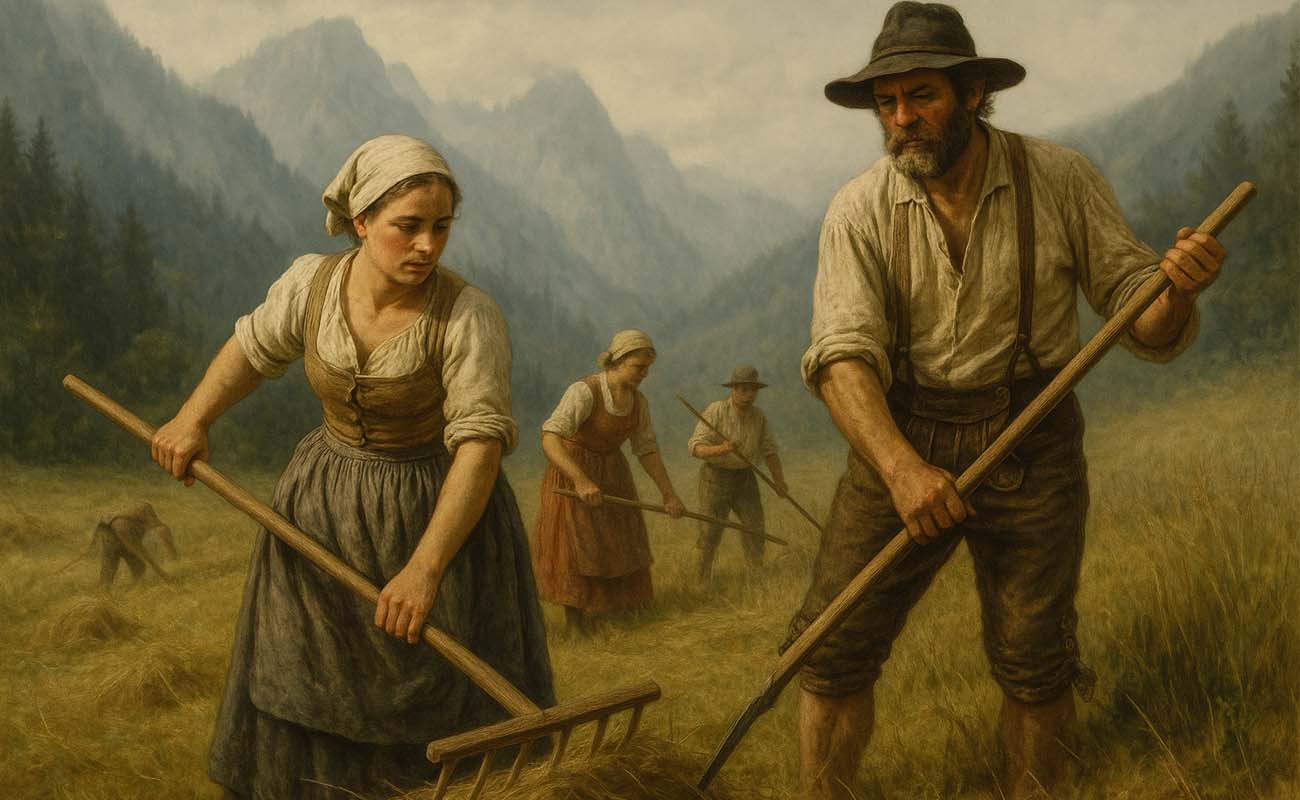
Traditional Trachten dress dates back to the 15th Century, developing from clothing worn by farmers and their wives in rural agricultural areas. These garments served practical purposes – they needed to withstand harsh working conditions while indicating the wearer’s regional origin, social status, religious affiliation, marital status, and professional occupation. The clothing was designed to be durable, comfortable for physical labor, and made from locally available materials like wool, linen, and leather. Each element had meaning, from the color of the fabric to the style of the hat or headpiece.
Different regions developed distinct styles based on their climate, economy, and cultural influences. For example, women in Hessen wore black Trachten with colorful appliqué, while Bavarian women wore dirndls with velour hats and fringed scarves. Men’s attire ranged from leather trousers in Bavaria to different styles in northern regions, where maritime influences created more practical, weather-resistant clothing. The diversity of regional Trachten reflected Germany’s political fragmentation into numerous kingdoms, principalities, and free cities, each maintaining its own cultural identity. This rich variety is what makes German traditional clothing so fascinating – it’s not one costume but hundreds of distinct regional styles.
The 19th Century: From Peasant Wear to Fashion Statement
The transformation of Trachten from workwear to cultural symbol began in the early 1800s, driven by romantic nationalism and nostalgia for rural life. The first extensive description of traditional tracht in different regions was given by Bavarian official Joseph von Hazzi (1768–1845), and a comprehensive description of Bavarian national costumes was published in 1830. These publications helped document and standardize regional styles that were beginning to disappear as industrialization changed German society. Urban dwellers became fascinated with rural traditions, seeing them as authentic expressions of German identity.
A pivotal moment came in 1810 with the first Oktoberfest, celebrating the wedding of Crown Prince Ludwig of Bavaria. This event helped establish Trachten as festive attire worthy of royal occasions, elevating it from peasant clothing to something that even nobility would wear. The aristocracy’s adoption of modified traditional clothing styles gave Trachten new prestige and helped ensure its survival. Throughout the 19th century, Trachten evolved from everyday rural wear into special occasion clothing, worn for festivals, weddings, church services, and other important events. This transition saved traditional clothing from extinction as modern fashion replaced regional styles in daily life.
The Preservation Movement
In 1859, the first association to promote traditional costume was founded in Miesbach in Bavaria, marking the beginning of organized Trachten preservation. These Trachtenvereine (folk costume associations) became crucial in preserving traditional clothing against the tide of modern fashion sweeping through Germany. They documented authentic designs, promoted their use at cultural events, and helped keep regional traditions alive through education and community activities. The associations established standards for what constituted authentic regional dress, preventing the dilution of traditional styles. Their work ensured that future generations would have access to historically accurate patterns and construction methods.
These preservation societies spread throughout Germany, with each region establishing its own associations to protect local traditions. They organized festivals, dance groups, and music ensembles where traditional clothing was required, creating contexts where Trachten remained relevant. Members researched historical garments in museums, interviewed elderly community members about traditional practices, and recreated patterns that had been lost. The Trachtenvereine also became social centers, connecting people who valued their cultural heritage and wanted to pass it on to their children. Today, hundreds of these associations continue their mission, adapting to modern times while maintaining their core purpose of preservation and education.
20th Century Challenges and Revival
The 20th century brought both challenges and opportunities for Trachten, testing its resilience and relevance. The 1930s saw political misuse of traditional dress, which tainted its image and created associations that many Germans wanted to forget after World War II. Post-war decades witnessed declining interest as Germany modernized rapidly and young people rejected anything that seemed backward-looking or nationalistic. Traditional clothing associations struggled to maintain membership, and many regional styles faced extinction as elderly wearers passed away without younger people to continue the tradition.
However, the 1960s and 1970s marked a turning point, with renewed appreciation for cultural heritage and growing interest in preserving regional identities. Environmental movements, concern about globalization, and a desire for authenticity drove young Germans to reconsider traditions their parents had rejected. Until the 1970s, most visitors to Oktoberfest did not wear traditional tracht; it was common to wear jeans and regular clothing. Since the late 1990s, dirndls and lederhosen have come to be regarded as almost obligatory wear at the festival, reflecting a dramatic cultural shift. This revival gained momentum in the 21st century, with Trachten becoming fashionable rather than old-fashioned, trendy rather than traditional, and cool rather than conservative.
Where is Trachten Worn in Germany Today?
Bavaria: The Heartland of German Traditional Clothing
Six Official Bavarian Tracht Styles:
- Miesbacher Tracht
- Werdenfelser Tracht
- Inntaler Tracht
- Chiemgauer Tracht
- Berchtesgadener Tracht
- Isarwinkler Tracht
Where You’ll See Trachten in Bavaria:
- ✓ Oktoberfest & Volksfests
- ✓ Traditional weddings
- ✓ Church festivals
- ✓ Village celebrations
- ✓ Beer gardens (staff)
- ✓ Tourism businesses
Bavaria remains the stronghold of Trachten culture, where traditional clothing maintains its strongest presence and deepest cultural significance. Currently, six official types of Alpine tracht are recognized in Bavaria: Miesbacher Tracht, Werdenfelser Tracht, Inntaler Tracht, Chiemgauer Tracht, Berchtesgadener Tracht, and Isarwinkler Tracht. Each style represents a distinct Alpine valley or region, with specific colors, patterns, and construction methods that identify the wearer’s home area. These differences might seem subtle to outsiders but are immediately recognizable to locals who take pride in their regional identity.
In Bavaria, you’ll find people wearing Trachten at Oktoberfest and other Volksfests, traditional weddings, church festivals and religious celebrations, local village festivals, family gatherings, beer gardens (especially by staff), and tourism-related businesses. The frequency varies by location – in rural Alpine communities, Trachten appears more regularly than in Munich’s urban center, though even city dwellers maintain festival outfits. Many Bavarian families own at least one set of traditional clothing, considering it essential formal wear comparable to a suit or evening dress. Children often receive their first dirndl or lederhosen for important occasions like First Communion, beginning a lifelong connection to traditional culture.
Black Forest Region
The Black Forest (Schwarzwald) in Baden-Württemberg has its own distinctive Trachten traditions that differ significantly from Bavarian styles. The most recognizable element is the Bollenhut – a wide-brimmed hat decorated with large pompoms, where unmarried women wear red pompoms and married women wear black ones. This iconic headpiece has become a symbol of the Black Forest region, though it was traditionally worn in only three communities: Gutach, Kirnbach, and Hornberg-Reichenbach. The rest of the costume features predominantly black dresses with red details, white blouses, and elaborate embroidery.
The Schwarzwälder Trachtenmuseum in Haslach displays over 100 traditional costumes, showcasing the remarkable variety of regional styles within just the Black Forest area. Each valley had its own variation, with differences in embroidery patterns, fabric choices, and accessory styles. Today, Black Forest Trachten is worn at regional festivals, weddings, and cultural events, though less frequently than Bavarian dress. The dramatic Bollenhut makes Black Forest traditional clothing instantly recognizable and popular with tourists, who often purchase miniature versions as souvenirs. Local pride in these distinctive traditions remains strong, with active preservation societies maintaining authentic construction methods and educating younger generations about proper wearing and care of traditional garments.
Other German Regions
While less common than in Bavaria or the Black Forest, traditional clothing exists throughout Germany, reflecting each region’s unique history and culture. Northern Germany features more practical, maritime-influenced designs with black and white color schemes, reflecting the Protestant influence and coastal climate. Hesse is known for black Trachten with colorful embroidery and appliqué work, particularly the elaborate Schwälmer Tracht with its distinctive red details and silver jewelry. Swabia features knee-length Bundhosen different from the short Bavarian style, paired with colorful vests and white linen shirts.
Eastern German regions like Saxony and Brandenburg maintain their own traditions, though these were less preserved during the GDR era when folk culture was sometimes politically controlled. The Sorbian minority in eastern Germany has particularly distinctive traditional clothing that remains part of their cultural identity. Northern coastal regions feature practical clothing influenced by fishing and maritime trades, with fewer decorative elements than southern Alpine styles. Each region’s Trachten reflects its economic base, religious traditions (Catholic areas tend toward more elaborate decoration than Protestant ones), and historical connections to neighboring regions. While you’re less likely to see these regional styles at modern festivals, they’re preserved in museums, cultural associations, and special heritage events.
Modern Usage: How Germans Wear Trachten Today
Not Everyday Wear, But Not Just Costumes Either
Germany has a modern and developed society where people wear jeans, t-shirts, and suits like the rest of the world – traditional Tracht like Bavarian Lederhosen is a cultural touchstone but not a practical daily wear choice. Walking through Munich or Hamburg, you won’t see crowds of people in dirndls and lederhosen heading to work or shopping. This is formal wear for special occasions, not everyday clothing. However, this doesn’t mean Trachten is merely a costume in the sense of something fake or theatrical.
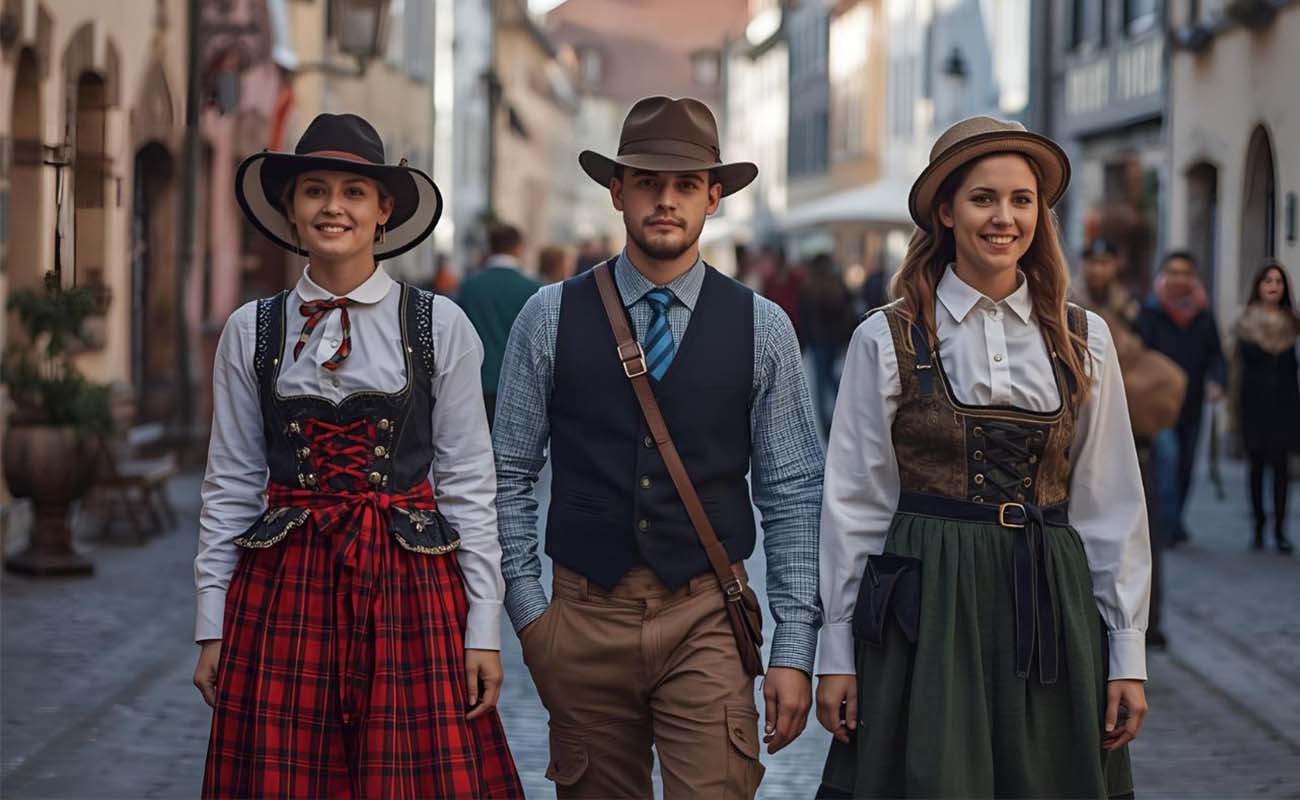
For many Germans, especially Bavarians, it’s formal wear for special occasions – similar to how people in other cultures wear traditional attire for weddings or religious ceremonies. A quality dirndl or lederhosen outfit represents a significant investment that families maintain for years or even generations. These aren’t Halloween costumes but genuine cultural garments with proper construction, authentic materials, and appropriate styling for specific events. The distinction matters because it reflects how seriously many Germans take their traditional clothing. When someone dons Trachten, they’re participating in living culture, not playing dress-up. This respectful approach to traditional clothing ensures its continued relevance and prevents it from becoming a caricature.
Popular Occasions for Wearing Trachten
1. Oktoberfest and Beer Festivals
Oktoberfest remains the world’s largest showcase for German traditional clothing, attracting over 6 million visitors annually from around the globe. Approximately 80% of attendees wear some form of Trachten, creating a spectacular sea of dirndls and lederhosen across Munich’s Theresienwiese. The festival atmosphere has made traditional clothing almost obligatory attire, with locals and tourists alike embracing the custom. This creates what’s called “Wiesntracht” – Oktoberfest-specific traditional clothing that tends to be more colorful, fashion-forward, and less historically strict than authentic regional dress. Many shops in Munich specialize in festival wear, offering everything from budget-friendly options to designer dirndls.
Beyond Munich’s Oktoberfest, numerous regional beer festivals throughout Bavaria and Baden-Württemberg feature traditional clothing, including the Cannstatter Volksfest in Stuttgart (actually larger than Oktoberfest), Bergkirchweih in Erlangen, Rosenheim Herbstfest, and various spring and autumn festivals. Each has its own character, though all share the tradition of dressing in Trachten. These festivals provide the most common context for modern Trachten wear, where people who might own only one outfit bring it out annually. The festival setting allows for more creative interpretations and less formal adherence to traditional rules, making it accessible for beginners and international visitors.
2. Traditional Weddings
Trachten weddings have become increasingly popular, particularly in southern Germany and Austria, representing a beautiful blend of romance and cultural heritage. Modern couples often choose to honor their heritage by wearing authentic regional costumes or contemporary interpretations that blend tradition with personal style. A bride might wear a white or cream dirndl with elaborate embroidery and a crown of flowers, while the groom sports lederhosen with a formal Janker jacket. Entire wedding parties might coordinate their traditional outfits, creating stunning photographs that celebrate regional identity.
These weddings often incorporate other traditional elements like folk music, regional food specialties, and customary dances. Some couples choose church ceremonies where the congregation wears Trachten, creating a powerful visual statement about community and continuity. Others opt for a mix, where the ceremony features traditional clothing but the reception allows modern attire. Wedding Trachten tends toward the more formal and expensive end of the spectrum, with brides often having dirndls custom-made by specialized tailors. This tradition appeals particularly to couples with strong regional roots or those wanting to honor their Bavarian or Alpine heritage. The popularity of Trachten weddings has driven designers to create increasingly sophisticated options that maintain traditional elements while incorporating bridal elegance.
3. Folk Festivals (Volksfests)
Beyond the famous Oktoberfest, Germany hosts countless regional Volksfests throughout the year, each providing opportunities for traditional clothing. These festivals celebrate local patron saints, harvest seasons, historical events, or simply community spirit. Spring festivals often coincide with the end of Lent and beginning of warm weather, while autumn festivals celebrate harvests and brewing traditions. Summer brings village festivals, church anniversaries, and cultural celebrations where Trachten appears regularly. These smaller, more local events often feature more authentic regional styles than the tourist-heavy Oktoberfest.
At these gatherings, you’ll see families in matching Trachten, elderly community members in historical styles, and young people in modern interpretations. Folk dance groups perform in traditional costume, parades feature elaborately dressed participants, and beer tents fill with people celebrating their heritage. The atmosphere is generally more relaxed and less touristy than major festivals, offering authentic experiences of living tradition. Many Germans attend their local Volksfest annually, maintaining friendships through these regular gatherings and introducing their children to cultural traditions. These festivals represent the heart of Trachten culture – not tourist spectacle but genuine community celebration where traditional clothing serves its original purpose of marking special occasions and strengthening social bonds.
4. Church and Religious Celebrations
Many Catholic communities in Bavaria and Austria maintain the tradition of wearing Trachten to important religious ceremonies, connecting faith and cultural identity. Easter services, Christmas masses, First Communions, Confirmations, and church anniversaries often see congregations dressed in traditional clothing, particularly in rural Alpine communities. This practice emphasizes the ceremonial importance of these occasions and links current worshippers to generations of ancestors who attended the same churches in similar garments. The sight of an entire congregation in regional Trachten creates a powerful visual testimony to cultural continuity.
Children’s sacramental celebrations particularly emphasize traditional dress – First Communion and Confirmation often mark occasions when children receive their first “grown-up” dirndl or lederhosen. These garments become treasured possessions, altered as the child grows and eventually passed down to younger siblings or preserved as family heirlooms. Religious processions and pilgrimages also feature Trachten, with participants walking traditional routes in historical dress. Some communities maintain very specific rules about what’s appropriate for church wear, preferring more modest necklines and longer skirts than festival versions. This religious context keeps Trachten connected to its historical roots, when it served primarily as Sunday best and ceremonial wear rather than party clothing.
5. Professional Settings
The dirndl is often worn by women working in businesses related to tourism or traditional culture, including Volksmusik, restaurants, and beer gardens. This professional use helps keep the tradition visible in daily life, particularly in tourist-heavy regions like Munich, Garmisch-Partenkirchen, and the Romantic Road. Waitresses at traditional Bavarian restaurants often wear dirndls as uniforms, creating authentic atmosphere while serving regional specialties. Beer garden servers, brewery tour guides, and hotel staff in Alpine regions frequently don traditional clothing as part of their work attire.
This professional context serves multiple purposes – it meets tourist expectations for “authentic” Bavarian experience, it displays regional pride, and it keeps traditional clothing visible and relevant. Some businesses provide uniforms while others expect staff to own their own Trachten, particularly in upscale establishments. The quality and style vary widely, from historically accurate reproductions to stylized modern versions that reference tradition while remaining practical for service work. Critics sometimes argue this commercializes sacred traditions, but supporters note it keeps Trachten skills relevant and provides younger people with reasons to own and wear traditional clothing. Many workers who start wearing Trachten for employment eventually embrace it personally, attending festivals and cultural events in their own time.
The 21st Century Trachten Revival
Why Young Germans Are Embracing Traditional Clothing
The past two decades have witnessed a remarkable resurgence of interest in Trachten, particularly among younger generations who are rediscovering regional identities. This revival contradicts predictions that globalization would erase local traditions, instead showing how people value distinctive cultural markers in an increasingly homogenized world. Young Germans are embracing Trachten not as their grandparents did – from obligation or habit – but as a conscious choice to connect with heritage while expressing individual style. This shift transforms Trachten from something old people wear to something cool, fashionable, and relevant.
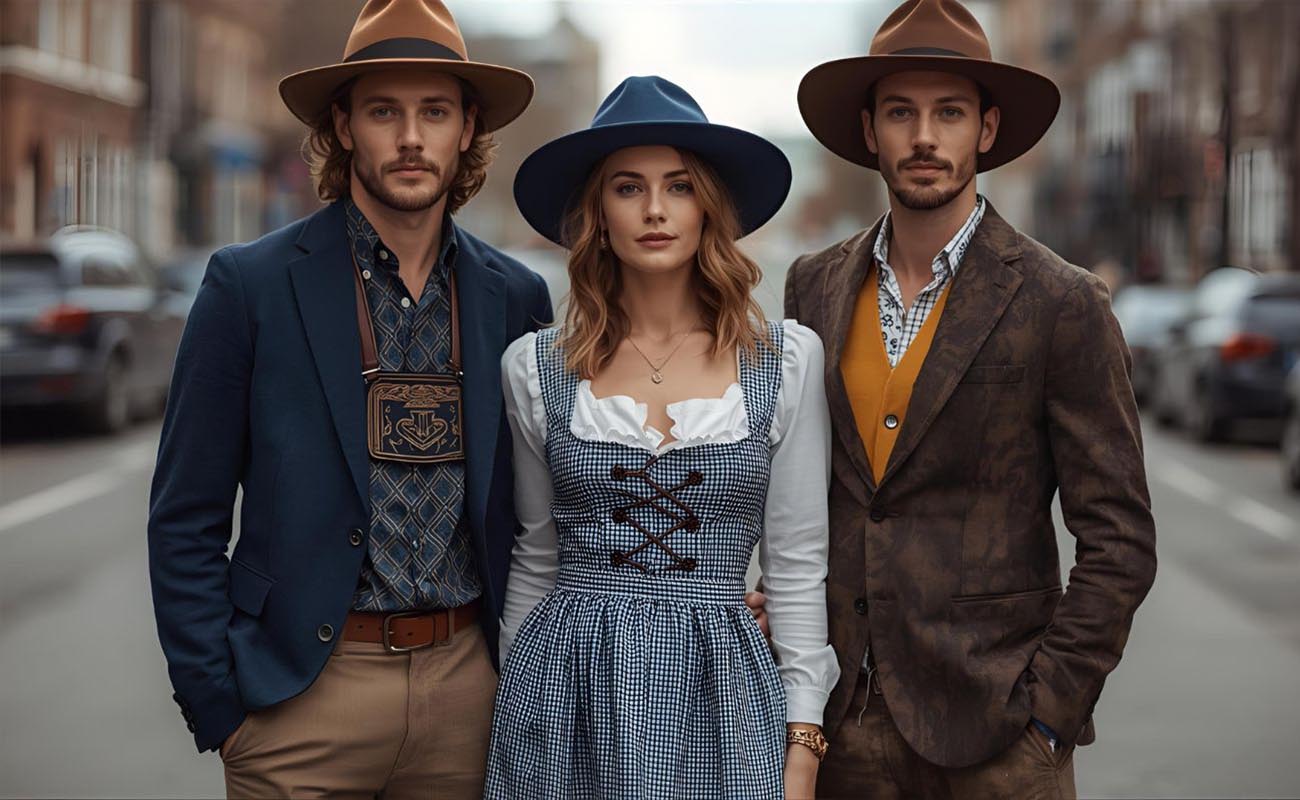
Cultural identity and pride drive much of this revival, as young Germans reconnect with regional roots that previous generations downplayed. In an increasingly globalized world where chain stores and international brands dominate, wearing distinctive regional clothing becomes a statement about valuing local identity and history. Fashion and style play equally important roles – modern designers have transformed Trachten from stiff historical reproductions into stylish, contemporary fashion statements that compete with international trends. Sustainability concerns align perfectly with traditional Trachten values, as these garments are often made from high-quality natural materials like wool, linen, and leather. Many pieces are handcrafted and designed to last for generations rather than seasons, appealing to eco-conscious consumers rejecting fast fashion. Social media influence cannot be underestimated – Instagram and other platforms have made traditional clothing “cool” again, with influencers showcasing creative ways to style dirndls and lederhosen.
Modern Trachten Trends 2026
The latest Trachten fashion incorporates contemporary elements while respecting tradition, creating styles that appeal to fashion-conscious young people. Current trends favor earthy tones like berry, wine red, mustard yellow, olive, sage, and chocolate brown, moving away from the bright primary colors popular in previous decades. Pastel shades offer softer alternatives for spring festivals, while metallic accents add modern elegance for evening events. These color choices reflect broader fashion trends while maintaining the richness expected in traditional clothing.
Fabrics and materials show interesting evolution, with traditional wool and linen remaining popular alongside sustainable fabrics and eco-friendly leather alternatives. Organic cotton, hemp blends, and recycled materials appeal to environmentally conscious consumers without sacrificing quality or appearance. Some designers experiment with vegan leather for lederhosen, though traditional natural leather maintains strong support from purists. Silhouettes and cuts adapt to modern preferences – current dirndls feature varied skirt lengths from mini to full-length, with midi length particularly popular for its versatility. Lederhosen now come in slim-fit designs with softer leathers for improved comfort, appealing to younger wearers accustomed to modern clothing’s fit and feel. Personalization has become a major trend, with young people mixing traditional pieces with contemporary accessories, creating unique personal styles that honor heritage while expressing individuality. Sneakers with dirndls, modern jewelry with lederhosen, and creative hair styling show how tradition adapts to contemporary aesthetics.
High Fashion Meets Tradition
Luxury fashion brands and renowned designers have embraced Trachten aesthetics, elevating traditional clothing to haute couture status. International designers feature dirndl-inspired pieces at Berlin Fashion Week and in international collections, bringing Bavarian elements to global runways. This high-fashion validation has boosted Trachten’s cultural cachet, making traditional elements trendy beyond their regional origins. Young people see traditional clothing referenced in high-end fashion magazines and celebrity wardrobes, changing perceptions from “folk costume” to “fashion statement.”
German designers like Lola Paltinger, Lena Hoschek, and Susanne Spatt have built international reputations creating sophisticated Trachten-inspired collections. Their work bridges tradition and modernity, respecting historical roots while pushing creative boundaries. These designers attend prestigious fashion events worldwide, presenting Bavarian culture through a contemporary lens that resonates with global audiences. Munich’s fashion scene increasingly celebrates Trachten innovation, with dedicated fashion weeks and designer showcases. This attention from the fashion industry ensures continued relevance for younger generations who might otherwise see traditional clothing as outdated. When supermodels wear dirndl-inspired designs on runways or celebrities post Oktoberfest photos on Instagram, traditional clothing gains cultural credibility that encourages broader adoption.
Regional Diversity: Beyond Bavaria
Understanding Germany’s Trachten Variety
One of the biggest misconceptions about German traditional clothing is that it’s all Bavarian – dirndls and lederhosen are certainly most famous, but they represent just one small part of Germany’s diverse Trachten landscape. Germany’s historical fragmentation into hundreds of independent territories meant each region developed distinctive styles reflecting local conditions, economic activities, religious affiliations, and cultural connections. A complete understanding of German traditional clothing requires looking beyond Bavaria to appreciate the remarkable variety across all regions.
Schwälmer Tracht (Hesse) features vibrant colors, intricate hand-embroidered details, and distinctive headwear that makes it instantly recognizable. The elaborate designs reflect stories and symbols from rural life, with each element carrying meaning. Women’s dresses incorporate rich reds and greens with metallic thread embroidery, while massive silver jewelry pieces indicate wealth and status. The traditional headdress varies by marital status and occasion, ranging from elaborate ceremonial crowns to everyday caps. This tradition remains strong in the Schwalm region, with active preservation societies and regular festival appearances.
Black Forest Tracht extends beyond the famous Bollenhut to include predominantly black and red garments made from wool and linen, carrying symbolic meanings that vary by occasion. The black represents Protestant religious sobriety, while red details add festive elements for celebrations. Women’s dresses feature fitted bodices with full skirts, white blouses with elaborate sleeves, and numerous petticoats for warmth and shape. Men’s Black Forest dress differs dramatically from Bavarian lederhosen, featuring dark trousers, vests, and distinctive hats. The entire ensemble projects dignity and restraint rather than the celebratory exuberance of Alpine styles.
Frisian Tracht (Northern Coast) reflects maritime culture with practical designs developed for fishing communities and coastal weather. Women wore distinctive silver jewelry and elaborate headpieces that indicated marital status and wealth. Dark, practical fabrics predominated, with white lace collars and cuffs providing decoration. Men’s clothing emphasized warmth and water resistance, with thick wool jackets and sturdy trousers. These northern styles look nothing like Bavarian Trachten, reminding us that “German traditional clothing” encompasses dramatically different regional expressions. Today, Frisian Trachten appears mainly at heritage festivals and in museums, though local pride maintains awareness of traditional styles.
Swabian Tracht is characterized by knee-length black or yellow lederhosen different from Bavarian styles, paired with colorful vests and white linen shirts. The longer Bundhosen offer more coverage than Bavaria’s short lederhosen, reflecting different regional preferences. Women’s Swabian dress features distinctive caps, fitted bodices, and full skirts in specific regional color combinations. Each Swabian community had variations, making the region’s Trachten landscape complex and varied. Stuttgart and surrounding areas maintain active Trachten traditions, particularly for the Cannstatter Volksfest, where regional pride meets festive celebration.
How to Wear Trachten: Modern Guidelines
For Women: Dirndl Styling
The Apron Bow Code
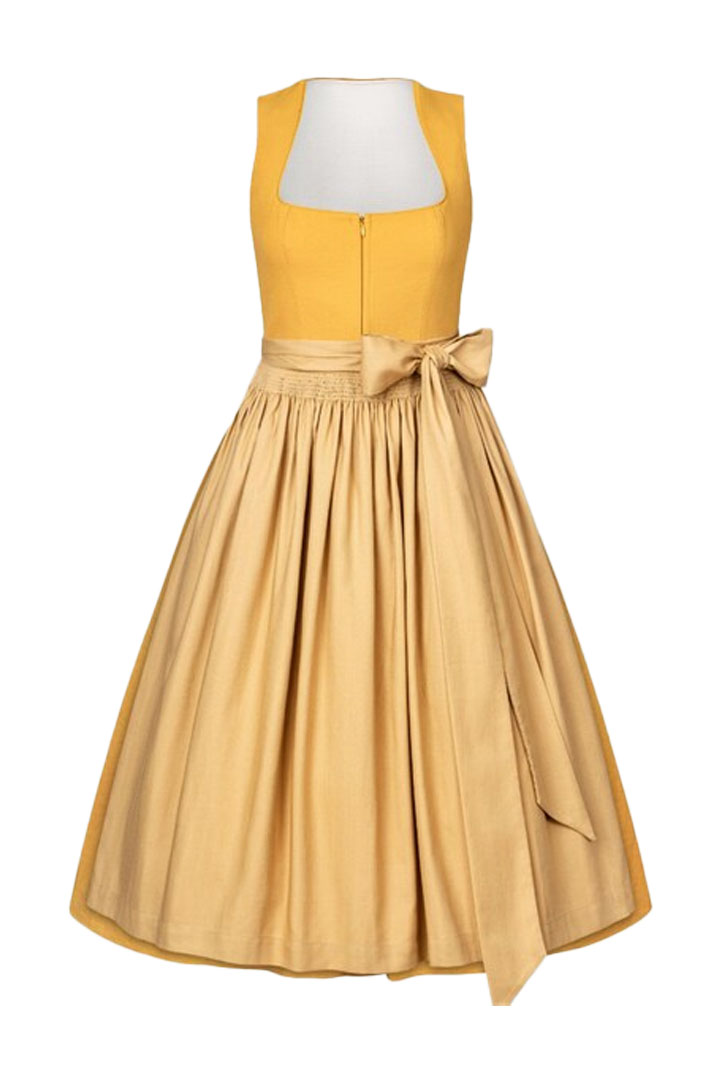
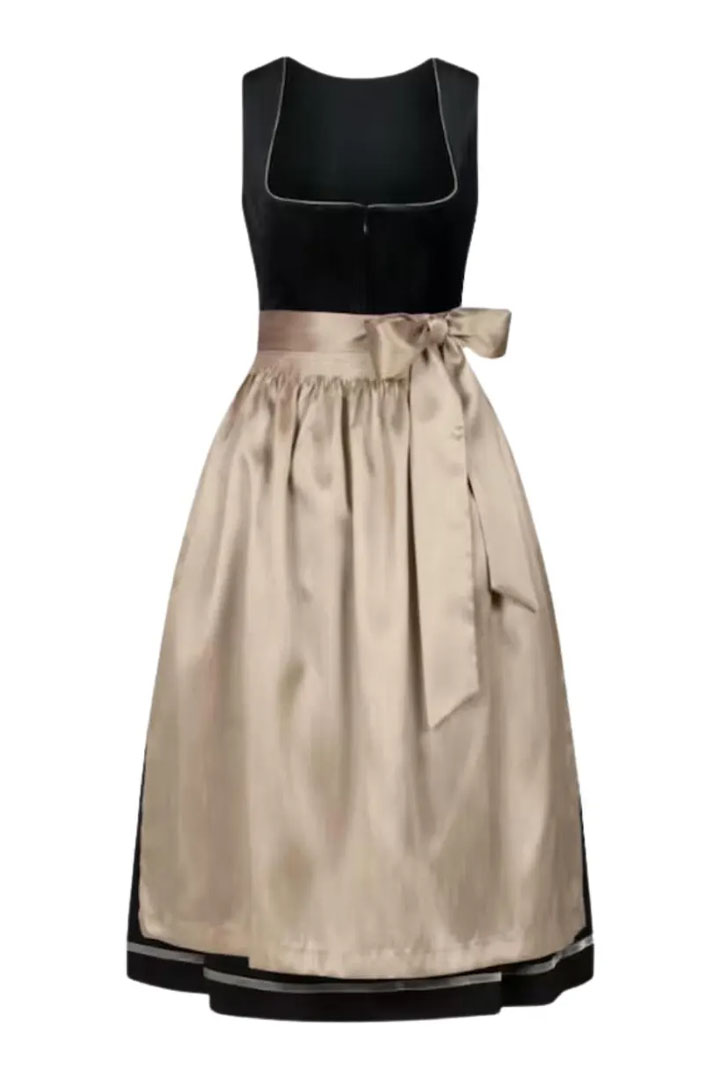
According to tradition, the positioning of the dirndl apron bow communicates the wearer’s relationship status – tying the sash on the woman’s left side indicates that she is single and available, while a knot tied on the right means that she is married, engaged, or otherwise not interested in dating. A bow tied in the center front traditionally means the wearer is a virgin or young girl, though modern interpretations also use this position to indicate “none of your business” or playful ambiguity. A bow tied in the center back indicates a widow or, more commonly today, a waitress who wants the apron strings out of the way while working. While not all modern wearers follow these conventions, knowing them adds cultural understanding and prevents unintentional signals.

Choosing the Right Dirndl
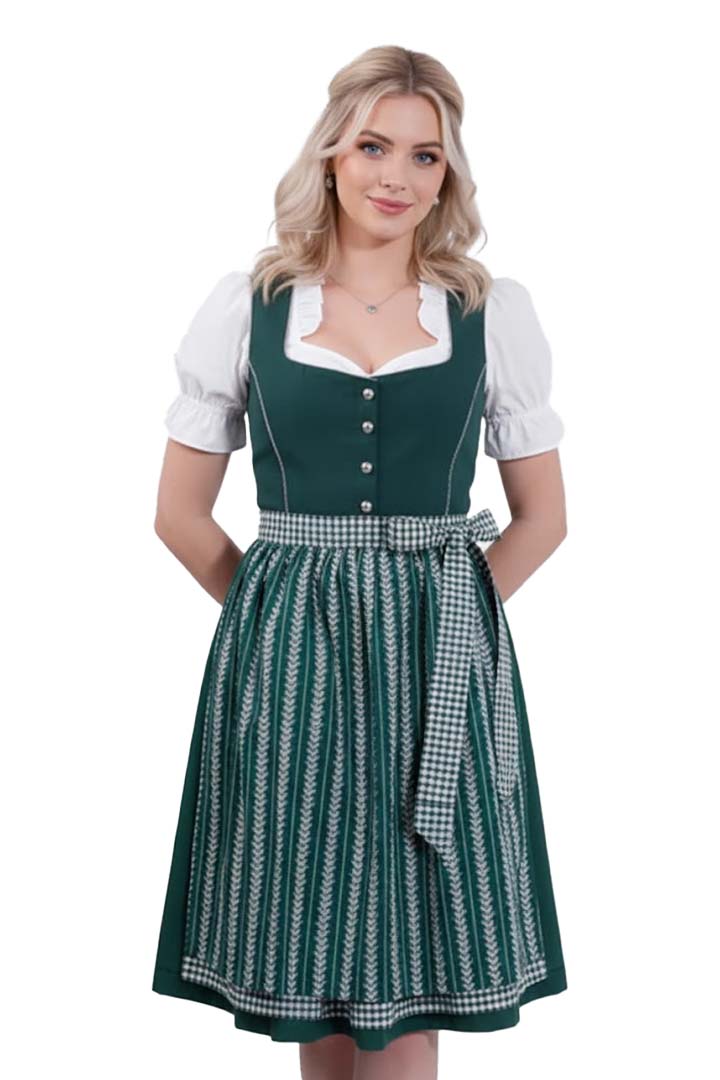
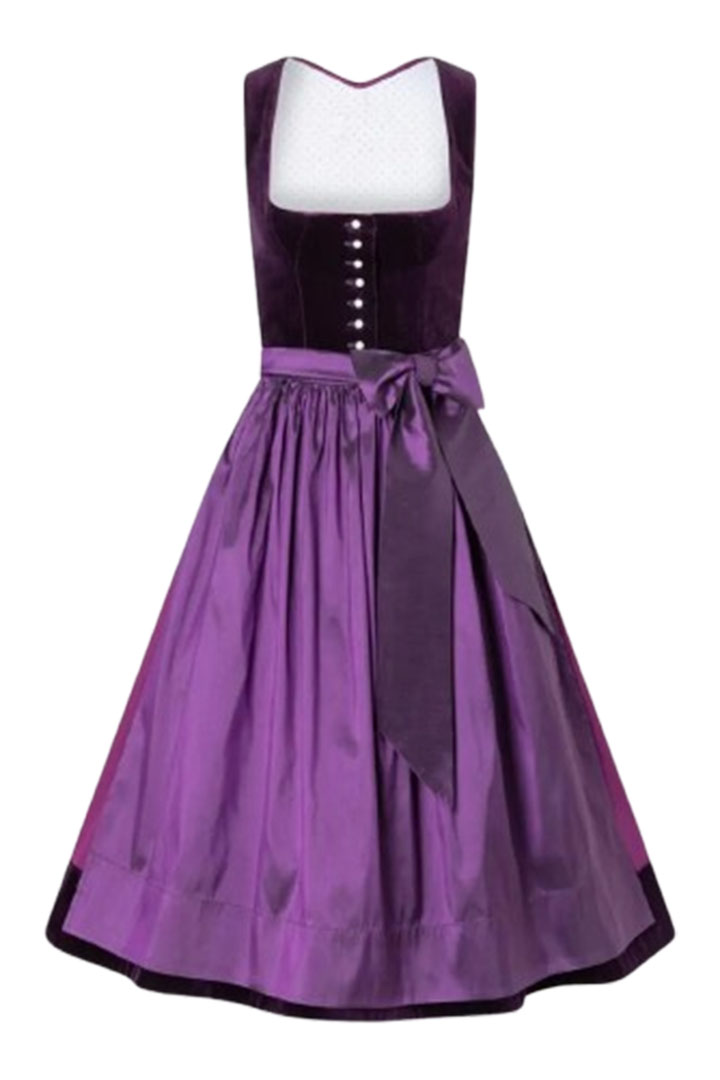
Selecting an appropriate dirndl requires considering length, neckline, blouse style, and accessories for the specific occasion. Length matters significantly – mini dirndls (above knee) suit casual Oktoberfest wear and young women, midi length (below knee) offers versatility for most occasions, while full-length dirndls project formality appropriate for weddings and religious ceremonies. Neckline depth should match the event’s formality, with higher necklines for conservative settings like church and lower décolletage for festive occasions. Traditional etiquette suggests showing less cleavage at religious events and family gatherings than at beer festivals.
Blouse choice affects the overall impression – white or cream cotton is most traditional and versatile, black creates dramatic contrast for evening events, and colored blouses offer modern variation. The blouse should fit properly with sleeves sitting correctly on the shoulders and neckline aligning with the bodice. Accessories complete the look: traditional jewelry (silver chains, pendants, and earrings for special occasions), proper shoes (soft felt with chunky heels for authenticity, though modern alternatives work for casual settings), and appropriate hairstyles (braids, updos, or flowers for decoration). Getting these details right distinguishes someone who understands Trachten culture from those simply wearing a costume.
For Men: Lederhosen Essentials
Components of Authentic Lederhosen Outfit
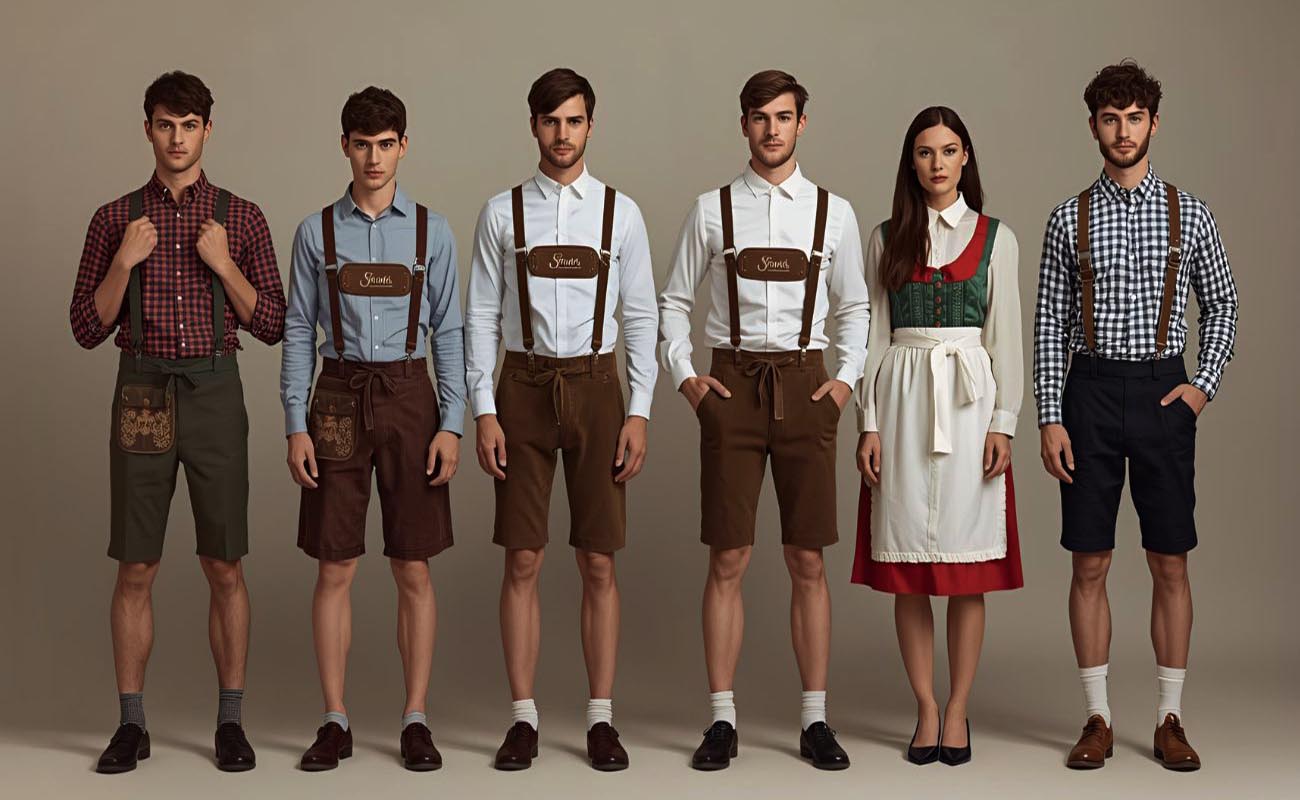
A complete traditional men’s outfit consists of multiple coordinated pieces that together create the classic Bavarian look. Leather breeches come in short (above knee) or long (knee-length Bundhosen) versions, with short being more common at festivals and long preferred for formal occasions or cooler weather. The shirt typically features checks (especially red and white or blue and white) or comes in plain white linen for formal events. Suspenders (Hosenträger) are essential, not just functional but decorative, featuring embroidered designs and a chest piece (crosspiece) that displays craftsmanship.
A Janker or other traditional Alpine jacket completes the formal outfit – these short wool jackets feature distinctive styling with horn buttons and subtle decoration. Accessories matter enormously: a Tyrolean hat with feather or Gamsbart (tuft of chamois hair) adds authentic Alpine character, thick wool socks (usually white or grey with decorative elements) keep legs warm and complete the look, and Haferlschuhe (traditional shoes) provide historically accurate footwear. Modern alternatives like leather boots or even clean sneakers work for casual festival wear, though purists insist on proper Haferlschuhe for authentic appearance.
Quality Considerations
Authentic lederhosen are made from deer, goat, or cowhide leather and feature hand-embossed embroidery that demonstrates craftsmanship and quality. While expensive, they develop a unique patina over time and can last for decades with proper care, making them potentially more economical than repeatedly buying cheap alternatives. Quality lederhosen feature sturdy construction with reinforced stress points, genuine leather (not synthetic imitations), detailed embroidery on the bib and suspenders, and proper fit that allows comfortable movement. Cheap tourist versions use thin leather that tears easily, poor stitching that fails quickly, and simplified designs that lack authenticity.
Investment in quality pays off for anyone planning regular wear – proper lederhosen improve with age rather than deteriorating, develop personal character through wear patterns and patina, can be repaired and maintained by specialized craftspeople, and maintain resale value for those who eventually outgrow them. Many families pass lederhosen down through generations, with proper care ensuring decades of use. The leather requires minimal maintenance – avoiding washing when possible, allowing air circulation after wear, and accepting the natural aging process that makes each pair unique. This durability and timeless style make quality lederhosen a practical choice despite the initial expense.
Trachten Associations: Preserving German Heritage
The Role of Trachtenvereine
Trachten preservation associations (Trachtenvereine) play a crucial role in maintaining traditional clothing culture throughout Germany. These organizations document authentic regional designs through research, photography, and pattern preservation, ensuring that historical accuracy is maintained even as styles evolve. They organize cultural events and festivals that provide contexts for wearing traditional clothing, from local gatherings to major regional festivals. Teaching traditional dances and music ensures that Trachten appears in appropriate cultural settings rather than becoming mere costume. They promote proper wearing of Trachten through education about historical accuracy, regional appropriateness, and respectful usage.
The associations connect community members through shared heritage, creating social networks that strengthen regional identity and cultural continuity. Membership spans generations, with families joining together and children growing up immersed in traditions. Many associations maintain archives of historical garments, photographs, and documents that serve as resources for researchers, costume makers, and anyone seeking authentic information. They consult with museums, work with craftspeople, and advise film productions seeking historical accuracy. The Bayerische Trachtenverband (Bavarian folk costume association) oversees standards for traditional designs, ensuring that commercial producers respect authentic patterns, materials, and construction methods rather than creating fantasy versions.
Museums and Cultural Centers
Several museums throughout Germany showcase traditional clothing, preserving historical garments and educating visitors about regional traditions. The Schwarzwälder Trachtenmuseum in Haslach displays over 100 traditional Black Forest costumes, showing the remarkable variation within just one region. Trachtenmuseum Seebach focuses on regional Baden-Württemberg costumes with detailed explanations of their cultural context. Various Heimat museums across Germany display local traditions, often in historic buildings that provide authentic settings for traditional clothing.
These institutions serve multiple purposes beyond simple display – they provide research resources for scholars studying textile history and regional culture, offer educational programs for schools teaching local heritage, preserve fragile historical garments under proper conservation conditions, and inspire contemporary makers with authentic examples. Many museums host special exhibitions for festivals or anniversaries, bringing together collections from multiple institutions. They document construction techniques through photographs and technical descriptions, ensuring that craft knowledge isn’t lost. For anyone seriously interested in Trachten, these museums offer invaluable resources for understanding authentic regional styles and appreciating the skill involved in traditional garment construction.
Shopping for Trachten: What You Need to Know
Authentic vs. Fashion Trachten
Understanding the difference between authentic traditional costumes and modern fashion interpretations helps buyers make informed choices based on their needs and budget. Authentic traditional costumes are faithful reproductions of historical designs using traditional materials and construction methods, with prices ranging from several hundred to several thousand euros depending on quality and detail. These pieces often come from specialized tailors who custom-make garments using historical patterns, traditional fabrics like wool and linen, hand-stitched details, and historically accurate construction. They’re designed to last decades with proper care and often become family heirlooms passed through generations. Collectors, serious cultural participants, and those attending formal traditional events typically choose authentic pieces. These garments meet the standards of Trachtenvereine and would be appropriate for any cultural setting including weddings, religious ceremonies, and formal festivals.
Trachtenmode and modern interpretations borrow traditional elements but adapt them with modern fabrics, colors, and styles to create contemporary looks. These are more affordable, usually ranging from €50-300, and suitable for festival wear without the investment of authentic pieces. They prioritize comfort, easy care, and fashion trends over historical accuracy, often incorporating synthetic fabrics, simplified construction, bright colors not found in traditional palettes, and modified cuts for modern comfort. For tourists attending Oktoberfest or locals wanting casual festival wear without major investment, these options work perfectly well. They capture the spirit of traditional clothing without the expense and maintenance requirements of authentic pieces.
Wiesntracht represents Oktoberfest-specific fashion that only vaguely references actual traditional clothing. The type of clothing sold in tracht outlets specifically for Oktoberfest is colorful, revealing, and fashion-forward, prioritizing style and fun over historical accuracy. These pieces feature short skirts and low necklines uncommon in historical dirndls, bright colors and patterns chosen for visual impact rather than regional authenticity, synthetic fabrics for easy care and affordability, and trendy details that change with each season’s fashion. While some purists criticize these as cheapening tradition, others see them as making Trachten accessible and fun for international visitors. For a one-time Oktoberfest visit, Wiesntracht offers an affordable, practical choice that lets you participate in the festive atmosphere.
Where to Buy German Traditional Clothing
Why Buy from Bavarian Attire?
When shopping for authentic Trachten, Bavarian Attire stands out as a premier choice for quality traditional clothing. Here’s why customers trust Bavarian Attire:
- Authentic Quality: Genuine traditional designs with proper construction and materials
- Expert Craftsmanship: Skilled artisans create each piece with attention to detail
- Wide Selection: Complete range from budget-friendly to premium custom pieces
- Perfect Fit Guarantee: Professional sizing guidance ensures comfort and proper appearance
- Cultural Authenticity: Designs respect regional traditions and historical accuracy
- International Shipping: Worldwide delivery brings Bavarian tradition to your doorstep
- Customer Support: Knowledgeable staff help choose appropriate styles for any occasion
- Value for Money: Fair pricing for quality that lasts generations
Shopping Options:
In Germany you’ll find the best selection and prices, with specialist Trachten shops in Munich, Salzburg, and other Bavarian cities offering everything from budget options to custom-made pieces. Major retailers include Ludwig Beck, Angermaier, and Lodenfrey in Munich, all with extensive selections and knowledgeable staff. Department stores like Galeria Kaufhof carry Trachten during festival seasons at more affordable prices. These physical locations let you try on multiple styles, get expert fitting advice, and see quality differences firsthand. Staff can explain proper wearing, suggest appropriate accessories, and help you understand what’s suitable for your intended use.
Online retailers like MOSER Trachten, Ernst Licht, Alpenclassics, and Bavarian Attire ship throughout Germany and internationally, offering convenient shopping with detailed size guides and return policies. Their websites typically show extensive catalogs with multiple angle photographs and detailed descriptions. International options exist, with many German shops shipping worldwide, though customs and shipping costs add to the total price. Rental services for one-time events provide practical alternatives for tourists or those attending a single Oktoberfest, typically costing €50-100 for a complete outfit. German cultural centers in other countries may have resources or can recommend shops catering to diaspora communities.
Buying Tips:
- Invest in quality for pieces you’ll wear repeatedly
- Consider rental for first-time Oktoberfest visits
- Ensure proper fit – traditional garments should be fitted
- Research appropriate styles for your intended use
- Compare quality, prices, and styles across sources
- Read customer reviews about sizing and quality
- Buy separates for varied looks
- Budget more for frequently worn pieces
The Global Spread of German Traditional Clothing
Oktoberfest Worldwide
Dirndls and lederhosen are worn as party clothing at Oktoberfest celebrations around the world, especially in German diaspora communities where cultural pride meets festive tradition. From Brazil to the United States, Canada to Australia, people embrace Trachten as part of celebrating German culture, often with more enthusiasm than in Germany itself. These international festivals range from small community gatherings to massive events rivaling Munich’s original festival in scale and attendance. They serve multiple purposes – preserving cultural heritage for German descendants, introducing others to German traditions, and providing economic development through tourism and local business support.
Notable international Oktoberfests include Blumenau, Brazil, which hosts one of the world’s largest festivals outside Germany with millions of attendees over multiple weeks. The city’s strong German heritage makes this celebration authentic and culturally significant. Kitchener-Waterloo, Canada holds a major Bavarian festival drawing hundreds of thousands of visitors to Ontario’s German heartland. Cincinnati, USA hosts America’s largest Oktoberfest, attracting over half a million people annually to celebrate German-American heritage. Multiple Australian cities including Melbourne and Sydney have growing Oktoberfest celebrations reflecting German immigration history. These events introduce Trachten to people worldwide, creating international markets for traditional clothing and spreading German cultural awareness beyond heritage communities.
German Diaspora Communities
Descendants of German immigrants worldwide maintain Trachten traditions through dedicated cultural societies and clubs that organize regular events and festivals. These organizations preserve language, cuisine, music, dance, and clothing traditions across generations, even when members have limited connection to modern Germany. Heritage festivals throughout the year provide opportunities for wearing traditional clothing, from spring maypole celebrations to autumn harvest festivals and Christmas markets. Language schools often incorporate cultural education including proper traditional clothing and its significance. Dance groups performing Schuhplattler and other Bavarian dances maintain authentic costuming as part of their presentations.
Traditional music ensembles playing Alpine folk music typically perform in Trachten, visually reinforcing the cultural context of their music. These diaspora communities often preserve traditions more carefully than contemporary Germany, viewing them as precious links to ancestral heritage rather than everyday elements of culture. Children learn traditional dances, wear Trachten for cultural performances, and participate in heritage festivals, creating new generations who value these traditions. Some of these communities maintain closer ties to historical practices than modern Germany, where evolution and fashion influence traditional clothing more dramatically. The result is a fascinating global Trachten culture where Brazilian Germans, American Bavarians, and Australian Alpine communities each maintain their unique interpretation of shared heritage.
Controversies and Considerations
Cultural Appropriation vs. Appreciation
As Trachten gains global popularity, questions arise about respectful wear and the line between cultural appreciation and appropriation. Appropriate appreciation involves learning about the cultural significance of traditional clothing beyond just aesthetics, understanding that these garments represent centuries of regional history and identity. Wearing complete, proper outfits rather than mixing mismatched pieces or treating them as joke costumes shows respect for tradition. Respecting traditional occasions and settings means understanding when Trachten is appropriate and when it might seem disrespectful or trivializing. Supporting authentic craftspeople and businesses rather than cheap knockoffs honors the skills and traditions behind traditional clothing while ensuring fair compensation for artisans.
Concerns arise around cheap, poorly made “costumes” that mock traditional designs through exaggerated features and poor quality, reducing meaningful cultural garments to comedy props. Wearing Trachten as a joke or party costume without understanding its significance disrespects the culture, particularly when done mockingly. Sexualized or inappropriate versions that emphasize revealing elements while ignoring cultural context commodify tradition for entertainment. The debate becomes complex when considering who has the right to wear traditional clothing – some argue only those with German heritage should wear Trachten, while others welcome anyone who approaches it respectfully and educates themselves about its significance.
Modern Inclusivity Debates
Contemporary Trachten culture is evolving to be more inclusive, though not without controversy and disagreement within traditional communities. LGBTQ+ representation has become more visible, with some festivals and clubs actively welcoming diverse expressions of tradition and reimagining how non-traditional couples and individuals participate. Discussions about multicultural Germany address whether non-ethnic Germans can wear Trachten, with positions ranging from exclusive cultural gatekeeping to welcoming integration that sees traditional clothing as belonging to all Germans regardless of ancestry. Gender expression debates consider increasing flexibility in who wears what styles, challenging historical gender binaries while respecting traditional meanings.
Body positivity movements push for more size-inclusive designs beyond traditional sizing that often doesn’t accommodate modern body types. Some designers now create Trachten for all sizes, challenging the historical association between traditional clothing and specific body types. These inclusivity debates reflect broader cultural conversations about tradition versus progress, authenticity versus evolution, and who defines cultural boundaries. Older generations sometimes resist changes they see as diluting traditions, while younger people argue that living cultures must evolve to remain relevant. The tension between preservation and adaptation will continue shaping Trachten culture as Germany becomes more diverse and traditional communities negotiate between maintaining heritage and welcoming new participants. See more: Why Do People in Bavaria Wear Trachten?
Caring for Traditional German Clothing
Dirndl Maintenance
Proper care ensures dirndls last for decades, maintaining their appearance and value through regular use and careful storage. Store hanging to maintain bodice shape, using padded hangers that support the shoulders without stretching or distorting the structure. Hand-wash delicate blouses separately from the main dress, using gentle soap and cool water to prevent shrinkage and damage. Professional cleaning for elaborate embroidery protects intricate work from water damage or color bleeding that home washing might cause. Iron carefully, avoiding embellishments like buttons, hooks, and decorative elements that heat might damage or melt.
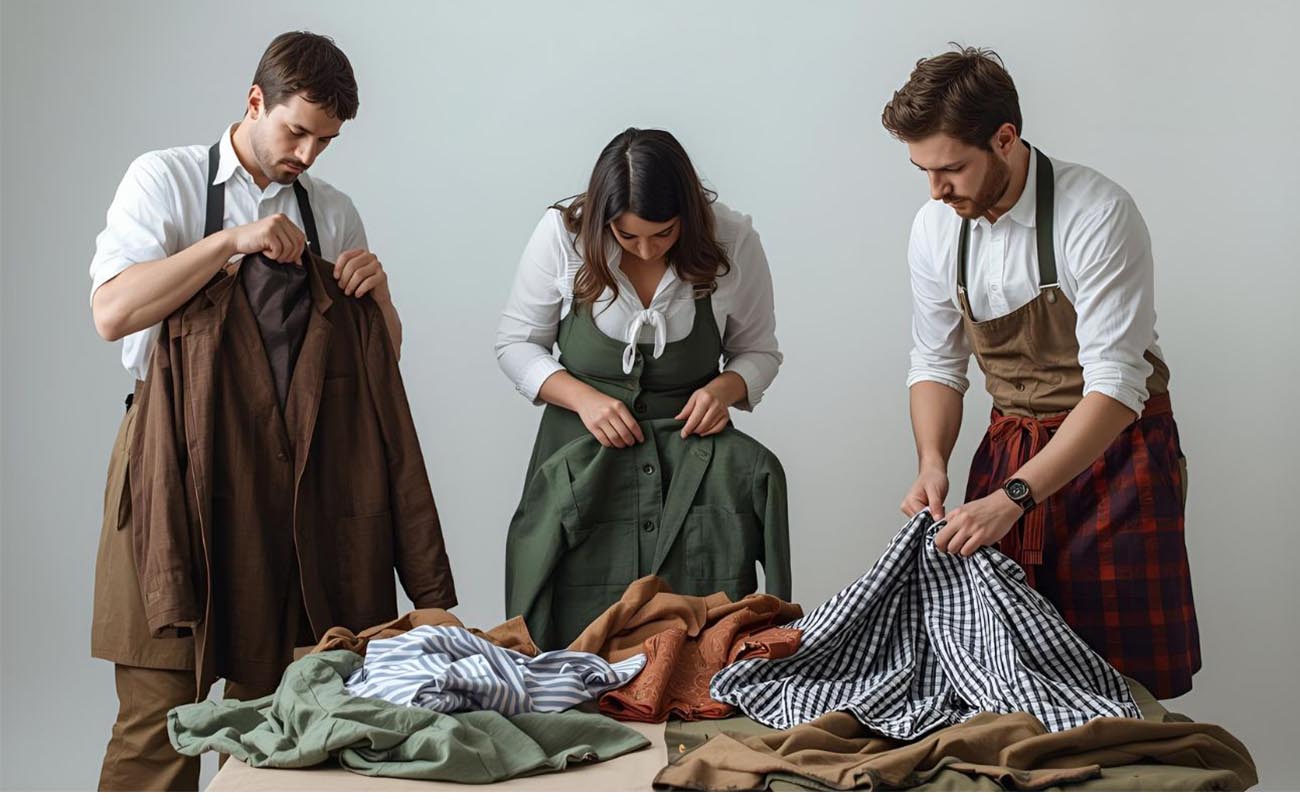
Store aprons flat or carefully folded to prevent permanent creasing in the fabric, particularly for silk or delicate materials. Protect dirndls from moths by using cedar blocks or lavender sachets in storage areas, avoiding chemical mothballs that can damage fabric or leave odors. Allow dirndls to air out thoroughly after wearing before storing to prevent moisture-related problems like mildew. Check stored garments periodically for any issues like loose buttons, minor tears, or pest damage that’s easier to address early. For valuable antique dirndls, consider professional conservation advice about long-term storage using acid-free tissue and proper containers.
Lederhosen Care
A true pair of lederhosen only gains character over time, developing a distinctive patina, worn areas, or even stains that make them unique to their wearer. This natural aging process is valued rather than avoided – the goal isn’t keeping lederhosen pristine but letting them develop personality through use. Avoid washing unless absolutely necessary, as water can damage leather, cause shrinkage, and remove natural oils that keep the material supple. Professional leather cleaning when needed handles serious stains or odors without the damage home washing would cause.
Allow lederhosen to air out after wearing, hanging them in a well-ventilated area away from direct sunlight that might fade or dry out the leather. Apply leather conditioner sparingly if leather becomes very dry or stiff, using products specifically designed for garment leather rather than shoe care products. Test any conditioner on inconspicuous areas first to ensure it doesn’t darken or discolor the leather unexpectedly. Embrace the natural patina that develops as oils from skin contact, minor stains, and wear patterns create unique character that marks the lederhosen as truly yours.
Store lederhosen hanging or folded loosely to prevent permanent creasing, avoiding plastic bags that trap moisture and can cause mildew. Minor repairs like replacing buttons or restitching seams can be done at home or by leather workers, extending the life of quality pieces indefinitely. Many Bavarians treasure lederhosen that show decades of wear, viewing them as more authentic and valuable than new ones. This attitude toward aging and wear represents traditional values of quality, durability, and personal connection to possessions rather than modern disposable fashion.
The Future of Trachten in Germany
Sustained Popularity
All indicators suggest that Trachten’s revival is not a passing trend but a sustained cultural movement with deep roots in contemporary German society. Younger generations continue discovering traditional clothing, with each year bringing new enthusiasts who embrace heritage clothing as part of their identity. Established wearers maintain their commitment, passing traditions to children and grandchildren through active participation in cultural events. The fashion industry’s embrace ensures ongoing innovation and relevance, with designers continually reimagining traditional elements for contemporary tastes.
Social media provides unprecedented visibility for Trachten culture, with influencers, festivals, and individuals sharing their traditional clothing experiences with global audiences. This exposure creates aspirational appeal, making traditional clothing desirable rather than dated. Economic factors support sustainability – specialty shops, craftspeople, and cultural organizations have business models dependent on continued interest, creating infrastructure that supports and promotes traditional clothing. Educational efforts through schools, museums, and cultural associations ensure younger generations learn about heritage before deciding whether to embrace it.
Technology and Tradition
Modern craftspeople are using technology to preserve traditional skills while adapting to contemporary market demands. Digital documentation of historical patterns creates permanent records that won’t be lost as elderly craftspeople pass away, ensuring future generations can access authentic designs. Online marketplaces connecting artisans with customers expand beyond local markets, allowing specialized makers to find customers worldwide rather than depending on small regional markets. Social media spreading appreciation and education reaches audiences traditional methods never could, creating awareness and interest across demographics and geographic regions.
Virtual museums and exhibitions make collections accessible to anyone with internet connection, democratizing knowledge previously available only through physical visits. 3D scanning and printing technologies could eventually assist in recreating historical garments for research or display. Video tutorials teach construction techniques, embroidery methods, and proper wearing to anyone interested in learning. These technological tools support rather than replace traditional skills, helping preserve knowledge while adapting to modern life’s realities. The combination of traditional craftsmanship and modern technology may ensure Trachten’s survival better than either approach alone.
Sustainability Focus
As environmental consciousness grows, Trachten’s traditional values align perfectly with sustainable fashion movements gaining momentum worldwide. Durable, long-lasting garments that serve for decades or generations directly oppose fast fashion’s disposability and environmental damage. Natural, biodegradable materials like wool, linen, and leather return to earth harmlessly unlike synthetic fibers polluting landfills and oceans. Local production supporting regional economies reduces transportation emissions while maintaining community connections and traditional skills.
Repair and alteration rather than disposal extends garment life through multiple wearers and changing body sizes, embodying sustainable principles of resource conservation. Intergenerational passing of quality pieces creates emotional connections and stories that make clothing precious rather than disposable. Young environmentally conscious consumers increasingly recognize that traditional clothing represents historical sustainability – people owned fewer garments, maintained them carefully, and valued quality over quantity. This alignment between traditional values and modern environmental ethics may drive future Trachten appreciation beyond cultural heritage alone, positioning traditional clothing as an ethical fashion choice for sustainability-minded consumers regardless of German ancestry.
Conclusion: Trachten’s Living Legacy
So, is Trachten clothing still worn in Germany? Absolutely yes – and it’s thriving in ways that honor tradition while embracing contemporary life. While not everyday wear for most Germans, traditional clothing occupies a special place in German culture, particularly in Bavaria and other southern regions where festivals, weddings, and cultural events regularly feature dirndls and lederhosen. The revival among younger generations proves that traditional clothing remains relevant when it adapts without losing authenticity, connects to identity without excluding innovation, and honors heritage while embracing individual expression.
Mainly worn in Bavaria, Trachten is increasingly fashionable in other parts of the country on special occasions or to celebrate Oktoberfest and cultural heritage. However, certain elements have become integral to modern German style, influencing fashion far beyond traditional contexts. Designers incorporate dirndl bodices into evening wear, lederhosen inspire casual clothing details, and traditional color combinations appear in contemporary collections. This cultural influence extends beyond Germany as international interest in traditional clothing spreads through travel, social media, and global German communities.
The story of German traditional clothing is one of adaptation and resilience, demonstrating how heritage survives by evolving rather than remaining frozen. From practical peasant workwear to aristocratic fashion, from near-extinction to modern revival, Trachten has proven its ability to remain relevant while honoring heritage. Each era interpreted traditional clothing differently – 19th century romanticism, early 20th century nationalism, post-war rejection, and 21st century revival all shaped how Germans understood and used Trachten. Today’s interpretation emphasizes cultural pride without nationalism, fashion without frivolity, and accessibility without cheapening.
Today’s Trachten wearers aren’t simply clinging to the past – they’re actively shaping how tradition fits into contemporary life through creative styling, personal interpretation, and thoughtful engagement with heritage. They’re proving that cultural heritage and modern life aren’t mutually exclusive, but can enrich each other in meaningful ways. Young Germans wearing dirndls with sneakers, styling lederhosen with contemporary accessories, and mixing historical pieces with modern fashion create living tradition rather than museum exhibits. Their approach respects history while claiming ownership, honoring ancestors while expressing individuality.
Whether you’re planning to attend Oktoberfest, exploring your German ancestry, or simply curious about European traditional clothing, understanding Trachten offers insight into how communities preserve identity while embracing change. The dirndl and lederhosen you see at festivals worldwide represent more than just clothing – they embody centuries of history, regional pride, and cultural continuity. Each garment tells stories about the place it comes from, the people who made it, and the wearers who keep tradition alive. Understanding these stories transforms traditional clothing from costume to cultural expression.
As Germany moves forward, Trachten reminds its wearers and observers alike that honoring the past can be a vibrant, creative, and forward-looking act. In a world of fast fashion and disposable clothing, there’s something powerful about garments designed to last generations, telling stories with every wear. Traditional clothing connects contemporary Germans to ancestors who wore similar garments centuries ago, creating tangible links across time. It demonstrates that progress doesn’t require abandoning heritage, that modernity can coexist with tradition, and that cultural roots provide stability in rapidly changing times. The future of Trachten looks bright precisely because it honors the past while embracing the present.
FAQs About German Traditional Clothing
Do Germans wear lederhosen and dirndls every day?
No, these are not everyday clothing. They’re worn for special occasions, festivals, weddings, and cultural events, primarily in Bavaria and surrounding regions. While you might see service staff wearing traditional clothing in tourist areas, most Germans wear modern clothing in their daily lives. Trachten is reserved for celebrations, much like formal wear in other cultures.
Is it appropriate for tourists to wear Trachten at Oktoberfest?
Yes! Wearing appropriate traditional clothing at Oktoberfest is welcomed and appreciated when done respectfully. Many locals and tourists alike dress in dirndls and lederhosen for the festival. Just ensure your outfit is complete and proper rather than a cheap costume or joke version. Renting quality pieces or buying appropriate festival wear shows respect for the culture.
How much does authentic Trachten cost?
Prices vary widely. Budget festival dirndls start around €50-100, while authentic custom-made pieces can cost €500-2000 or more. Quality lederhosen typically range from €200-1000+. For one-time wear, consider renting for €50-100. Investment in quality pays off if you’ll wear pieces repeatedly.
Are there different styles for different regions?
Yes, Germany has diverse regional styles. Bavaria’s Alpine Tracht is most famous, but the Black Forest, Swabia, Hesse, and northern regions all have distinct traditional clothing. Each area’s style reflects its unique history, climate, economy, and cultural influences. What’s authentic in one region may be completely different in another.
Can I wear Trachten outside of Germany?
Yes, Trachten is worn at Oktoberfest celebrations worldwide and by German cultural organizations internationally. Many diaspora communities maintain traditional clothing as part of their heritage. Just approach it respectfully with understanding of cultural significance rather than treating it as a costume.
Do young Germans still care about traditional clothing?
Yes! There’s been a significant revival among younger generations, who view Trachten as a way to connect with heritage while expressing personal style. Social media, fashion industry interest, and cultural pride drive this trend. Young Germans are making traditional clothing cool again through creative styling and authentic appreciation.
What’s the difference between authentic Trachten and modern fashion versions?
Authentic pieces follow traditional designs, materials, and construction methods, often custom-made by skilled craftspeople using historical patterns. Modern versions adapt traditional elements with contemporary fabrics and styles, prioritizing fashion and affordability over historical accuracy. Both have their place depending on your needs, budget, and intended use.
