
Dirndl Dresses
Discover authentic German Dirndl dresses perfect for Oktoberfest celebrations, traditional Bavarian festivals, and cultural events. Our premium collection features classic Oktoberfest outfits with fitted bodices, elegant full skirts, and decorative aprons in midi and mini lengths. Shop traditional Bavarian clothing including Alpine folk costumes, festive Dirndl costumes, and German heritage attire. Ideal for Munich Oktoberfest, German weddings, themed parties, and cultural celebrations. Browse various sizes, vibrant colors, and modern Dirndl styles. Embrace authentic Trachten fashion with high-quality traditional German dresses and Bavarian festival wear for women.
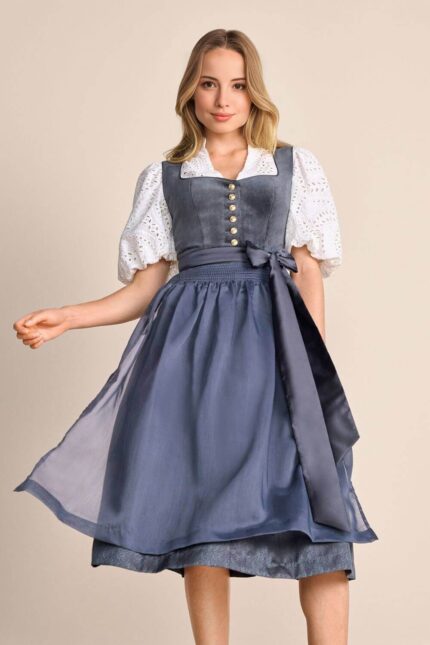
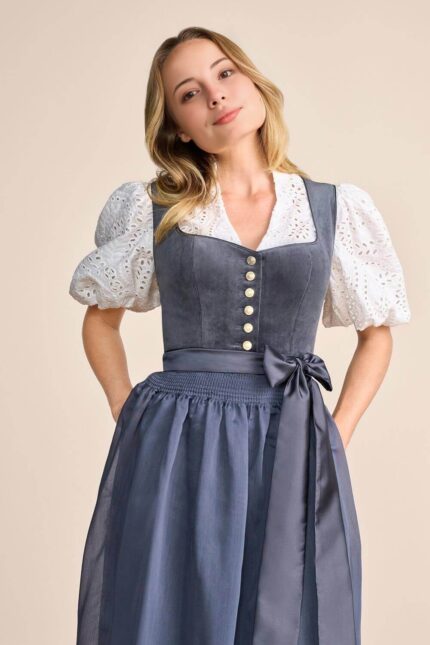
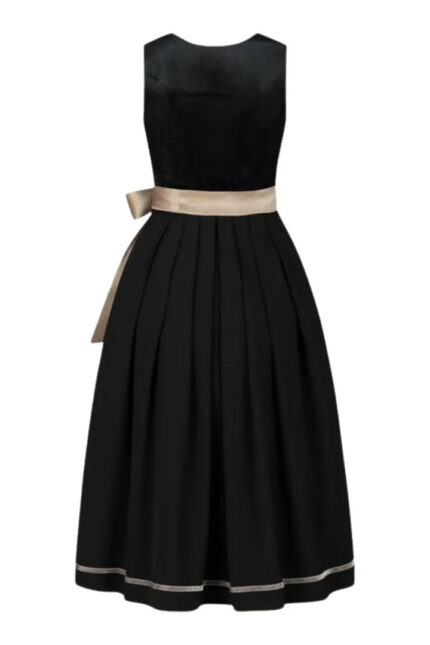
Alexandra Dirndl
Original price was: $ 499.00.$ 399.00Current price is: $ 399.00.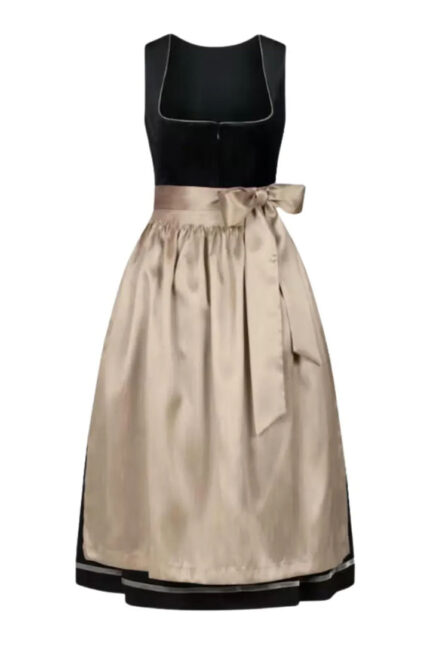
Alica Schmidt Dirndl
Original price was: $ 599.00.$ 399.00Current price is: $ 399.00.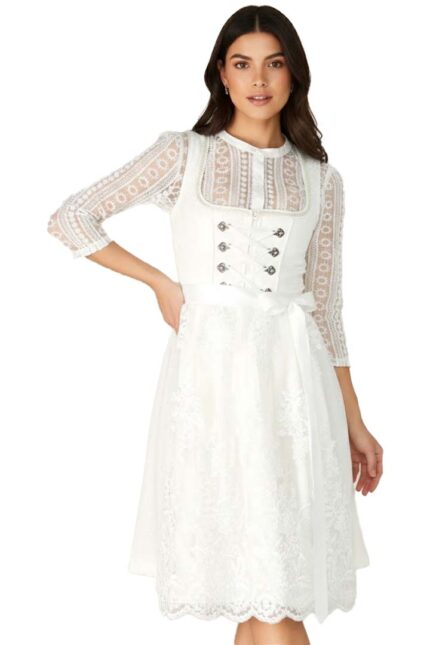
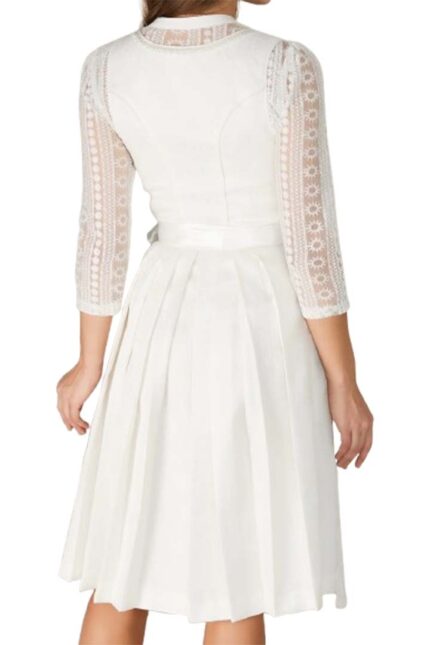
Angela Dirndl
Original price was: $ 599.00.$ 229.00Current price is: $ 229.00.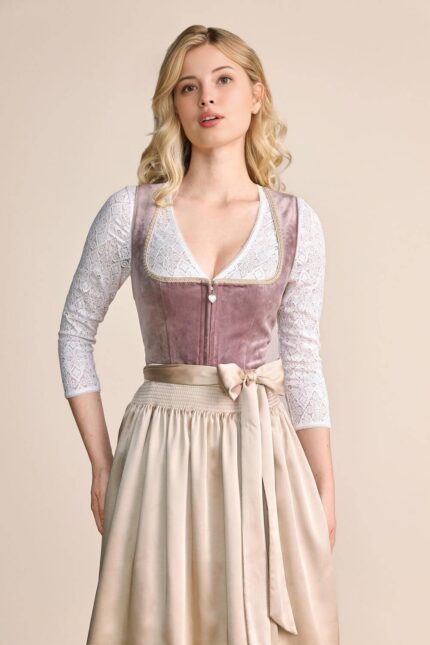
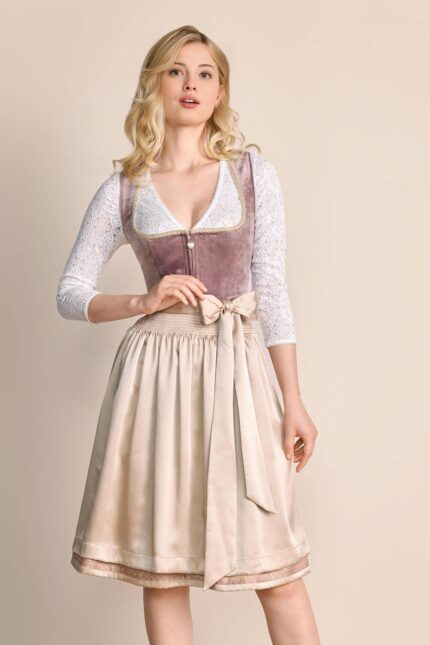
Anna Wein Dirndl
Original price was: $ 500.00.$ 299.00Current price is: $ 299.00.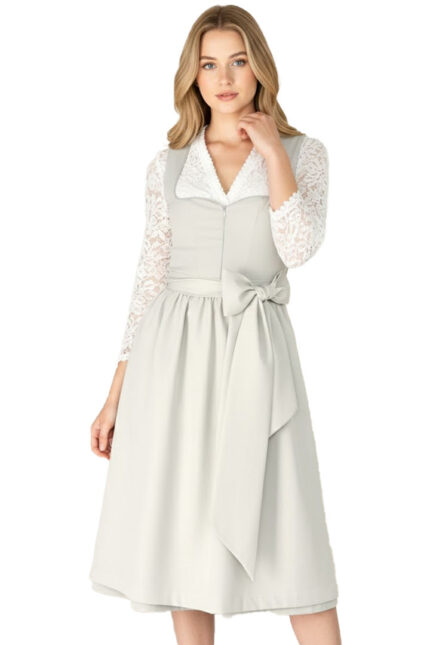
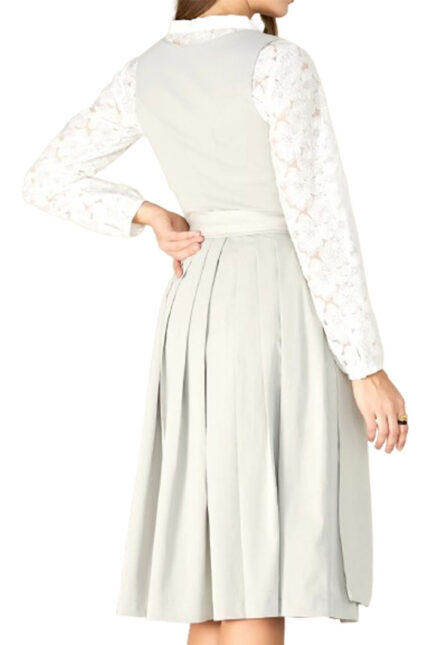
Annalena Dirndl
Original price was: $ 599.00.$ 229.00Current price is: $ 229.00.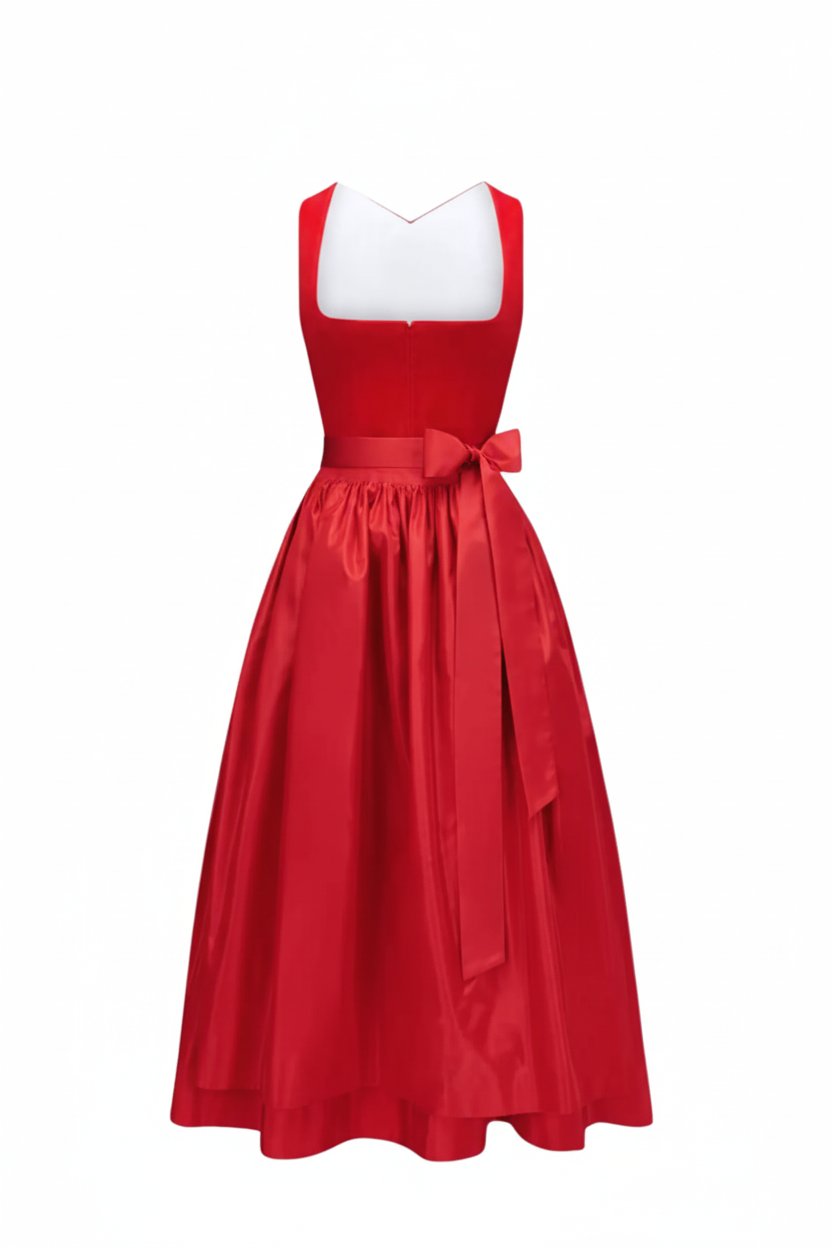
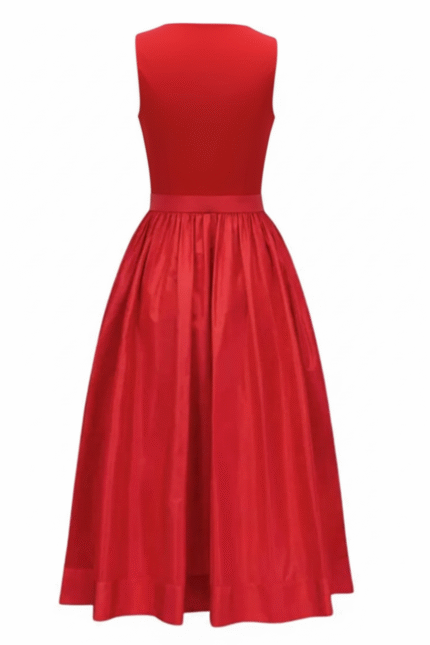
Authentic Amanda Dirndl Bavarian Dress
Original price was: $ 470.00.$ 340.00Current price is: $ 340.00.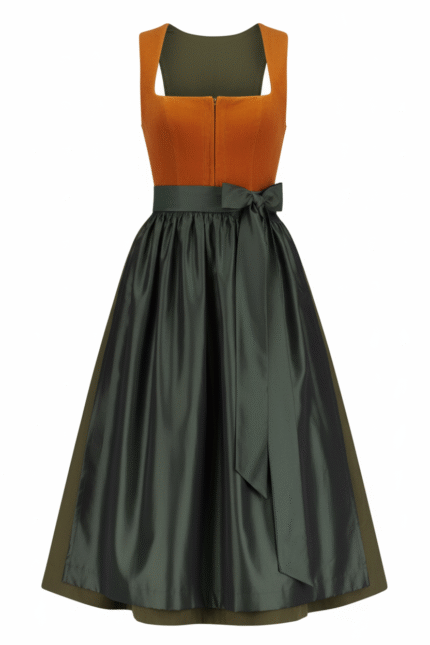
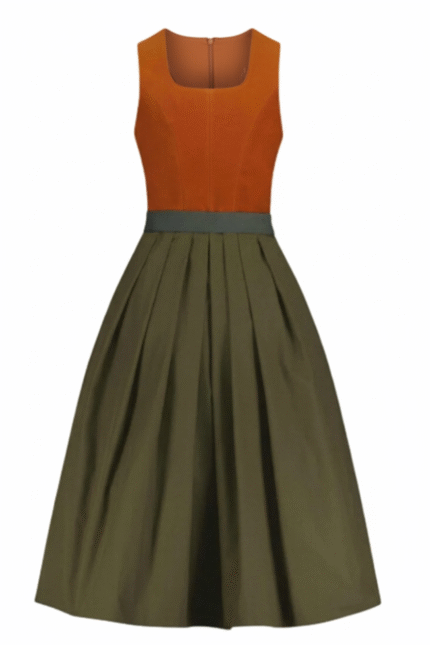
Authentic Anna Dirndl
Original price was: $ 480.00.$ 345.00Current price is: $ 345.00.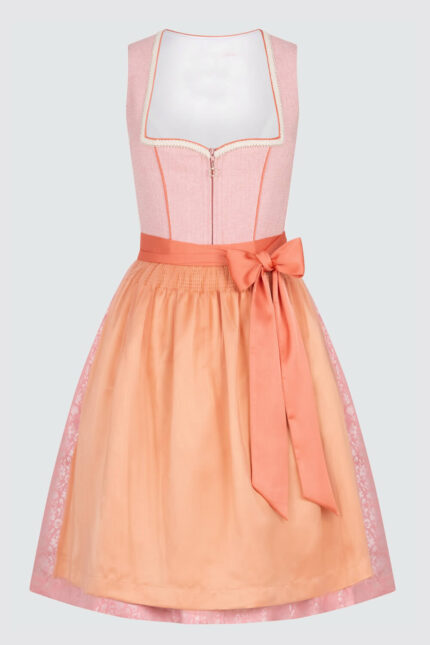
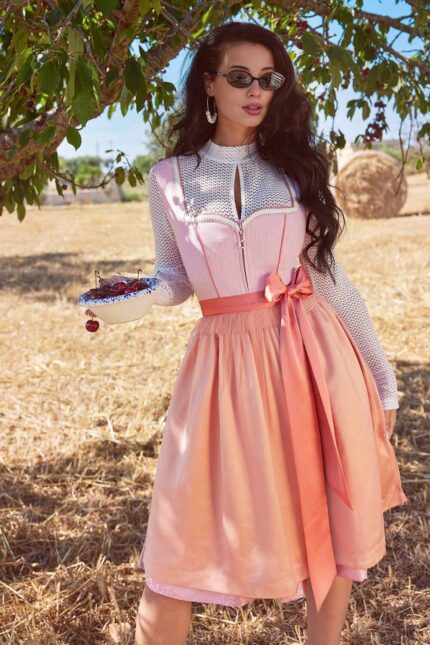
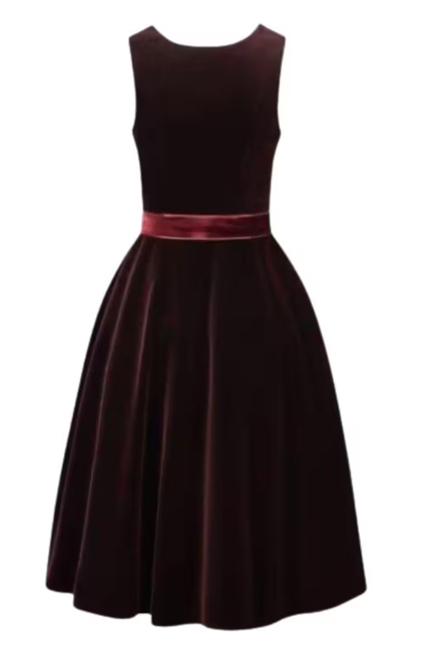
Bavaria Austrian Barbara Dirndl
Original price was: $ 499.00.$ 349.00Current price is: $ 349.00.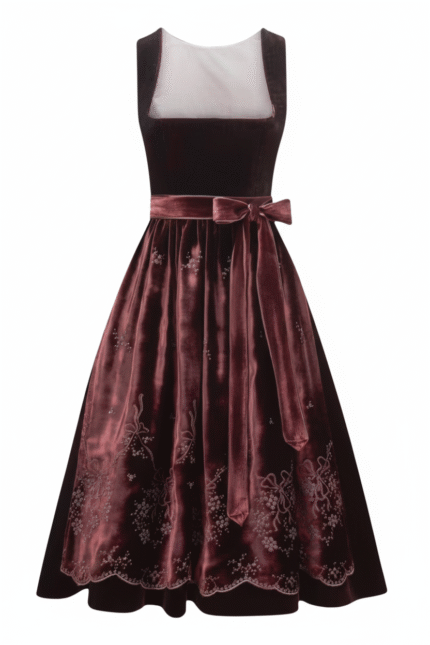
Bavaria Giulia Dirndl
Original price was: $ 489.00.$ 345.00Current price is: $ 345.00.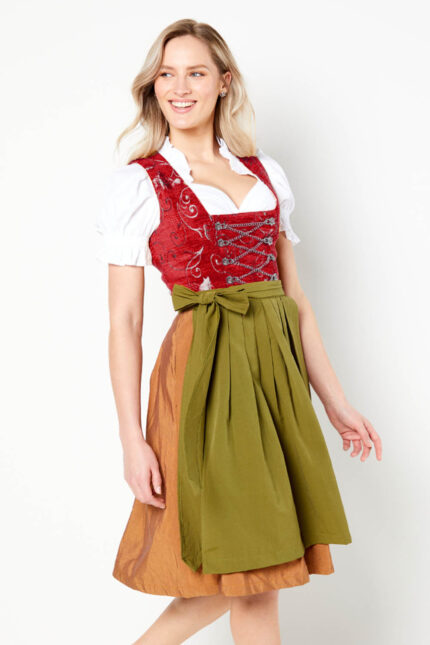

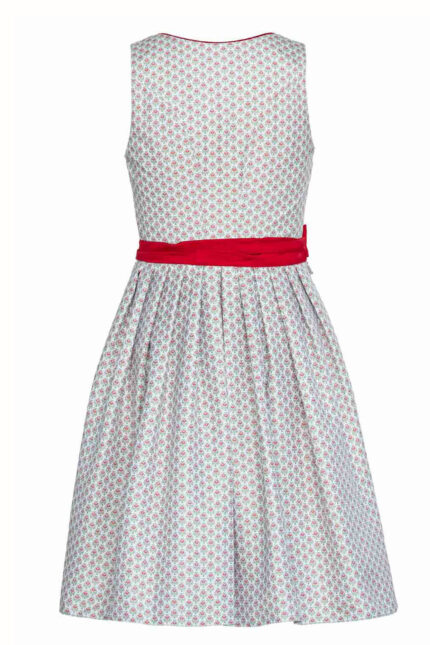
Bavaria Stefanie Giesinger Dirndl
Original price was: $ 236.00.$ 189.00Current price is: $ 189.00.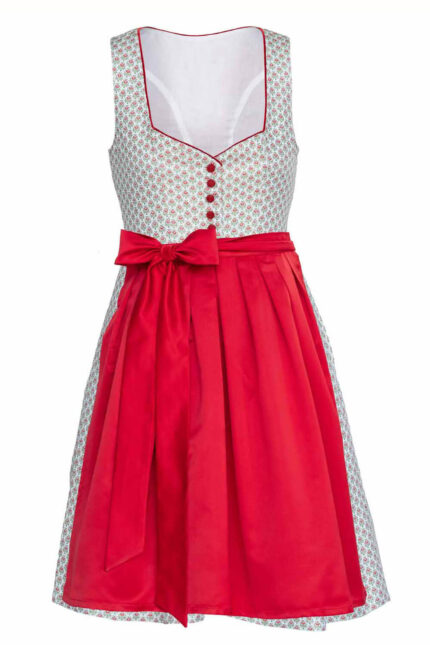
Caroline Dirndl
Original price was: $ 699.00.$ 499.00Current price is: $ 499.00.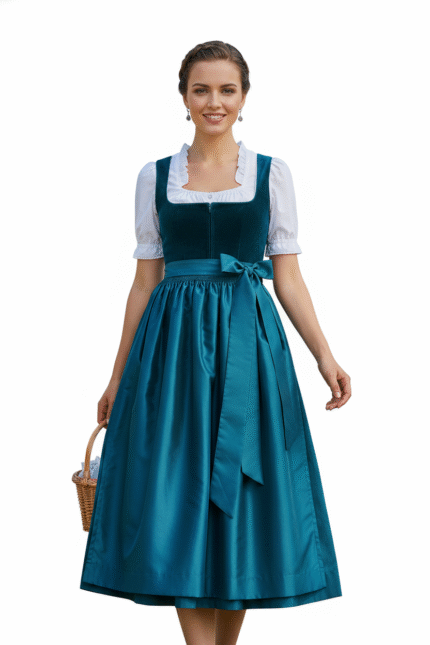
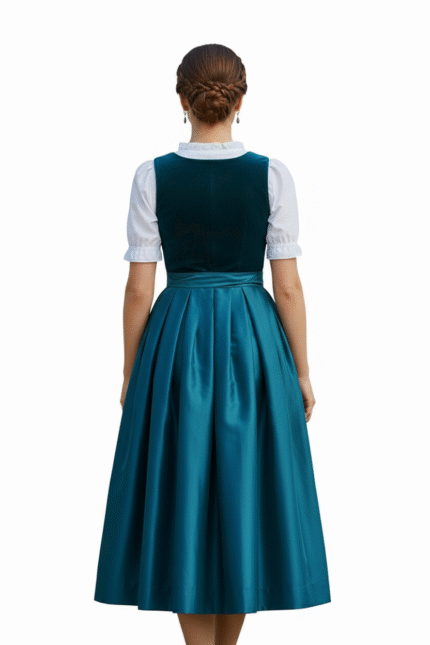
Claudia Dirndl
Original price was: $ 500.00.$ 340.00Current price is: $ 340.00.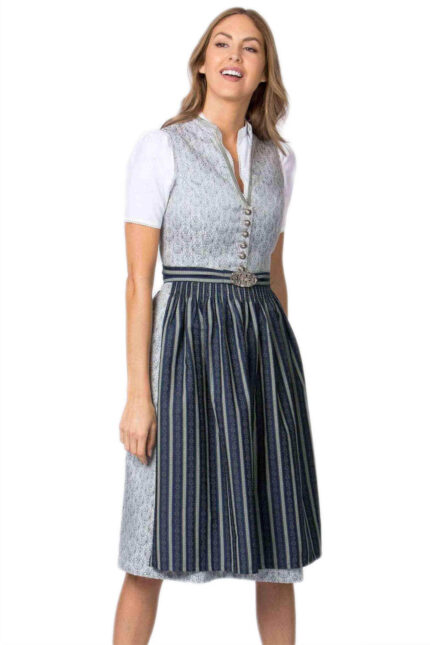

Diane Kruger Dirndl
Original price was: $ 499.00.$ 339.00Current price is: $ 339.00.
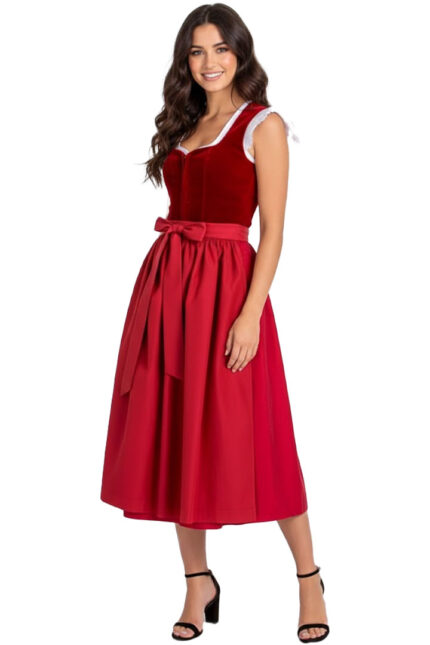
Dina Denoire Dirndl
Original price was: $ 599.00.$ 399.00Current price is: $ 399.00.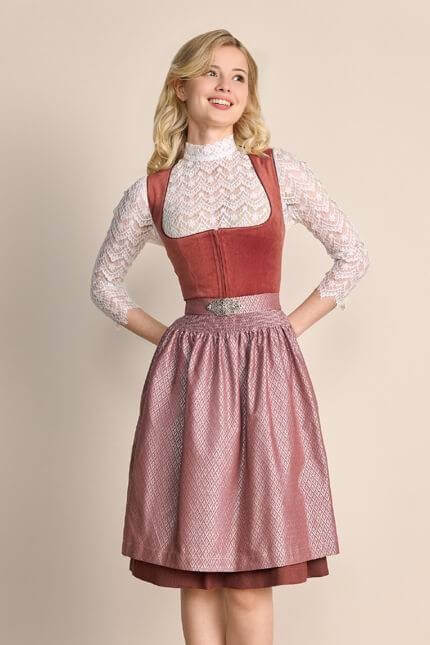
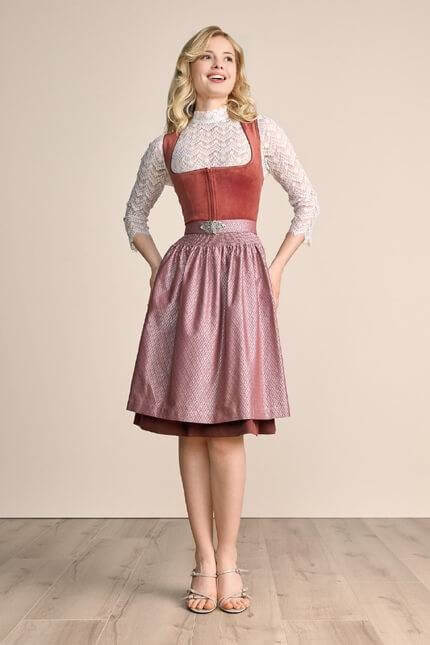
Franka Oktuberfest Drindl
Original price was: $ 400.00.$ 249.00Current price is: $ 249.00.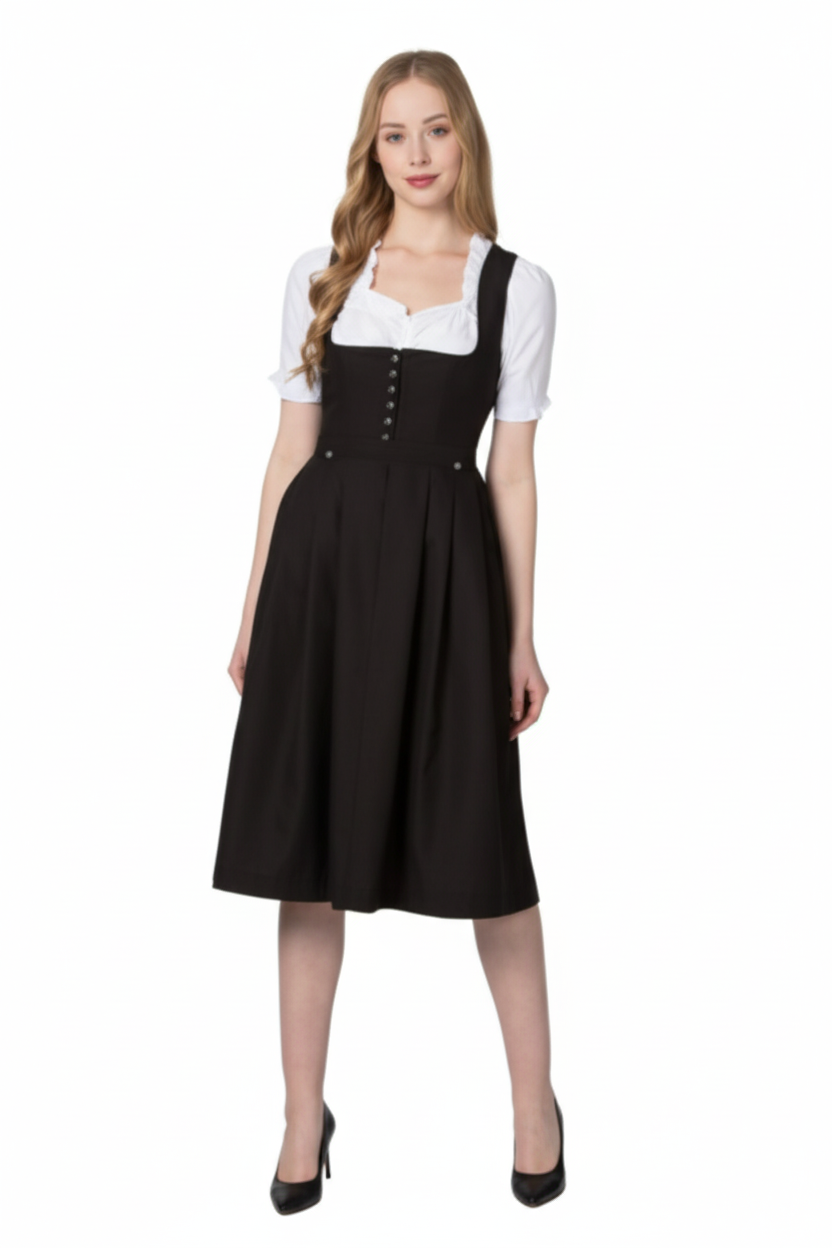
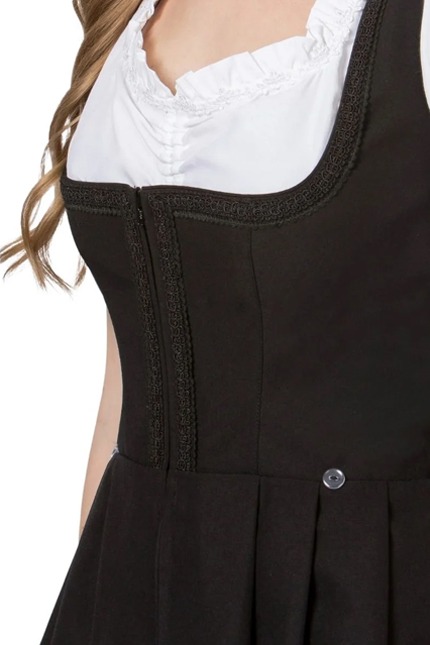
Headey Drindl
Original price was: $ 479.00.$ 349.00Current price is: $ 349.00.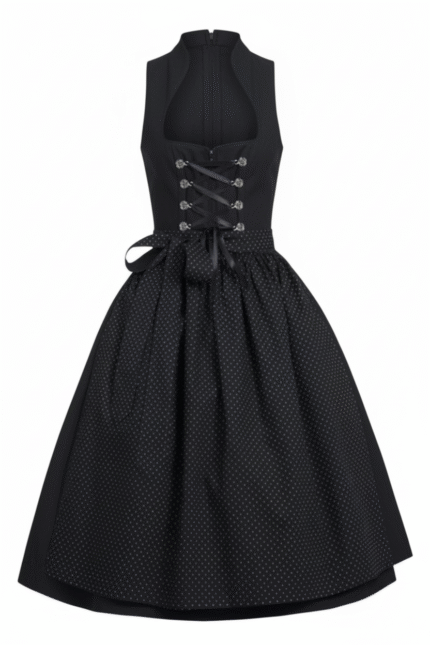
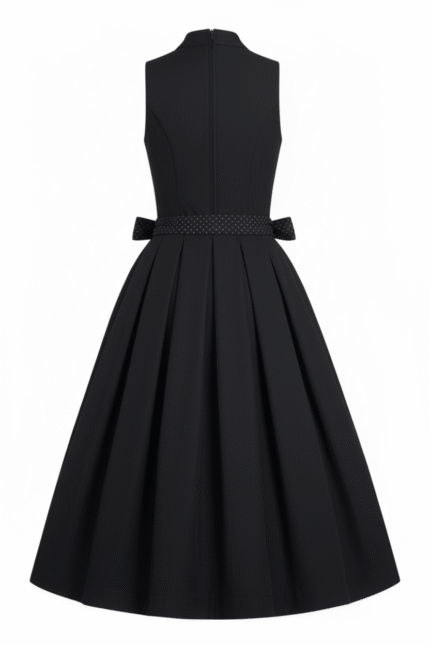
Heidi dirndl
Original price was: $ 499.00.$ 349.00Current price is: $ 349.00.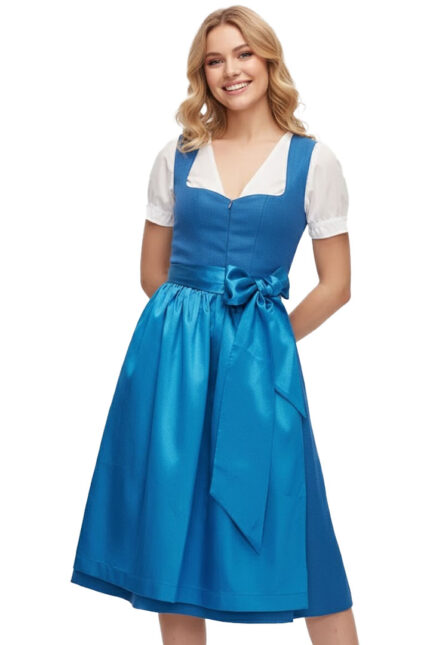
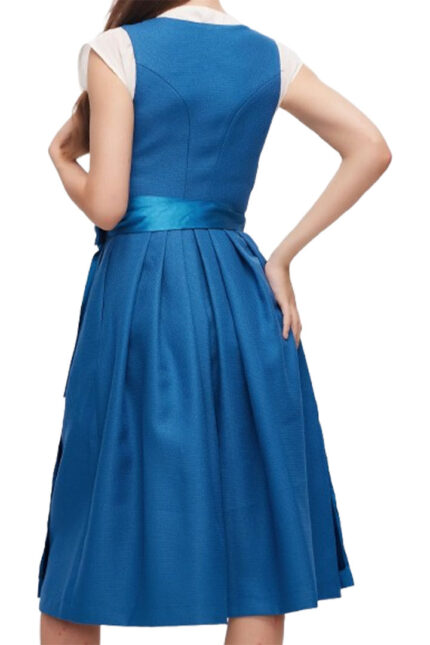
Heidi Klum Dirndl
Original price was: $ 599.00.$ 229.00Current price is: $ 229.00.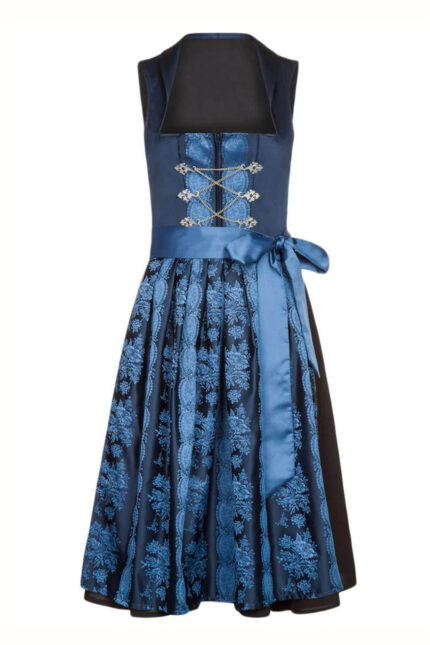
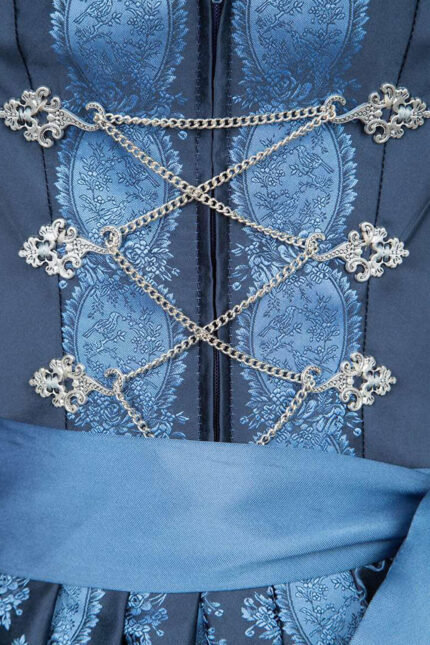
Jentsch Drindl
Original price was: $ 499.00.$ 399.00Current price is: $ 399.00.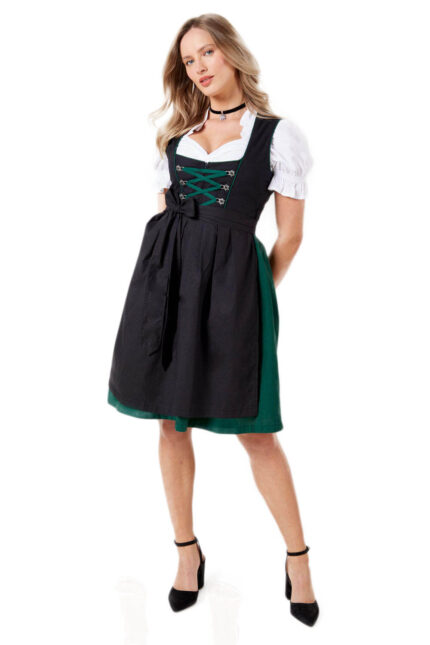

Jessica Schwarz Drindl
Original price was: $ 229.00.$ 179.00Current price is: $ 179.00.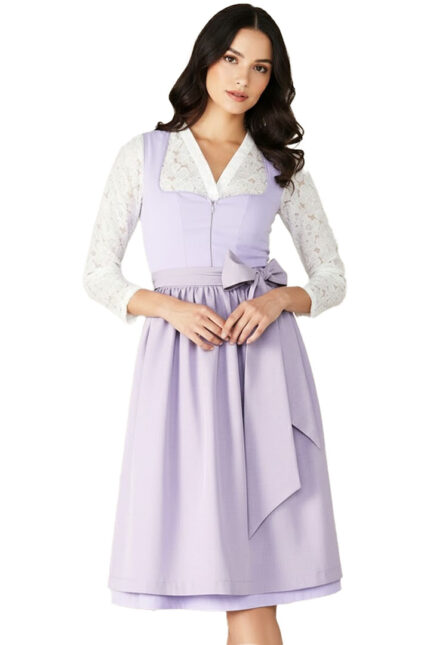
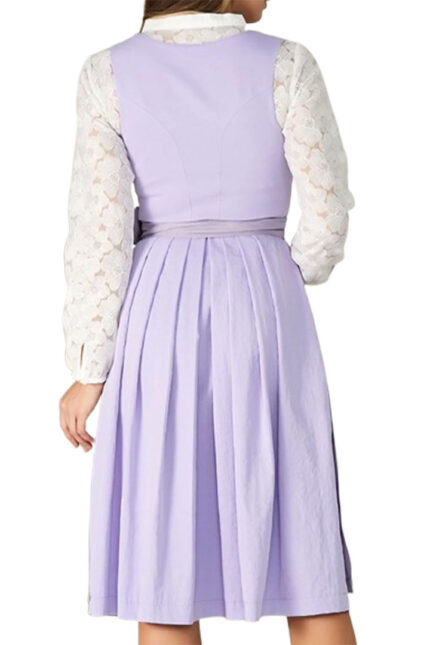
Jule Nagel Dirndl
Original price was: $ 599.00.$ 229.00Current price is: $ 229.00.

Katja Krasavice Dirndl
Original price was: $ 599.00.$ 399.00Current price is: $ 399.00.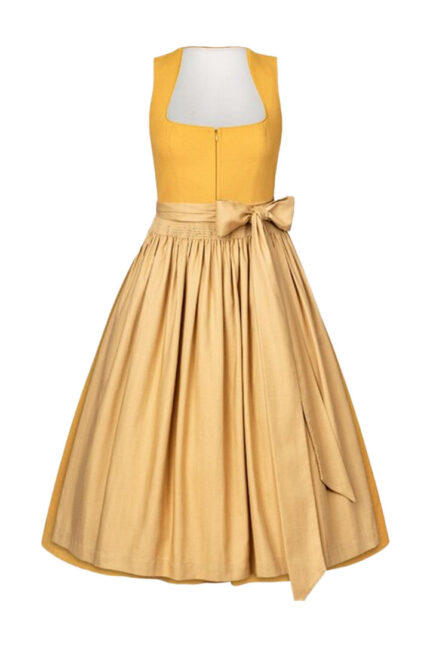
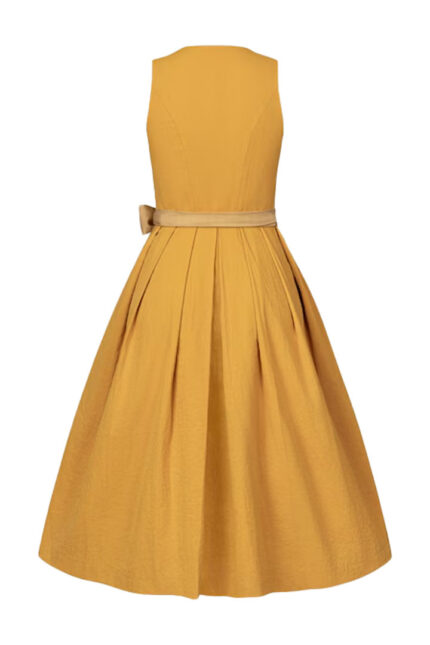
Laura Nolte Dirndl
Original price was: $ 599.00.$ 399.00Current price is: $ 399.00.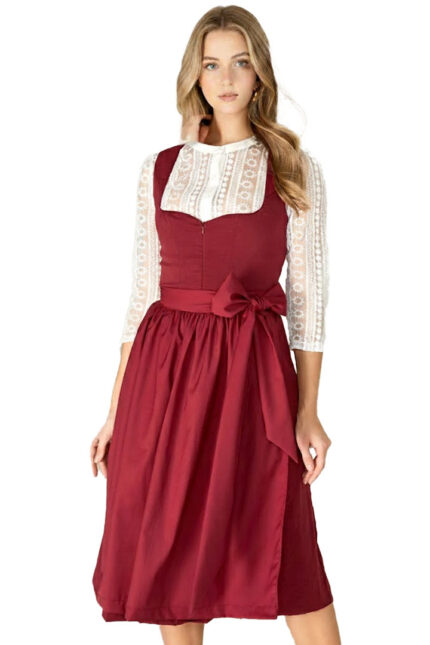
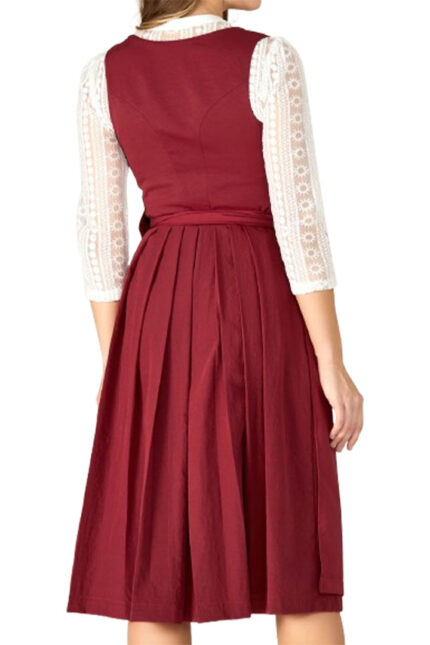
Lena Dirndl
Original price was: $ 599.00.$ 229.00Current price is: $ 229.00.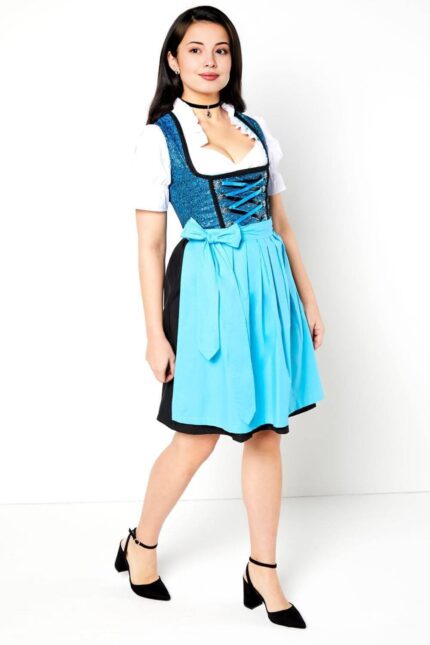
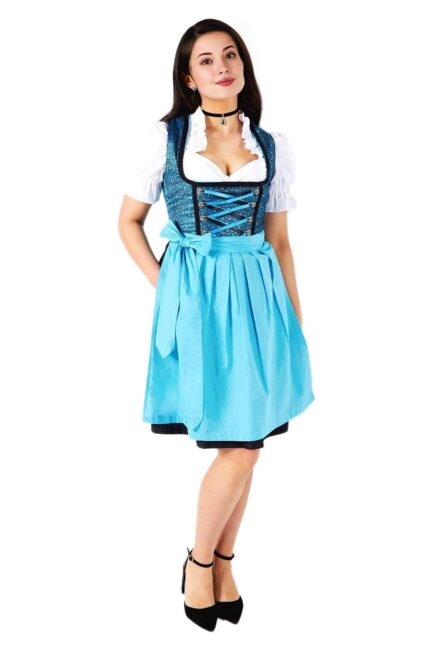
Léonie Benesch Trachten dirndl
Original price was: $ 399.00.$ 199.00Current price is: $ 199.00.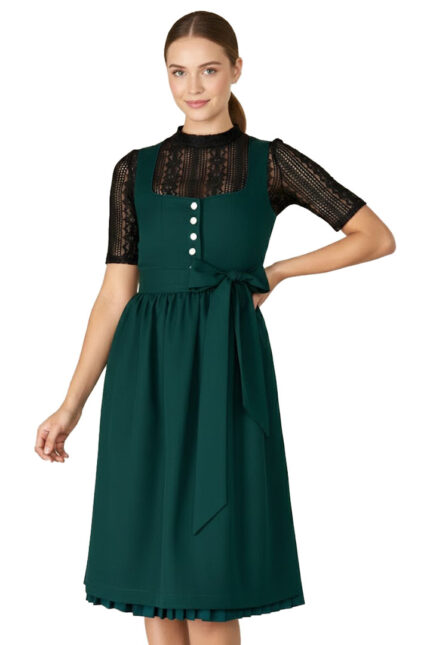

Leonie Hanne Dirndl
Original price was: $ 399.00.$ 229.00Current price is: $ 229.00.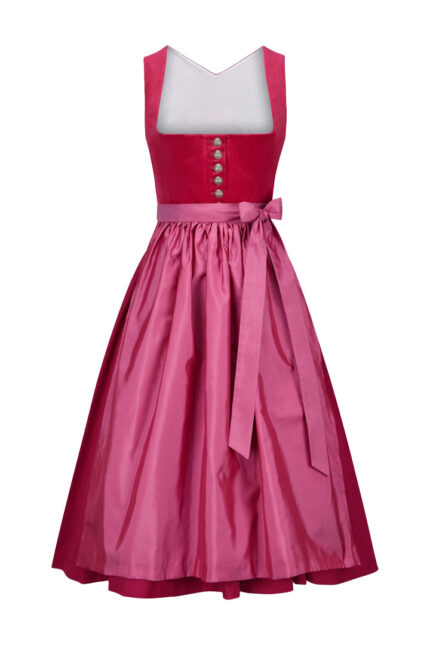
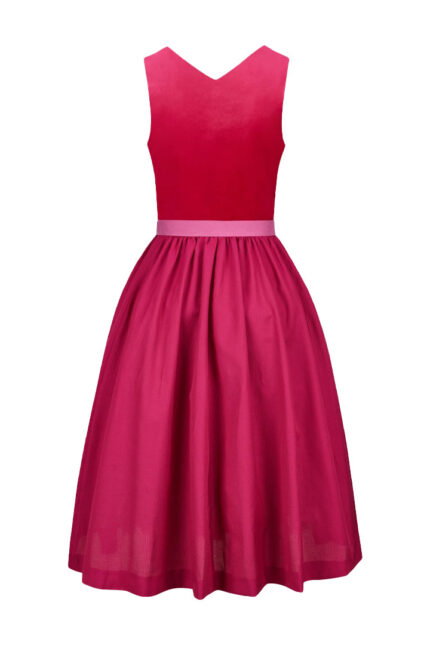
Leony Dirndl
Original price was: $ 599.00.$ 399.00Current price is: $ 399.00.
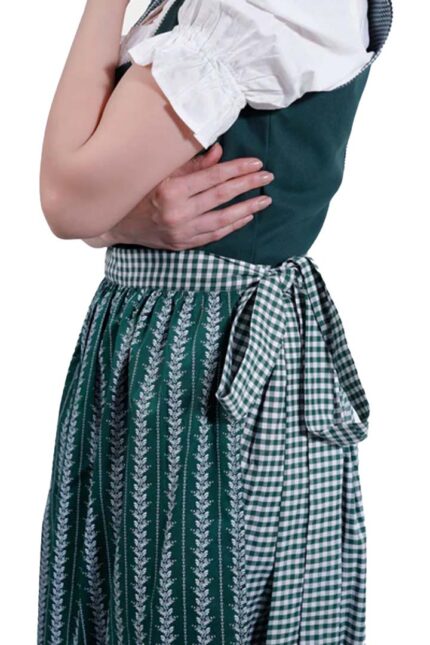
Lisa Drindl
Original price was: $ 399.00.$ 199.00Current price is: $ 199.00.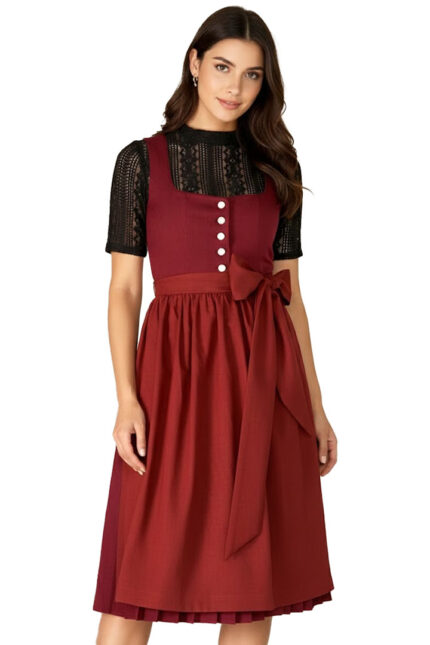
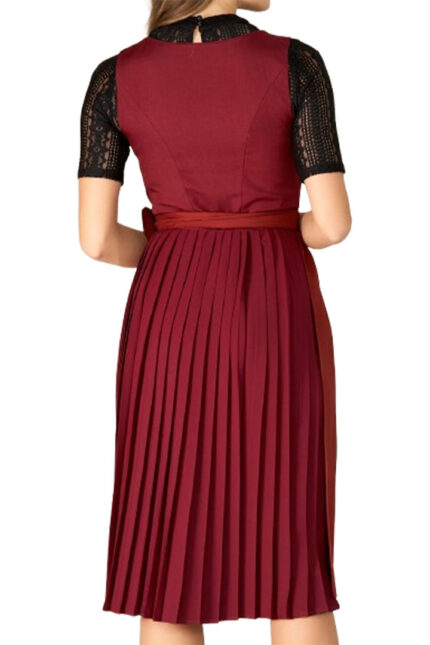
Luisa Neubauer Dirndl
Original price was: $ 599.00.$ 229.00Current price is: $ 229.00.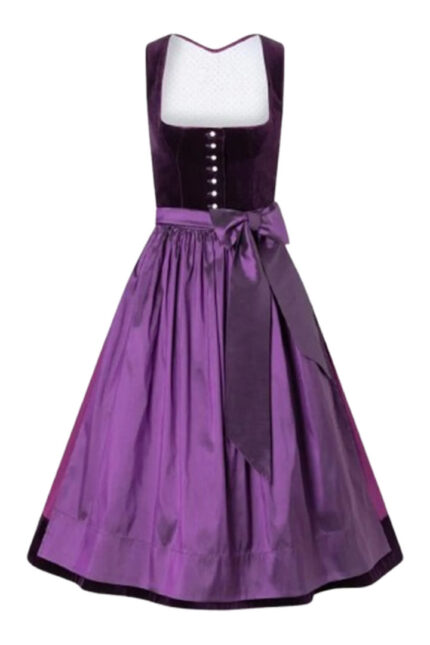
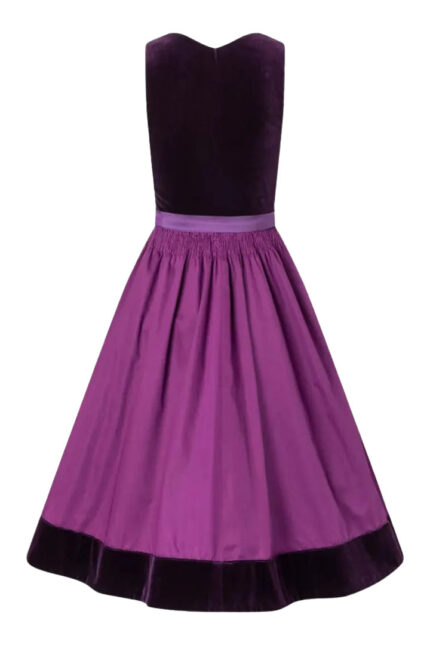
Luisa Neubauer Dirndl
Original price was: $ 599.00.$ 399.00Current price is: $ 399.00.
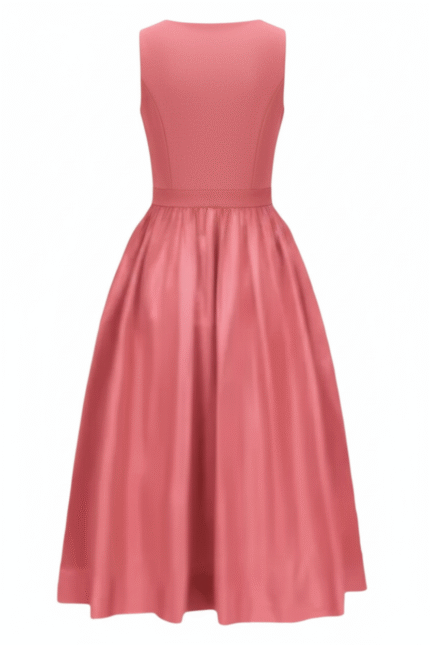
Nadine Dirndl Dress
Original price was: $ 499.00.$ 359.00Current price is: $ 359.00.
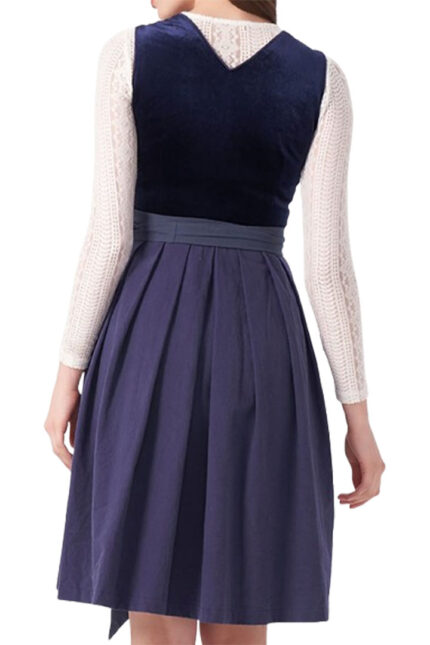
Nadja Dirndl
Original price was: $ 599.00.$ 399.00Current price is: $ 399.00.Authentic German Dirndl Dresses for Oktoberfest
The Dirndl represents one of the most iconic and beloved pieces of traditional German clothing, capturing the essence of Bavarian culture and Alpine heritage. These elegant garments have transcended their humble origins to become a global symbol of German festivities, particularly during Oktoberfest celebrations. Whether you're preparing for Munich's world-famous beer festival, attending a cultural event, or simply embracing traditional European fashion, understanding the rich history and contemporary significance of authentic Dirndl attire will enhance your appreciation for this timeless costume.
History of the Dirndl: From Workwear to Fashion Statement
The traditional Dirndl story begins in the mountainous Alpine regions spanning Germany, Austria, Switzerland, and northern Italy during the 16th to 18th centuries. Originally, these dresses served as practical workwear for peasant women, domestic servants, and farm maids who needed durable, functional clothing for daily tasks. The term itself derives from "Diernen," the 19th-century word for young women working as maids on farms.
The transformation from workwear to fashionable attire began in the early 20th century when the German Dirndl caught the attention of fashion-forward designers. Around 1910, the influential Wallach brothers recognized an opportunity to preserve traditional Alpine clothing by reimagining these garments for the upper classes. They created elegant versions using luxurious fabrics like silk and colorful printed materials, showcasing these designs in Alpine resorts where wealthy city dwellers vacationed.
A major breakthrough came in 1910 when the Wallach brothers organized the first traditional costume parade for Oktoberfest's 100th anniversary celebration. Their Bavarian Dirndl design for Princess Marie-Auguste of Anhalt created an international sensation at a Paris ball, instantly elevating the garment to haute couture status. The Oktoberfest Dirndl experienced a significant revival during the 1972 Munich Olympics when hostesses wore sky-blue designs to represent Bavarian identity. Since the 1990s, contemporary designers have created stunning modern interpretations, making it easy to buy Dirndl online with celebrities and fashion-forward individuals embracing these garments worldwide.
Understanding the Components of a Dirndl Dress
An authentic Dirndl outfit consists of four distinct components, each serving both functional and aesthetic purposes:
- Bodice: Fitted upper portion with low-cut neckline, boning for structure, and lacing or zipper closures
- Skirt: Full gathered or pleated skirt, typically midi-length, attached at the waistline
- Blouse: White or colored underlayer with puffy sleeves and complementary neckline
- Apron: Decorative overlay in various fabrics, tied at waist with meaningful bow placement
The bodice creates the signature flattering silhouette, emphasizing the natural waistline and feminine curves while the full skirt flows gracefully. The blouse can be changed to suit different occasions, weather conditions, or personal style preferences, making it the most versatile component of your outfit.
The Secret Language: Dirndl Bow Meaning
According to Oktoberfest tradition, the placement of your apron bow communicates your relationship availability. When tied on the left side, it signals you're single and available for dating. The right side indicates you're married, in a relationship, or not interested in romantic attention. A bow centered at the back traditionally represents widowhood, while a center front bow was historically worn only by children. While this custom's historical accuracy is debated among scholars, many Oktoberfest attendees still observe this playful tradition when tying their aprons, adding an interactive social element to festival celebrations.
How to Tie a Dirndl Bow
Learning the proper technique ensures your apron stays secure throughout festivities while displaying the correct relationship status message. Begin by wrapping the apron strings around your waist from front to back, then bring both strings forward to your chosen side. Cross the strings and create a simple knot, then form two loops of equal size from each string end. Tie the loops together creating a bow, adjust it to sit flat and neat against your apron, and trim excess string length if needed, leaving four to six inches hanging for a polished look.
When deciding between Dirndl bow left or right placement, choose left if you're single and want to signal availability, or right if you're taken or prefer not to be approached romantically. The tradition adds a fun, interactive element to festival celebrations, though the custom is meant to be lighthearted and playful rather than a strict social rule.
How to Wear a Dirndl: Complete Dressing Guide
Getting dressed in the correct order ensures comfort and proper fit. Start with appropriate undergarments and a strapless or low-cut bra that won't show beneath the bodice. Slip on your chosen blouse, adjusting the neckline and sleeves, then step into the skirt portion, positioning the waistband at your natural waistline. Pull the bodice over the blouse, fastening it with lacing, hooks, or zipper. Wrap the apron around your waist and tie the bow on your chosen side, then make final adjustments by smoothing fabric and ensuring everything sits comfortably.
Before heading out, verify that the bodice fits snugly without restricting breathing or causing bulging, the blouse neckline sits smoothly without bunching, and the skirt waistband rests at your natural waist without sliding down. Make sure you can sit, stand, and move comfortably with all closures properly fastened.
Choosing the Perfect Dirndl for Oktoberfest
The quintessential outfit combines a light-colored bodice with a darker skirt, accompanied by a white puffed-sleeve blouse and an edelweiss-patterned apron. This time-honored combination captures authentic Bavarian festival spirit while remaining flattering and photogenic. Traditional color combinations include royal blue with white accents, red with white trim, and forest green with cream details.
Contemporary designers have revolutionized traditional styles with innovative fabrics, unexpected color palettes, and fashion-forward details. When you buy Dirndl online, modern options include black designs with metallic accents for evening elegance, pastel shades in soft pink, mint, and lavender, bold prints featuring florals and geometric patterns, luxurious fabrics like silk and velvet, and minimalist designs with clean lines and subtle embellishments.
What to Wear with Dirndl: Complete Accessory Guide
Complete your authentic look with these essential accessories:
- Footwear: Mary Jane-style shoes, embroidered flats, or low-heeled pumps for comfort
- Hosiery: White or cream stockings, opaque tights for cooler weather
- Jewelry: Silver edelweiss brooches, traditional charm necklaces, simple stud earrings
- Hair Accessories: Floral crowns, decorative combs, felt hats with feathers, braided styles
Traditional Bavarian shoes feature intricate embroidery and comfortable construction for all-day wear at festivals. Keep jewelry simple and traditional with pieces that complement rather than overwhelm the outfit's elegant details.
Why Buy from Bavarian Attire?
When you choose Bavarian Attire for your traditional German clothing needs, you're selecting a retailer deeply committed to preserving authentic Bavarian heritage through premium quality garments. Our collection features carefully curated pieces that honor traditional craftsmanship while meeting modern quality standards, ensuring you receive clothing that's both culturally authentic and built to last.
From classic traditional designs to contemporary interpretations, our extensive inventory caters to all preferences and occasions. Whether you need an elegant outfit for Munich Oktoberfest, a sophisticated ensemble for a German wedding, or a playful costume for themed parties, we offer the perfect selection with complete outfit solutions in one convenient place.
Our commitment to competitive pricing means you'll find authentic German clothing at fair prices without compromising quality. Through direct relationships with manufacturers, we provide genuine Bavarian garments at accessible price points that represent outstanding value. Every piece features durable construction, quality materials, and meticulous attention to detail that ensures your investment lasts for years of festival celebrations.
Dirndl Care Instructions: Maintaining Your Investment
Most authentic garments require professional dry cleaning to maintain their structure and preserve delicate fabrics, particularly those with structured, boned bodices, silk or velvet materials, intricate embroidery or beadwork, or hand-sewn traditional details. Always check manufacturer care instructions before attempting home cleaning.
How to Clean Dirndl: Practical Methods
For minor stains and freshening between professional cleanings, blot fresh stains immediately with a clean, damp cloth rather than rubbing. Mix mild dish soap with cool water for beer and beverage spills, gently dabbing the affected area. Apply a small amount of gentle stain remover specifically designed for delicate fabrics for food stains. Hang outdoors in fresh air or in a steamy bathroom to release festival odors, and use a handheld steamer on low heat for wrinkle release, holding it several inches from fabric.
For washable cotton or synthetic blends, fill a clean basin with cool water and gentle detergent designed for delicate fabrics. Separate components and wash bodice, skirt, apron, and blouse individually. Submerge one piece at a time, gently swishing without wringing or twisting, letting soak for ten to fifteen minutes maximum. Rinse thoroughly in cool, clean water until all soap is removed, press water out gently between clean towels, and lay flat on clean towels to air dry, reshaping as needed while keeping away from direct sunlight and heat sources.
Embracing German Heritage Through Fashion
The Dirndl represents more than just clothing—it embodies centuries of Alpine tradition, cultural pride, and feminine elegance. Whether you're of German descent celebrating your heritage or simply appreciating beautiful traditional fashion, wearing a Dirndl connects you to a rich cultural legacy that continues evolving while honoring its roots. Modern fashion celebrates inclusivity, with styles available for all body types, ages, and personal aesthetics. From traditional purists to contemporary fashion lovers, there's a perfect option waiting to help you celebrate German culture in style.
Authentic German dresses offer a beautiful way to participate in traditional Bavarian celebrations while looking elegant and feeling confident. Understanding the history, components, and styling options ensures you'll choose the perfect outfit for your needs. Whether attending Munich's legendary Oktoberfest, celebrating at a local beer festival, or honoring German heritage at cultural events, your attire becomes more than an outfit—it becomes part of your celebration story.