

Why Do People in Bavaria Wear Trachten? The Complete Cultural Guide to Traditional Bavarian Clothing

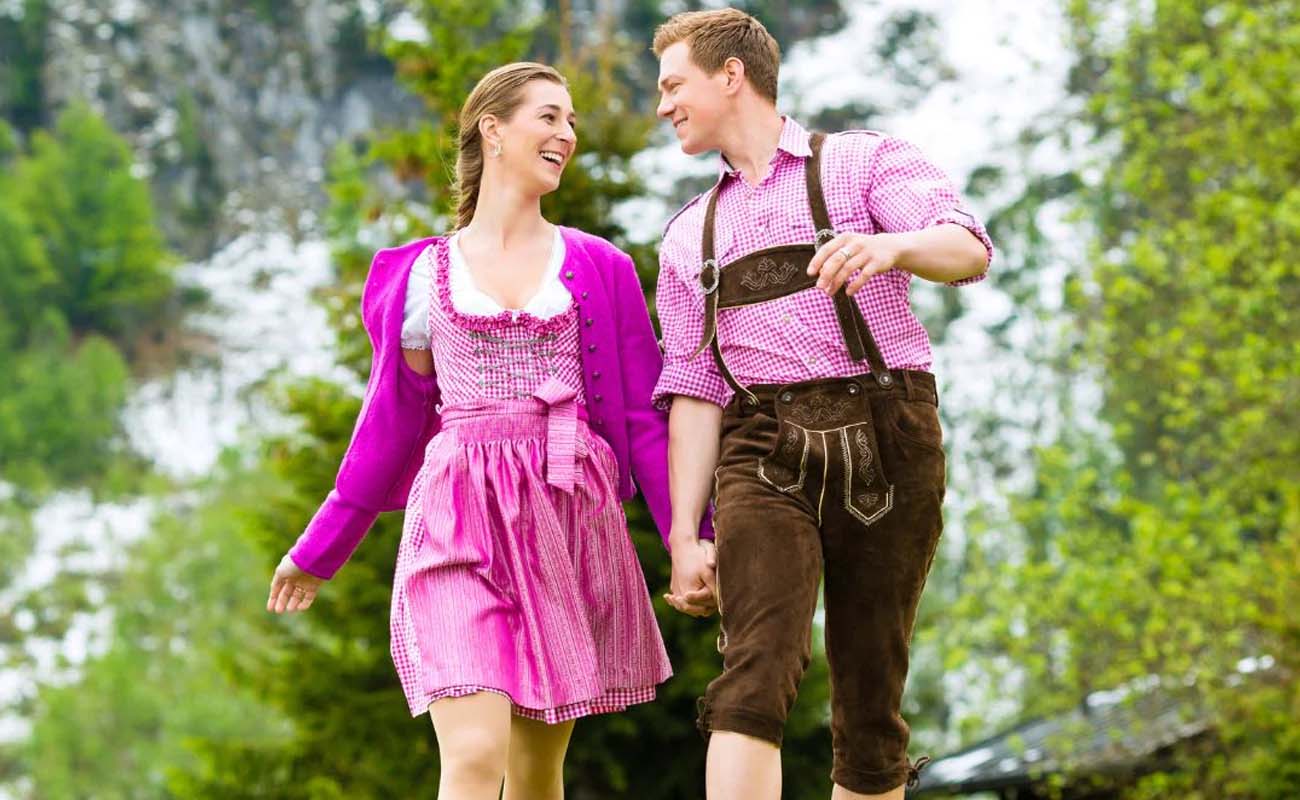
When you think of Germany, images of leather shorts, colorful dresses, and traditional Alpine attire likely come to mind. But why do people in Bavaria wear trachten? This traditional clothing represents far more than festival costumes—it embodies centuries of cultural heritage, regional pride, and a living connection to Bavarian identity. Understanding the significance of trachten clothing helps us appreciate one of Europe’s most recognizable cultural traditions that continues to thrive in modern times.
The sight of men in lederhosen and women in dirndls has become synonymous with Bavarian culture, particularly during celebrations like Oktoberfest. However, the story behind these traditional garments extends far beyond beer festivals and tourism. Trachten represents a complex tapestry of history, social customs, regional variations, and cultural preservation efforts that have shaped Bavarian identity for generations. From humble origins as practical workwear to their current status as beloved symbols of cultural pride, these traditional clothes have undergone a remarkable transformation while maintaining their essential character and deep meaning.
What Is Trachten? Understanding Traditional Bavarian Clothing
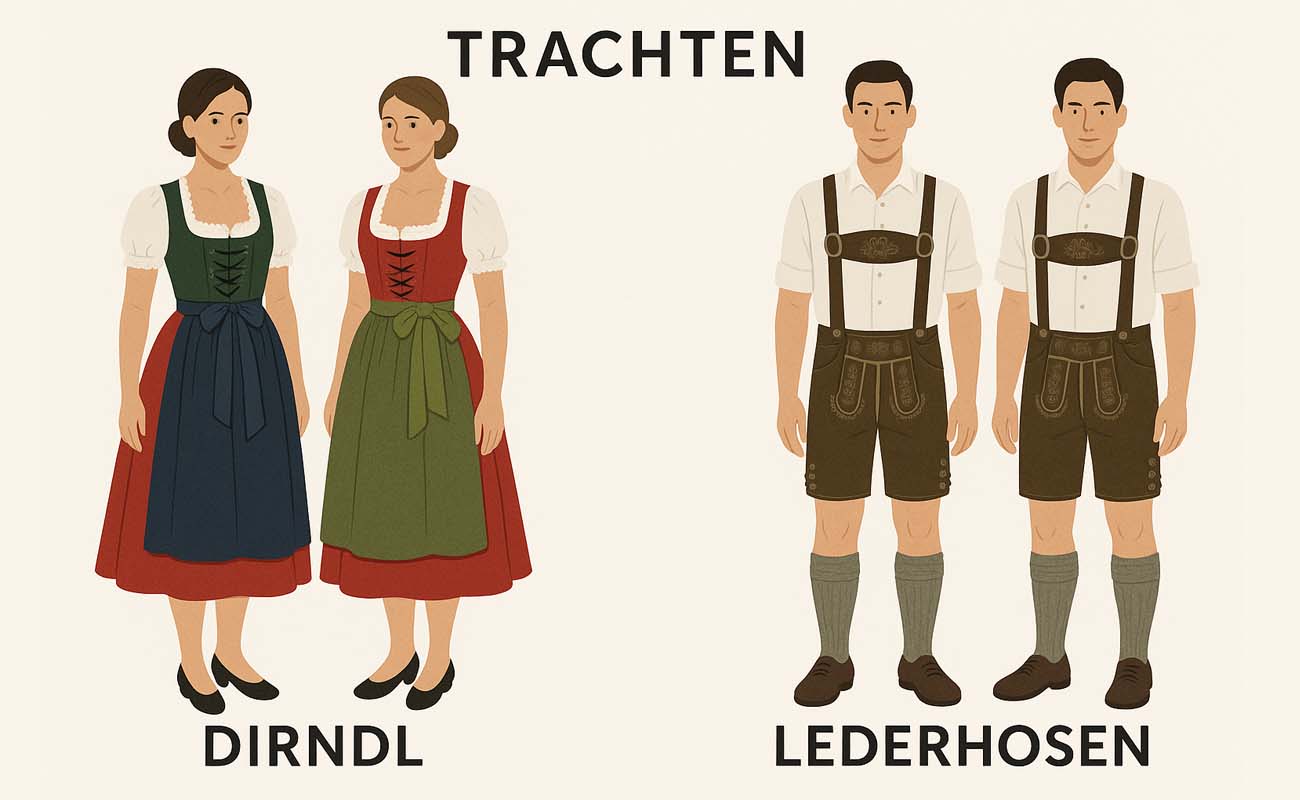
Trachten refers to traditional garments worn in German-speaking regions, particularly in Bavaria, Austria, and Alpine areas. The word “trachten” comes from the German verb “tragen,” meaning “to carry” or “to wear.” This traditional clothing encompasses various regional styles, with the most iconic pieces being lederhosen for men and dirndl dresses for women.
Unlike simple costumes, authentic Bavarian trachten represents a strictly defined form of dress that differs between various parts of Bavaria and Austria. These traditional outfits were historically worn daily by men, women, and children in Alpine regions, serving both practical and social functions. The garments were designed to withstand the harsh conditions of mountain life while also reflecting the wearer’s regional affiliation, social status, and personal circumstances.

Six Official Types of Bavarian Alpine Trachten:
- Miesbacher Tracht – distinctive blue and white patterns from the Miesbach region
- Werdenfelser Tracht – traditional style from the Garmisch-Partenkirchen area
- Inntaler Tracht – Inn Valley traditional style with unique embroidery
- Chiemgauer Tracht – Chiemsee lake region design featuring aquatic motifs
- Berchtesgadener Tracht – southeastern Bavarian style known for elaborate decorations
- Isarwinkler Tracht – Isar Valley traditional clothing with distinctive colors
The distinction between authentic historic dress and modern Bavarian fashion remains important. Genuine trachten follows specific design traditions passed down through generations, with strict guidelines maintained by regional Trachtenvereine (traditional costume associations). These organizations ensure that authentic designs, materials, and construction methods are preserved. Contemporary versions blend traditional elements with modern styling, making trachten more accessible and wearable for everyday occasions. Both approaches serve the purpose of celebrating and preserving Bavarian cultural heritage, though in different ways that appeal to different audiences and situations.
The Historical Origins of Bavarian Trachten: From Peasant Clothing to Cultural Symbol
The history of Bavarian trachten reveals a fascinating transformation from practical workwear to beloved cultural symbol. Lederhosen and dirndl both originated as functional clothing for rural populations during the Middle Ages and early modern period, when practicality and durability mattered far more than fashion or cultural symbolism.
Lederhosen, meaning “leather breeches” in German, were created as durable workwear for Alpine farmers, hunters, and laborers who needed clothing that could withstand the demanding conditions of mountain life. These leather shorts could endure harsh conditions in rugged terrain, resist tears from thorny bushes and rough surfaces, and repel water better than cloth fabrics available at the time. The garments were made primarily from tanned deerskin or goatskin, chosen for their exceptional durability and flexibility. The leather was treated using traditional methods involving natural materials like tree bark, which gave the fabric its distinctive character, pleasant aroma, and long-lasting quality that made lederhosen a worthwhile investment for working people.
What began as purely practical clothing eventually evolved into elaborate garments featuring intricate embroidery and decorative elements. As communities developed distinct regional identities, craftspeople began adding decorative touches that reflected local flora, fauna, and cultural motifs. The embroidery served not just aesthetic purposes but also helped identify the wearer’s home region, family affiliations, and sometimes even occupation.
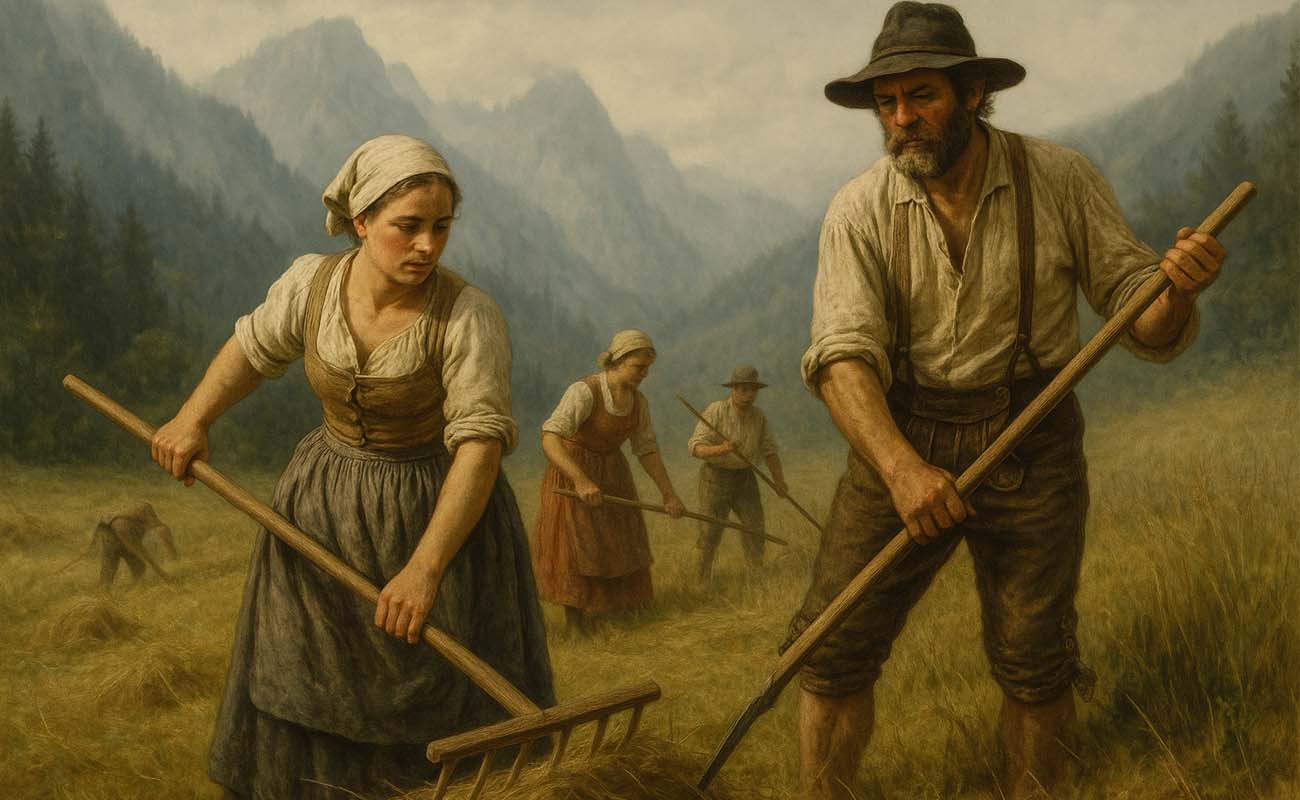
Dirndl dresses similarly started as simple work clothing for Alpine peasants and servants during the 16th to 18th centuries. The name “dirndl” is a diminutive of “Dirn(e),” originally meaning “young woman” in Bavarian dialect, which eventually became associated with the dress itself. The traditional dirndl consists of a close-fitting bodice that provided support during physical labor, a blouse worn underneath for modesty and layering, a wide high-waisted skirt that allowed freedom of movement, and an apron that protected the dress during work. Initially made from durable wool and simple fabrics that could withstand repeated washing and hard use, these dresses represented practical clothing for farm workers, dairy maids, and household staff who needed garments that combined functionality with basic decency.
By the 19th century, everything changed dramatically. The rise of Romanticism and growing national pride in Bavaria transformed trachten from everyday peasant wear into powerful symbols of Bavarian identity. This cultural shift occurred partly as a response to French fashion domination and the humiliations suffered during the Napoleonic Wars, when German-speaking territories were occupied, reorganized, and culturally influenced by French forces. German-speaking peoples investigated their cultural heritage as a reaffirmation of their identity, leading to a flowering of research and artistic work centered around Germanic cultural traditions, folklore, and traditional dress.
Royal Endorsement and the Trachten Revival Movement
The preservation and promotion of Bavarian trachten owes much to royal patronage and organized cultural movements in the 19th century. King Ludwig I of Bavaria and his successors played pivotal roles in elevating traditional costume from rustic clothing to respected cultural attire that could be worn with pride in the most distinguished settings.
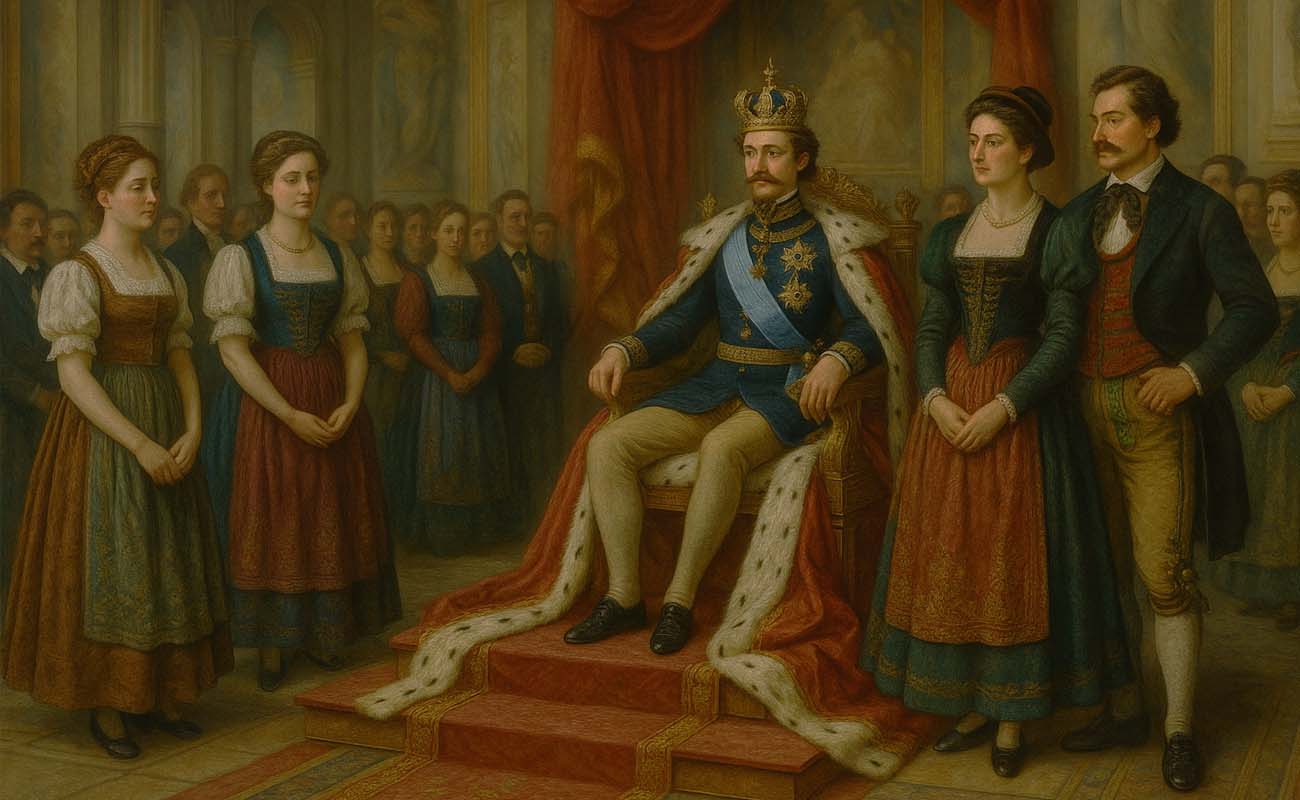
Under King Maximilian II, who reigned from 1848 to 1864, traditional costumes were officially recognized as clothing suitable for wearing at the royal court—a revolutionary step that legitimized trachten in upper-class society. The king himself included officials wearing trachten in his court ceremonies and wrote in 1849 that he considered the wearing of traditional dress of “great importance” for national sentiment and cultural preservation. This royal endorsement legitimized trachten as appropriate attire beyond rural settings, opening doors for traditional clothing to be worn at formal occasions, government functions, and social events that previously required European court dress.
King Ludwig II continued this tradition by actively promoting traditional clothing and frequently wearing trachten himself during visits to the Alps and rural Bavaria. His genuine appreciation for Bavarian culture and traditions helped popularize trachten among both nobility and common people. King Ludwig III famously wore lederhosen on trips to the mountainous regions to show support for their preservation and to demonstrate his connection with ordinary Bavarians. These weren’t merely fashion choices or political gestures—they represented sincere public displays of national pride and efforts to connect with Bavarian roots in an era when traditional cultures faced pressure from industrialization and urbanization.
The organized trachten movement began in 1859 when the first association to promote traditional costume was founded in Miesbach, Bavaria. These organizations, called “Trachtenvereine,” dedicated themselves to preserving and promoting traditional clothing, documenting regional variations, maintaining standards of authenticity, and teaching younger generations about proper wearing customs. In the following years, similar trachten associations were established throughout Germany and Austria, creating a network of cultural preservation societies. The first umbrella organization for trachten associations was founded in 1890, creating a coordinated network that continues to protect traditional designs and customs today, ensuring that authentic trachten knowledge isn’t lost to commercialization or simplification.
School teacher Joseph Vogl played a crucial role in this movement. In 1883, he established the Association for the Preservation of the National Costume in the Leitzach Valley and Bayrischzell to preserve Alpine traditions that he saw disappearing in the face of modernization. This association became the model for other preservation clubs that spread across the outer edges of the Eastern Alps, from Munich to Salzburg and Vienna, creating an interconnected network of cultural guardians committed to maintaining traditional ways.
Why Do Bavarians Wear Trachten Today? Cultural Pride and Identity
The reasons people in Bavaria wear trachten today extend far beyond tourism or festival requirements. Traditional Bavarian clothing represents a powerful expression of cultural identity, regional pride, and connection to heritage that resonates deeply with locals and increasingly with visitors seeking authentic cultural experiences.
For many Bavarians, wearing trachten is an affirmation of their regional identity and cultural roots in an increasingly globalized world. The clothing serves as a tangible link to ancestors who wore similar garments, to the landscapes and traditions that shaped Bavarian culture, and to a sense of belonging that transcends modern national boundaries. After World War II, there was often shame associated with German identity due to the crimes of the Nazi regime and the collective guilt that weighed heavily on post-war generations. In recent decades, however, there has been a gradual celebration of being German and specifically Bavarian, with people finding ways to express cultural pride that focus on positive traditions rather than problematic nationalism.
This “new patriotism” became particularly evident during events like the 2006 FIFA World Cup hosted in Germany, where traditional clothing appeared as a symbol of German hospitality rather than aggressive nationalism. Culture historian Peter Peter notes that a new generation has emerged that didn’t experience the war and can appreciate traditions like sauerkraut and dirndls without the negative associations that burdened previous generations. The Oktoberfest, with its enormous number of beer consumers from around the world, has become a wonderful example of a new Germany that combines iconic tradition with open-mindedness and international welcome. It brings people and peoples together more than football, serving as a symbol of German hospitality, celebration, and cultural sharing rather than exclusionary nationalist sentiment.
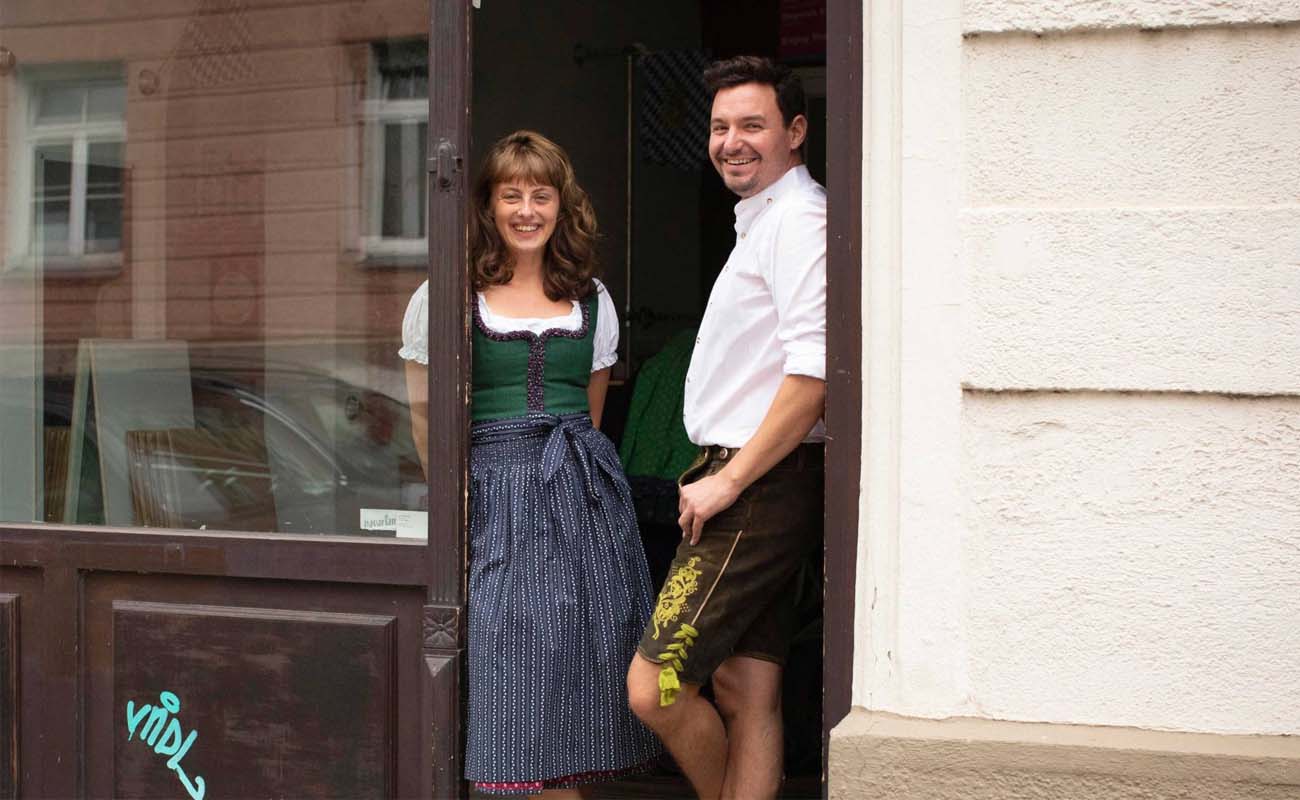
Wearing trachten also provides a profound sense of community and belonging that many people find lacking in modern anonymous urban life. When everyone dresses in similar traditional attire at festivals and celebrations, it creates immediate warmth and companionship among strangers. This shared experience connects wearers to centuries of tradition and to each other, fostering the sense of “Heimat”—a uniquely German concept encompassing homeland, belonging, roots, and cultural connection that goes far deeper than simply the place where you were born. Heimat represents an emotional and spiritual connection to place, people, and tradition that provides meaning and identity in a rapidly changing world.
By 2013, it had become standard for every young Bavarian to have traditional clothing in their wardrobe, representing a remarkable shift from previous decades when trachten was often seen as old-fashioned or exclusively for older generations. This increased interest reflects not just nostalgia but a genuine desire to connect with and preserve cultural heritage in meaningful ways. Young people proudly wear dirndls and lederhosen, merging their regional heritage with a modern lifestyle that includes technology, travel, and contemporary values. This fusion demonstrates that tradition and modernity need not conflict but can complement each other, enriching both.
Get Details: Did Jews Wear Lederhosen?
Trachten and Oktoberfest: The Famous Beer Festival Connection
The connection between trachten and Oktoberfest represents one of the most visible aspects of traditional Bavarian clothing today, creating the global image of Bavarian culture that millions recognize. However, this strong association developed over time rather than existing from the festival’s inception, reflecting changing attitudes toward traditional clothing over two centuries.
The first Oktoberfest took place in October 1810 to celebrate the marriage of Crown Prince Ludwig of Bavaria to Princess Therese of Saxe-Hildburghausen. The fields where the celebration occurred were named Theresienwiese (Theresa’s meadow) in honor of the bride, and this name persists today. Interestingly, the citizens of Munich who were invited to the festivities were actually supplied with French clothes, as their folk costumes were not considered suitable or respectable for public occasions at that time. The dirndl as we know it didn’t even exist yet, having roots in the late 19th century when urban interest in rural traditions began growing.
The trachten-Oktoberfest connection solidified in 1887 when Munich officially declared lederhosen and dirndl as the traditional attire for festival attendees. This decision was part of the broader cultural preservation movement sweeping Bavaria, as educated urban residents began romanticizing rural life and seeking to preserve what they saw as authentic Germanic culture. At the end of the 19th century, the first Trachtenvereine performed at Oktoberfest to entertain guests with traditional music, dance, and customs, though it still wasn’t fashionable for regular visitors to wear traditional clothing. Trachten remained primarily the domain of rural residents, cultural enthusiasts, and members of preservation societies.
The real boom in Oktoberfest trachten came with a clever marketing strategy surrounding the 1972 Summer Olympics in Munich. The city needed a unique symbol to represent Munich and Bavaria on the world stage during this massive international event. They chose pretty girls in elegant dirndls as cultural ambassadors, led by hostesses including Silvia Sommerlath (later Queen Silvia of Sweden), who wore sky-blue dirndls as a promotion of Bavarian identity and hospitality. This campaign successfully linked dirndl and lederhosen with Oktoberfest in the global imagination, creating the iconic image that persists today in tourism marketing, international Oktoberfest celebrations, and popular culture depictions of Bavarian culture.
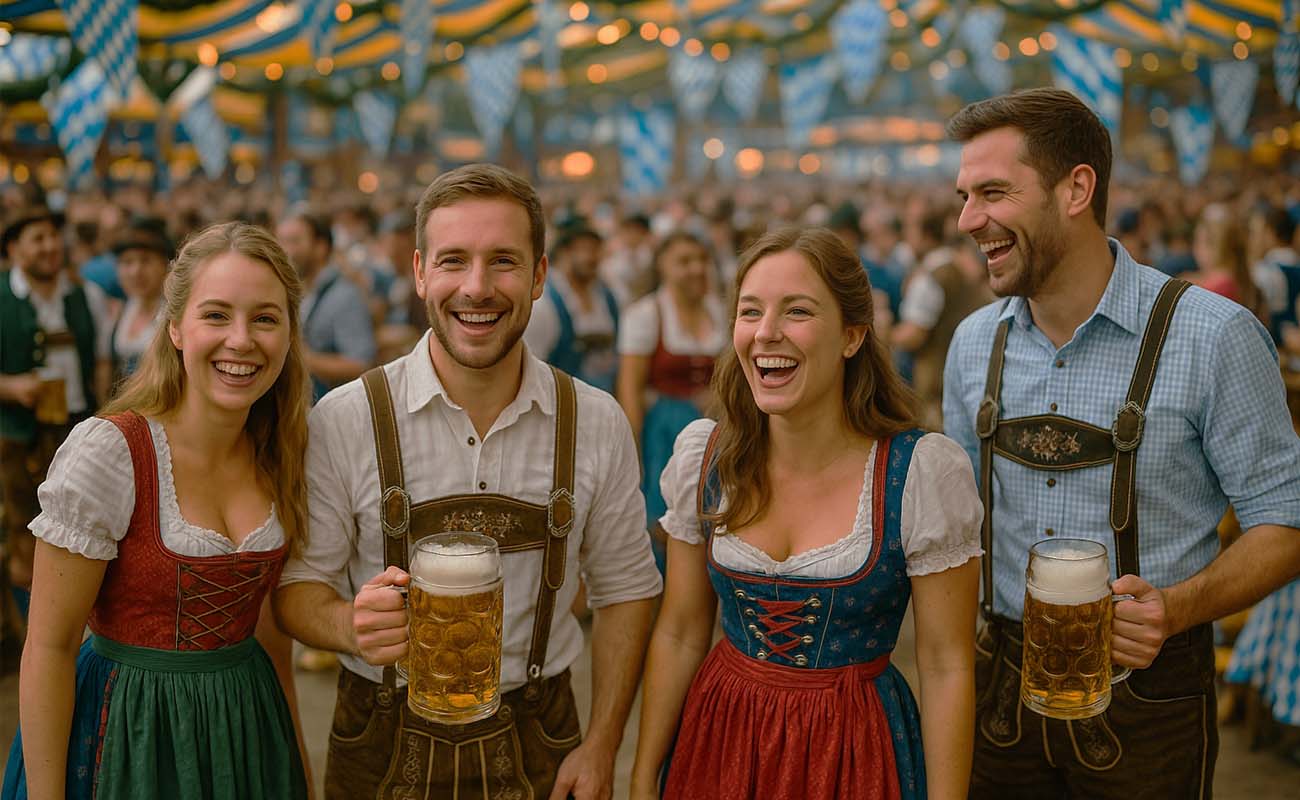
Today, wearing trachten to Oktoberfest has become almost expected, though not mandatory. Studies show that by 2004, approximately 50% of Oktoberfest attendees were wearing trachten for the first time in the festival’s modern history, with enthusiasm increasing dramatically every year. The tradition has spread globally, with Oktoberfest celebrations worldwide featuring participants in Bavarian traditional dress, from authentic pieces to costume versions. This globalization has both promoted Bavarian culture internationally and created concerns about commercialization and the dilution of authentic traditions.
The Symbolism Behind Trachten: Hidden Meanings in Traditional Bavarian Dress
Bavarian trachten is remarkably rich with symbolism, with various elements conveying specific meanings about the wearer’s status, regional affiliation, and personal circumstances. Understanding these symbols adds profound depth to appreciating traditional Bavarian clothing and helps modern wearers connect more meaningfully with the traditions they’re embracing.
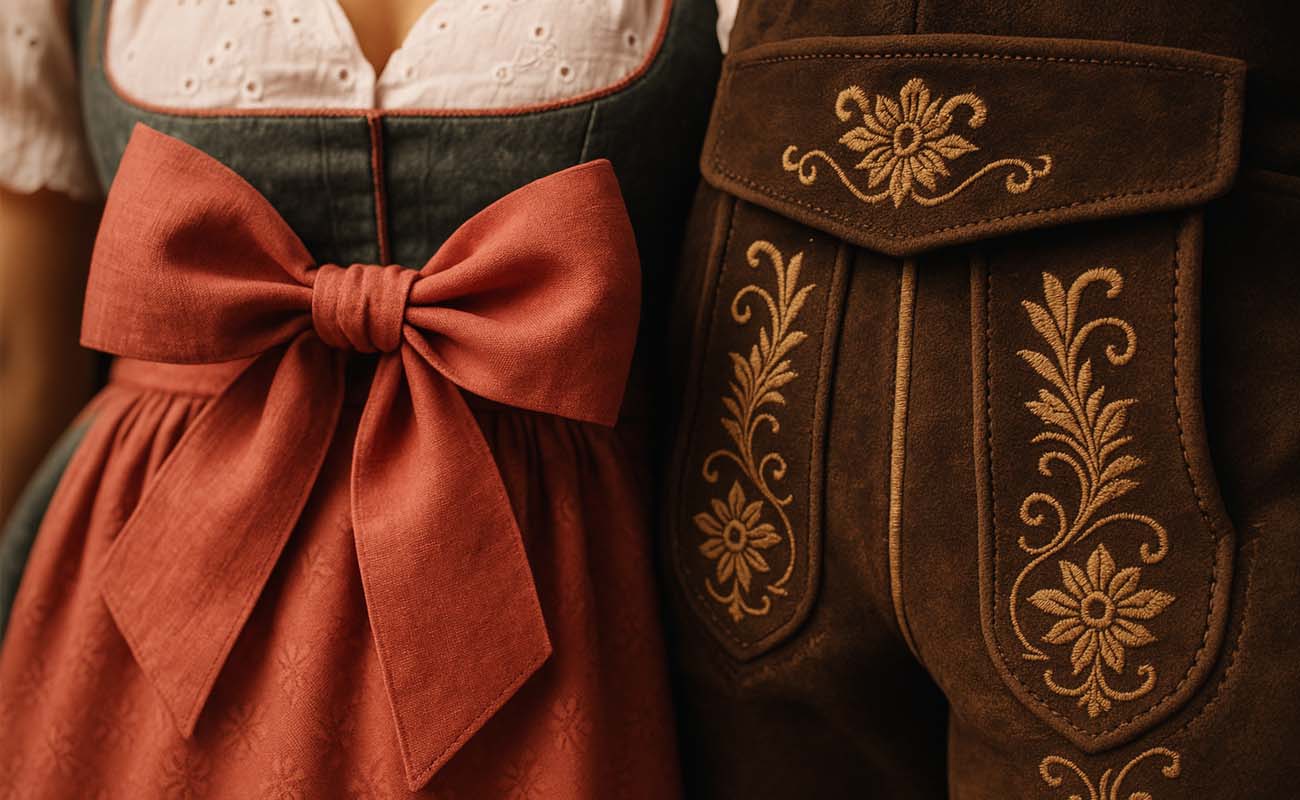
The dirndl apron features one of the most well-known symbolic elements—the placement of the bow conveys the wearer’s relationship status in a subtle but clear social signal. When tied on the left side, the bow indicates the woman is single or available for courtship. A bow on the right side means she is married or in a committed relationship. A bow tied in the center front traditionally indicated the wearer was a virgin, while a bow at the back meant the woman was widowed or working (such as a server at the festival who shouldn’t be approached romantically by guests). While this custom has historical roots and was once taken quite seriously in social interactions, many modern wearers follow it more as a fun tradition than a strict social code, though some still appreciate its subtle communication value.
The embroidery on lederhosen and dirndls carries deep regional significance that connects wearers to specific places and communities. Intricate embroidery patterns often feature motifs like edelweiss flowers (symbolizing Alpine beauty and resilience), oak leaves (representing strength and endurance), wheat stalks (indicating agricultural prosperity), deer and chamois (connecting to hunting traditions), and other natural elements that connect to rural Alpine life and the relationship between people and their environment. These designs frequently identify specific towns or valleys, with each region developing distinctive patterns and styles that trained observers can recognize instantly. The quality and elaboration of embroidery historically indicated the wealth and social status of the wearer or their family, with the finest pieces requiring hundreds of hours of skilled handwork.
Colors and materials in trachten also hold meaning beyond simple aesthetic choices. Traditional lederhosen were typically brown or black, with color sometimes indicating occupation or guild membership—for example, winemakers in Swabia wore yellow lederhosen to distinguish themselves from farmers and other tradespeople. The brass buttons, suspenders, and decorative elements on lederhosen symbolize the connection to agricultural roots and the hardworking laborers who shaped Bavarian culture and landscape through generations of dedication. Silver or pewter buttons might indicate higher social status or special occasion wear.
In former times, a bride brought her dirndl into marriage as part of her dowry, with the quality of the workmanship serving as a sign of her family’s wealth and social position in the community. The finest pieces featured silk fabrics, elaborate embroidery, and precious metal adornments that represented significant family investment. These elaborate traditional dirndls are occasionally still worn at weddings today, perpetuating tradition across generations and creating powerful connections between past and present. Some families treasure heirloom dirndls that have been worn by multiple generations of women at their weddings, creating tangible links across time.
Lederhosen: The Iconic Bavarian Men’s Traditional Clothing
Lederhosen represents the most recognizable element of men’s trachten, known worldwide as a symbol of Bavarian culture. These leather shorts combine practicality, tradition, and distinctive style in one iconic garment that has evolved from working clothing to cultural symbol while maintaining its essential character.
Authentic lederhosen are crafted from high-quality leather, traditionally tanned deerskin or goatskin, though modern versions may use various leather types including cowhide and even synthetic substitutes. The leather must be durable enough to withstand outdoor activities and harsh Alpine weather conditions, resist tearing and abrasion, and develop attractive patina over time—qualities that originally made lederhosen the preferred choice for hunters, riders, farmers, and laborers working in challenging mountain environments. The tanning process using natural materials like oak or chestnut tree bark gave the leather its characteristic suppleness, distinctive aroma, and rich brown coloring that deepens beautifully with age and wear.
Three Main Lederhosen Length Styles:
- Short lederhosen – end well above knee, perfect for summer festivals and warm weather activities
- Kniebundhosen – knee-length style, most versatile and popular for general wear
- Bundhosen – ankle-length version, ideal for cooler weather and more formal occasions
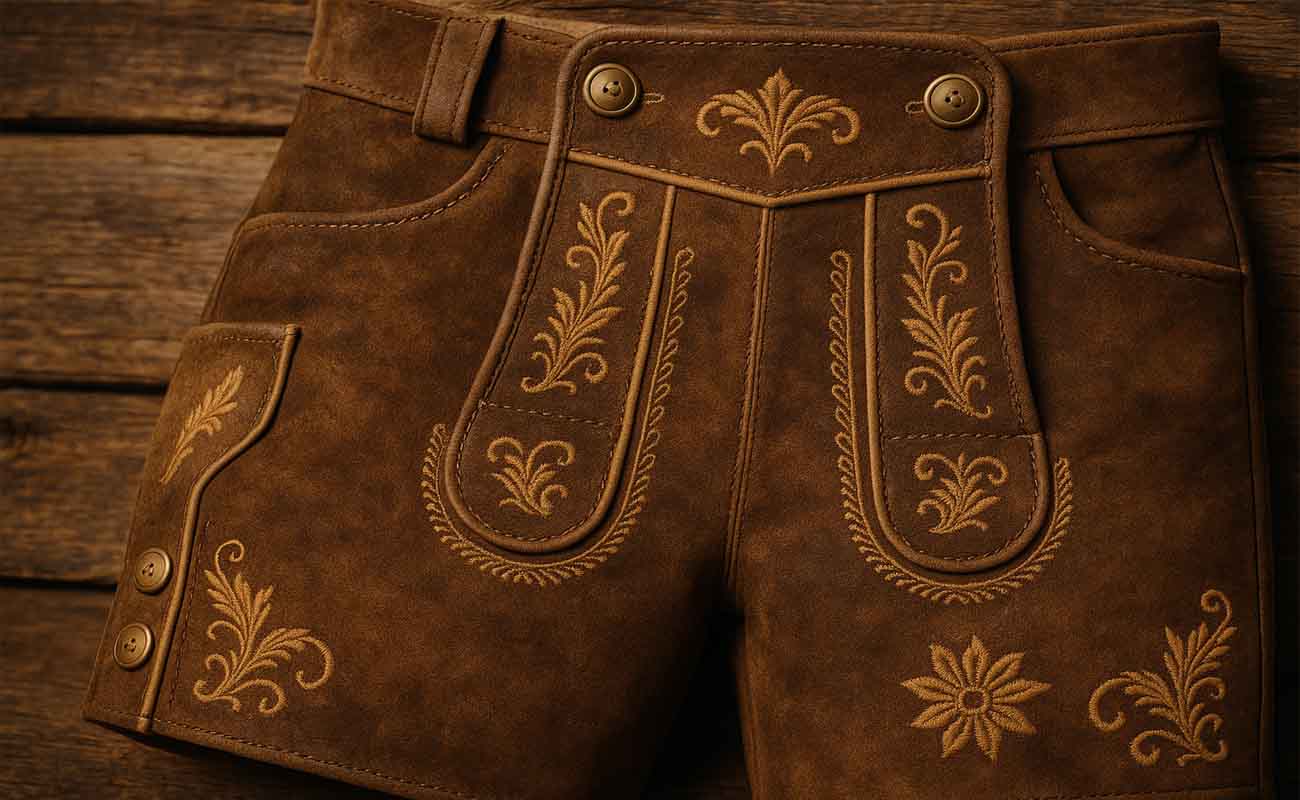
The decorative elements distinguish quality lederhosen from simple leather shorts and carry cultural meaning. Traditional lederhosen feature intricate embroidery, often depicting Alpine motifs like edelweiss flowers, oak leaves, or hunting scenes that tell stories of mountain life. The front flap, called a “Hosenlatz,” typically displays the most elaborate embroidery and serves as the focal point of the garment’s decoration. Brass or horn buttons serve both functional and decorative purposes, with some featuring intricate designs or hunting motifs. Leather suspenders with decorative elements complete the traditional look, though modern wearers sometimes opt for belted versions.
Complete Lederhosen Outfit Includes:
- Checkered or white linen shirt in traditional colors (red, blue, green plaid or crisp white)
- Haferl shoes – sturdy leather shoes with distinctive side lacing and thick soles
- Wool socks paired with loferl (traditional calf warmers that expose the knees)
- Traditional Trachten hat with feathers, pins, or hunting trophy decorations
The quality of lederhosen varies dramatically based on materials, construction, and embroidery work. Authentic pieces from traditional manufacturers feature hand-sewn seams, natural leather properly aged, hand-embroidered decorations, and brass hardware that will last decades. Budget costume versions use synthetic materials, machine stitching, printed designs rather than embroidery, and plastic buttons that quickly reveal their inferior quality. For those serious about trachten, investing in quality lederhosen pays dividends through durability, authentic appearance, and the pleasure of wearing genuine craftsmanship.
Dirndl: The Traditional Bavarian Dress for Women
The dirndl represents elegance, femininity, and deep connection to Bavarian heritage. This traditional dress has evolved from simple peasant clothing to a fashion statement that combines historical elements with contemporary style, making it one of the most beloved and versatile traditional garments in European culture.
Four Essential Dirndl Components:
- Bodice – close-fitting vest with low neckline, richly decorated with embroidery or ribbons
- Blouse – white or cream under-garment with short, three-quarter, or long sleeves
- Skirt – high-waisted, full design ranging from knee-length to ankle-length
- Apron – decorative overlay with symbolic bow placement indicating relationship status
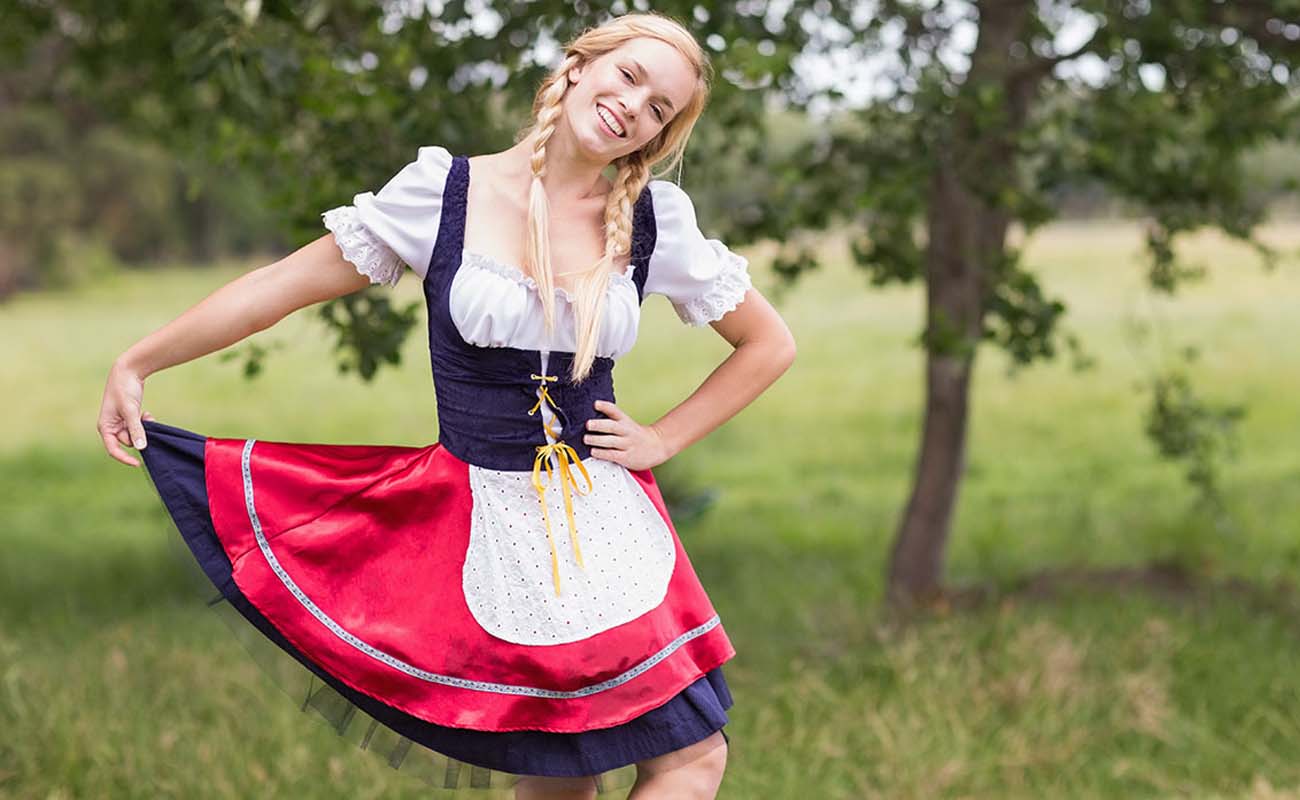
A complete dirndl consists of these four main components, each serving specific functional and aesthetic purposes. The bodice is a close-fitting vest-like garment with a low neckline that shapes the silhouette, often richly decorated with embroidery, ribbons, lacing, or other ornamental elements that reflect regional traditions. Quality bodices feature proper boning or structured construction that provides support and creates the characteristic dirndl shape. The blouse, worn under the bodice, is traditionally white or cream-colored with short, three-quarter, or long sleeves depending on season and formality, often featuring delicate details like lace trim, embroidered cuffs, or decorative closures that add visual interest.
The skirt is high-waisted and full, with lengths varying significantly based on tradition, occasion, and personal preference. Mini-length dirndls end above the knee and are popular at casual festivals, midi-length versions (the most traditional) fall below the knee, and ankle-length dirndls represent the most formal and historically accurate style suitable for weddings and ceremonial occasions. The fullness of the skirt allows freedom of movement and creates the flowing, feminine silhouette characteristic of dirndls. The apron, tied over the skirt, is often made from contrasting fabric that creates visual interest and serves both decorative and symbolic functions, particularly through its bow placement which communicates relationship status.
Dirndl styles vary significantly by region, occasion, and personal preference, creating rich diversity within the tradition. Traditional dirndls use specific materials, patterns, and colors designated by regional trachten associations who maintain standards of authenticity. These authentic designs follow centuries-old patterns and are considered most suitable for formal occasions like church ceremonies, traditional religious processions honoring saints like St. George and St. Leonard, weddings within traditional communities, and official folk culture events where authenticity is valued. Modern commercially designed dirndls offer more fashion-forward interpretations with shorter hemlines, more fitted shapes that emphasize contemporary figures, vibrant colors and patterns that may not follow regional traditions, and contemporary details like zippers, modern closures, and fashion fabrics that prioritize style and comfort over historical accuracy.
Traditional Dirndl Accessories:
- Hairstyles – plaits with ribbons, braided buns, or decorative updos with traditional elements
- Kropfkette – traditional choker necklace with matching earrings and bracelets
- Footwear – comfortable flat shoes or low-heeled boots (high heels are impractical at festivals)
- Purse and shawl – in complementary colors to complete the traditional ensemble
Accessorizing a dirndl properly enhances the overall traditional look and demonstrates cultural knowledge. Women typically wear their hair in special styles that reflect traditional aesthetics—plaits woven with velvet or satin ribbons, braids bunched into elaborate buns secured with decorative pins, or sophisticated up-dos using traditional hairpins and flowers. Jewelry includes traditional pieces like the “Kropfkette,” a decorative choker necklace often featuring coins, hearts, or traditional motifs, along with matching earrings and bracelets featuring edelweiss, hearts, or other traditional designs. Footwear ranges from comfortable flat shoes to boots with modest heels, deliberately avoiding stiletto heels which are impractical at festivals and inconsistent with traditional aesthetics. A small purse or bag in complementary colors, and sometimes a light cardigan or wool shawl for layering in changing weather, complete the ensemble appropriately.
Modern Trachten: How Traditional Bavarian Clothing Evolved for Today
While respecting tradition, Bavarian trachten has evolved significantly to meet modern tastes and lifestyles. This evolution ensures the continued relevance and popularity of traditional clothing among younger generations and fashion-conscious wearers who might otherwise dismiss trachten as outdated or irrelevant to contemporary life.
Contemporary trachten designers skillfully blend classic elements with modern aesthetics, creating garments that honor tradition while appealing to current fashion sensibilities. Traditional embroidery patterns appear on updated silhouettes that flatter contemporary body types, conventional fabrics meet innovative tailoring techniques that improve fit and comfort, and classic color schemes are reimagined with modern vibrancy and contrast. Shorter hemlines, more fitted shapes, and vibrant color palettes make dirndls appealing to younger wearers without abandoning traditional roots or losing the essential character that makes them recognizably dirndls. Men’s lederhosen similarly incorporate modern touches like refined leather finishing, contemporary embroidery styles, and accessories that bridge traditional and modern aesthetics while maintaining their essential character.
Leading fashion houses have embraced trachten design, creating high-end versions that bridge tradition and haute couture in surprising ways. Designer Vivienne Westwood famously praised the dirndl during a 2001 visit to Austria, stating that if every woman wore a dirndl, there would be no more ugliness in the world—high praise from an avant-garde fashion icon. She and her husband were honored as “Ambassadors for Tracht” in 2010, reflecting growing fashion industry recognition of traditional Bavarian clothing as worthy of serious design attention. Other designers have created luxury trachten incorporating fine silk, elaborate embellishments, and couture construction techniques that elevate traditional designs to runway-worthy pieces costing thousands of euros.
The fusion of tradition and contemporary fashion has successfully attracted younger generations to trachten who might otherwise view traditional clothing as uncool or irrelevant. Young people proudly wear dirndls and lederhosen at festivals, weddings, and cultural events, viewing these garments as expressions of both heritage and personal style. This isn’t blind adherence to old customs but rather a conscious choice to connect with cultural roots while maintaining a thoroughly modern lifestyle that includes international travel, technology, and contemporary values. Social media has amplified this trend, with young people sharing photos of themselves in trachten, discussing where to find quality pieces, and celebrating traditional clothing as simultaneously authentic and fashionable.

Seasonal variations also show modern adaptation and practical evolution. Winter trachten features heavy dirndl coats made from thick cotton, linen, velvet, or wool instead of light summer fabrics that would be impractical in cold weather. Blouses have long sleeves and high necklines for warmth, accompanied by thick mittens and wool hats that protect against Alpine winters. For men, wool vests and cardigans replace thin summer shirts, with thicker socks, longer lederhosen or Bundhosen, and winter accessories completing cold-weather ensembles that are both traditionally appropriate and practically comfortable.
Purchasing and Caring for Authentic Bavarian Trachten
For those interested in owning genuine Bavarian trachten, understanding quality markers and proper care ensures your investment lasts for generations, as traditional pieces often did historically when they were passed down through families as treasured possessions.
Authentic trachten differs dramatically from costume versions in materials, construction, and attention to detail—differences immediately apparent to experienced eyes. Genuine lederhosen use high-quality leather with proper vegetable tanning rather than synthetic materials, feature hand-done or high-quality machine embroidery with proper thread and technique rather than printed designs, include metal buttons made from brass or horn rather than plastic, and show excellent overall craftsmanship with reinforced seams, proper finishing, and attention to traditional details. Authentic dirndls use natural fabrics like cotton, linen, and silk rather than synthetic polyester, feature quality construction with proper boning in bodices that maintain shape over time, include traditional embroidery or decorative elements executed with skill, and reflect genuine regional design traditions rather than generic “Bavarian” styling.
Why Buy from Bavarian Attire Specialists?
When investing in traditional Bavarian clothing, choosing the right retailer makes a significant difference in quality, authenticity, and overall satisfaction. Specialized Bavarian attire stores offer distinct advantages that mass-market costume shops and generic retailers simply cannot match, making them worth seeking out even if they’re more expensive.
Authentic Bavarian attire specialists source their products directly from traditional manufacturers in Bavaria and Austria, ensuring genuine craftsmanship and adherence to regional design standards that maintain cultural integrity. These retailers maintain relationships with artisan workshops that have been producing trachten for generations—sometimes for over a century—guaranteeing that each piece reflects true Bavarian heritage rather than simplified costume interpretations designed for mass market appeal. The materials used—from premium leather for lederhosen to natural fabrics for dirndls—meet the quality standards that make trachten suitable for repeated wear over many years rather than single-use costume pieces that deteriorate quickly.
Expert knowledge represents another crucial advantage of specialized Bavarian attire retailers that shouldn’t be underestimated. Staff members at dedicated trachten shops understand the cultural significance, regional variations, and proper wearing customs associated with different styles—knowledge gained through years of experience and often personal connection to Bavarian culture. They can guide customers toward appropriate choices based on the occasion, whether attending Oktoberfest, participating in a traditional wedding, joining a religious procession, or attending formal cultural events where authenticity matters. This expertise extends to proper sizing and fit, which differs significantly from standard clothing measurements and requires understanding of how traditional garments should sit on the body, how much ease is appropriate, and how pieces work together in complete ensembles.
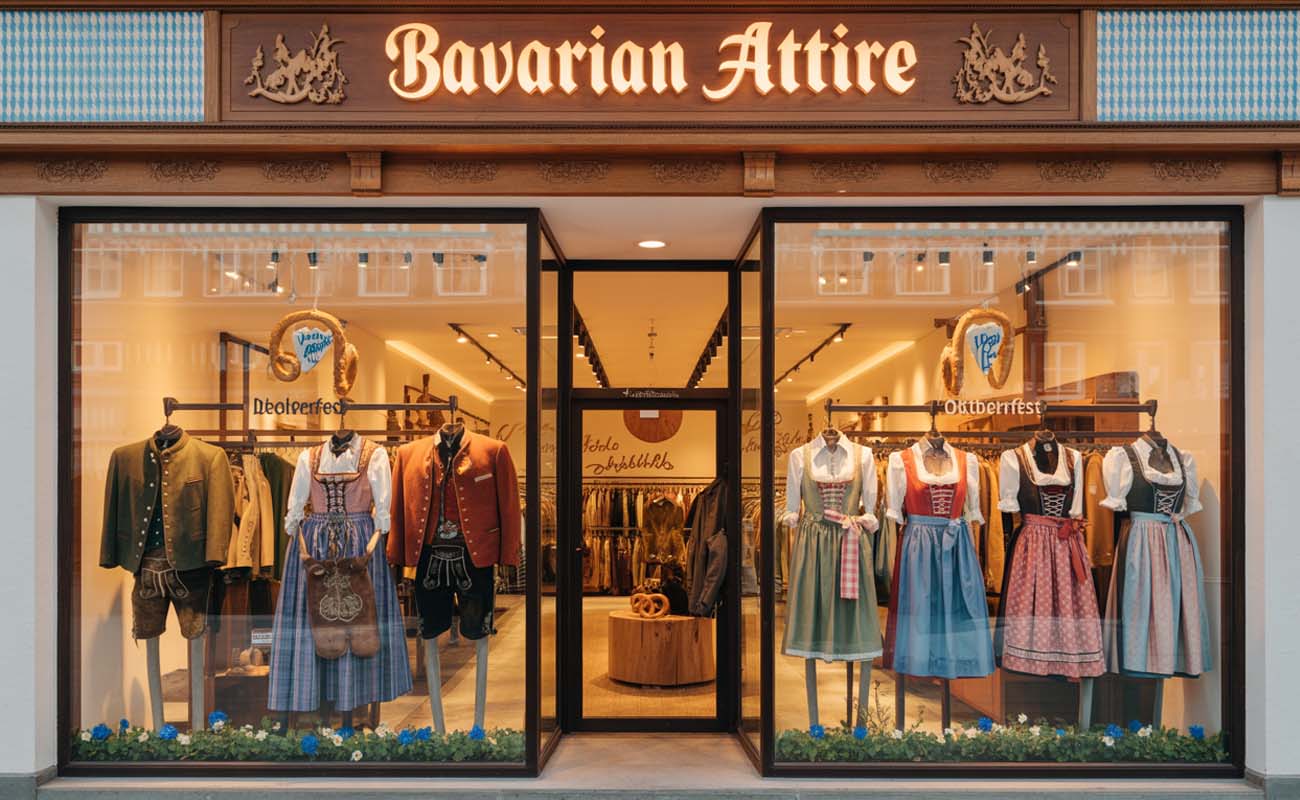
Quality control in specialized Bavarian attire stores ensures that every piece meets authentic standards before reaching customers. Unlike mass-produced costume versions that may use synthetic materials, inferior construction methods that fail quickly, and simplified designs that lose cultural meaning, authentic trachten retailers carefully vet their inventory for craftsmanship quality. This attention to detail means buttons are properly secured with reinforced stitching, embroidery is expertly executed with proper thread tension and authentic patterns, leather is properly tanned and finished with appropriate treatments, and seams are reinforced for durability rather than quick assembly. These quality markers transform trachten from disposable costumes into treasured garments that can be worn for decades and potentially passed down through generations as family heirlooms.
The range of options available through Bavarian attire specialists accommodates different budgets and needs while maintaining quality standards that ensure satisfaction. These retailers typically offer various price points, from entry-level authentic pieces suitable for festival wear to premium custom-made garments destined to become family treasures, ensuring accessibility without compromising on genuine Bavarian character. They stock complete ensembles including accessories like traditional hats with proper shaping, authentic Haferl shoes with proper construction, traditional jewelry featuring appropriate motifs, and bags that complement rather than clash with traditional styling—accessories that complete the look and save customers the challenge of sourcing these items separately from multiple vendors.
Customer service at specialized Bavarian attire retailers extends well beyond the initial purchase, creating relationships that last years. Many offer alteration services to ensure perfect fit as bodies change over time, detailed care instructions specific to the materials and construction of each piece rather than generic advice, and sometimes repair services for beloved garments that need maintenance over the years or have suffered minor damage. This ongoing relationship helps customers maintain their investment and ensures their trachten continues looking beautiful through many wearings, special occasions, and even passage to the next generation.
Supporting specialized Bavarian attire retailers also contributes meaningfully to preserving traditional craftsmanship that might otherwise disappear in our era of fast fashion and mass production. When you purchase from these businesses, you support the artisans, workshops, and manufacturers who keep traditional trachten-making skills alive—skills that take years to master and represent centuries of accumulated knowledge. This economic support ensures that future generations can continue accessing authentic traditional clothing and that the specialized knowledge required to create these garments doesn’t disappear in favor of simplified mass production that loses cultural meaning and quality.
For international customers, reputable Bavarian attire specialists offer reliable shipping with proper packaging to protect delicate garments, accurate product descriptions with detailed measurements that help ensure proper fit, high-quality photographs showing true colors and details, and responsive customer service to address questions about sizing, styling, and care. This reliability proves especially valuable when purchasing significant items sight-unseen, as the retailer’s reputation and expertise provide confidence in the transaction and reduce the risk of disappointment.
Where to Purchase Authentic Trachten
Purchasing authentic trachten requires some investment and careful consideration of sources to ensure you receive genuine quality. Quality pieces from specialized Bavarian attire retailers in Bavaria, Austria, or established international dealers ensure authenticity and provide expert guidance throughout the selection process. These specialized shops offer comprehensive collections with proper sizing assistance, knowledge about regional variations and traditional wearing customs, and after-purchase support that generic retailers cannot match.
Custom-made trachten from traditional tailors represents the highest quality option for those seeking perfectly fitted garments that follow specific regional traditions with absolute accuracy. While custom pieces command premium prices—often several thousand euros for complete ensembles—they offer unmatched authenticity and personalization, becoming heirloom-quality garments that can be treasured for generations and passed down through families as tangible connections to heritage.
Online Bavarian attire retailers offer convenience for international customers or those without access to physical trachten shops, expanding access to authentic traditional clothing worldwide. However, buyers should research thoroughly to ensure they’re purchasing from reputable dealers who specialize in authentic Bavarian clothing rather than generic costume suppliers who prioritize low prices over quality. Look for detailed product descriptions that specify materials and construction methods, authentic brand names from established Bavarian manufacturers, clear return policies that protect customers, and genuine customer reviews that verify quality and authenticity rather than promotional content.
Caring for Your Trachten Investment
Proper care extends the life of trachten garments significantly, protecting your investment and ensuring your traditional clothing remains beautiful through many wearings and special occasions. Leather lederhosen should be brushed after wearing to remove dirt and dust that can damage leather over time, treated with leather conditioner periodically to maintain suppleness and prevent cracking, and aired out rather than washed frequently as water can damage leather and embroidery. Professional leather cleaning is recommended for deep cleaning to avoid damaging the material, decorative elements, or intricate embroidery that represents hours of skilled work.
Dirndls require care according to their specific materials and construction—blouses often need hand washing or gentle machine cycles with mild detergent and cold water to prevent shrinkage and damage to delicate fabrics, bodices and skirts should usually be dry cleaned to preserve their shape, boning, and decorative elements that could be damaged by water, and embroidered elements need special protection during cleaning to prevent damage to delicate threadwork that may have taken hours to create. Proper storage in breathable garment bags away from direct sunlight preserves colors and materials, preventing fading, yellowing, and fabric deterioration that can occur with improper storage.
Quality Bavarian attire retailers often provide specific care instructions tailored to each piece they sell, ensuring customers know exactly how to maintain their trachten based on its specific materials, construction, and decorative elements. This guidance, combined with the superior construction quality of authentic pieces from specialized retailers, means your investment in genuine Bavarian clothing will provide years of enjoyment and can potentially become a treasured heirloom passed down to future generations.
Trachten Beyond Bavaria: Global Spread and International Appeal
While trachten remains most strongly associated with Bavaria and Austria, its influence has spread globally, making it one of the most recognizable traditional costumes worldwide. This international appeal stems from multiple factors including tourism, migration, cultural fascination, and the universal appeal of well-crafted traditional clothing that tells cultural stories.
Oktoberfest celebrations around the world have become primary vehicles for trachten’s global spread and international recognition. From the United States to Australia, South America to Asia, and even Africa, Oktoberfest events feature participants wearing lederhosen and dirndls as they celebrate Bavarian beer, food, and culture. While these international versions may not always follow authentic Bavarian traditions precisely—sometimes featuring simplified designs, non-traditional colors, or costume-quality construction—they demonstrate the widespread appeal and instant recognition of Bavarian traditional clothing. Major cities like Cincinnati, Denver, and Kitchener-Waterloo host massive Oktoberfest celebrations where thousands of participants don trachten, creating spectacles that rival some festivals in Bavaria itself.
German diaspora communities maintain trachten traditions as a vital connection to their heritage and cultural roots. German cultural organizations and clubs in countries like the United States, Canada, Argentina, Brazil, and Australia promote traditional clothing at cultural festivals, heritage events, and community gatherings that keep German traditions alive far from their homeland. These communities often establish their own Trachtenvereine to preserve customs and pass traditions to younger generations born abroad who may never have visited Germany but still value their cultural heritage. These international trachten associations maintain impressive dedication to authenticity, sometimes importing garments directly from Bavaria or learning traditional embroidery and tailoring techniques to create their own authentic pieces.
The fashion industry’s embrace of trachten elements has introduced Bavarian design motifs to mainstream fashion consciousness worldwide. Elements like dirndl-style bodices with lacing and structured shapes, lederhosen-inspired shorts in various materials, Alpine embroidery motifs featuring edelweiss and traditional patterns, and traditional color schemes of red, green, and brown appear in contemporary clothing collections from major fashion houses. This cross-pollination keeps trachten relevant in global fashion conversations while introducing new audiences to Bavarian aesthetic traditions who might never attend Oktoberfest or visit Bavaria but appreciate the visual appeal of traditional designs.
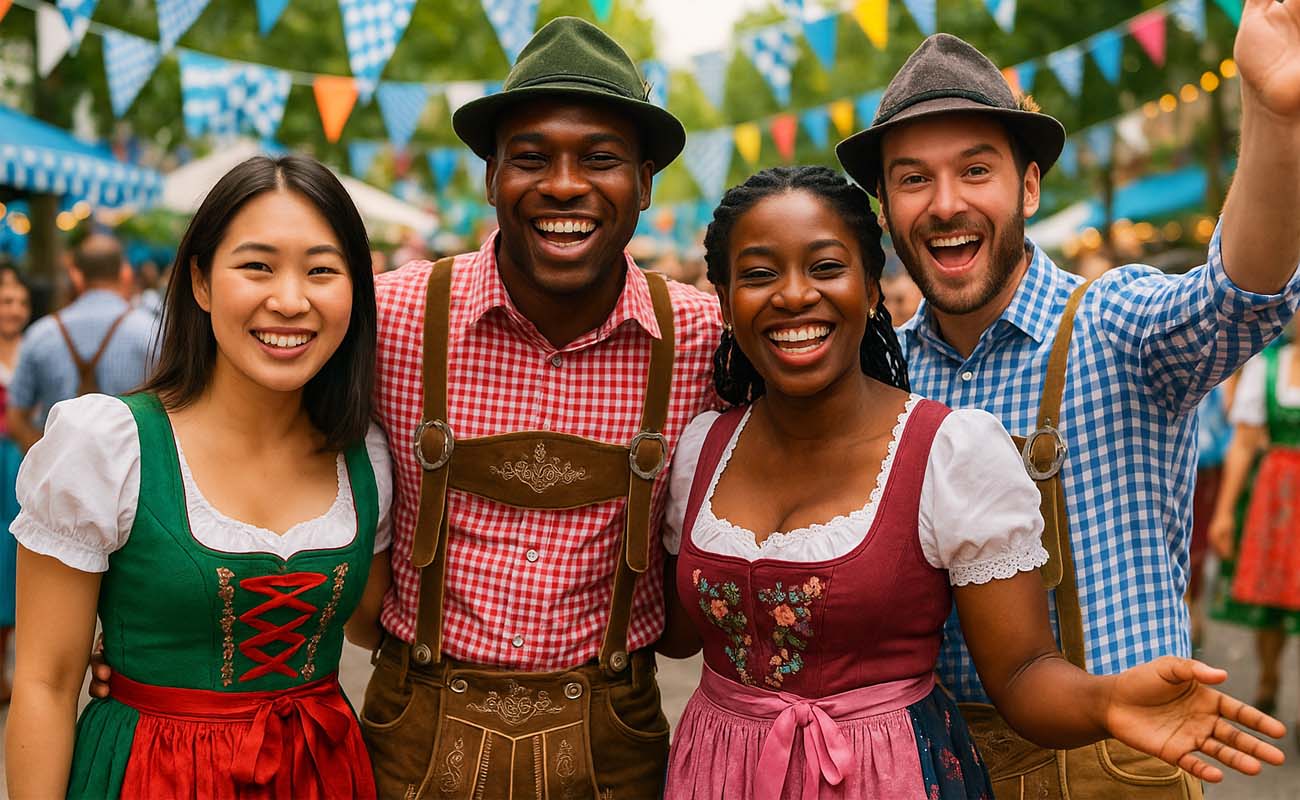
Tourism to Bavaria has created a substantial market for trachten among visitors who want authentic experiences and memorable souvenirs that connect them to the places they’ve visited. Many tourists purchase traditional clothing to wear during their visit, particularly for Oktoberfest attendance where wearing trachten enhances the experience and helps visitors feel part of the celebration rather than mere observers. While some purchase authentic pieces as significant souvenirs and lasting memories, others opt for more affordable festival versions that provide the experience without the investment. This tourism-driven demand has created a thriving industry around trachten production and sales, with shops throughout Bavaria and major tourist destinations offering everything from budget costume pieces to authentic traditional garments.
Cultural Etiquette: Wearing Trachten Respectfully
Understanding cultural etiquette ensures that wearing trachten shows respect for Bavarian traditions rather than trivializing important cultural symbols or reducing them to costumes. While Bavarians generally welcome others wearing traditional clothing, approaching trachten with knowledge and respect creates more meaningful experiences and positive cultural exchange.
Authenticity matters, particularly at traditional events in Bavaria and Austria where locals can immediately distinguish genuine trachten from costume versions. While costume versions are acceptable and even expected at many international Oktoberfest celebrations and casual festivals, attending events in Bavaria or Austria ideally involves wearing authentic or quality-reproduction trachten that shows respect for the culture. Locals genuinely appreciate when visitors make sincere efforts to respect traditional dress codes and customs rather than treating trachten as mere party costumes. This doesn’t mean you need the most expensive custom-made pieces, but it does mean choosing quality over obvious costume versions and taking time to wear garments properly.
Learning basic elements of proper wear demonstrates cultural respect and enhances your experience. Understanding dirndl apron bow placement and what it traditionally communicates, even if you don’t follow it strictly, shows cultural awareness and respect for the symbolism embedded in traditional clothing. Knowing which accessories complement which styles—such as appropriate jewelry, proper footwear, and traditional hats—helps you make choices that honor rather than mock the tradition. Understanding regional variations, such as the differences between Miesbacher and Werdenfelser styles, adds depth to your appreciation even if you’re not from those specific regions. At formal or religious events like traditional weddings, church ceremonies, or cultural processions, more traditional and conservative trachten styles are appropriate and expected, while festivals and casual celebrations allow more creative interpretations and contemporary adaptations.
Appreciation versus appropriation becomes relevant with trachten as with other traditional clothing from specific cultures. Wearing trachten respectfully means understanding its cultural significance beyond mere aesthetic appeal, learning about the history, regional meanings, and traditional customs associated with the clothing, purchasing from appropriate sources rather than buying cheap knock-offs that trivialize the tradition and harm artisans, and acknowledging the culture you’re participating in, particularly if you’re not of Bavarian or German heritage. This doesn’t mean non-Germans shouldn’t wear trachten—quite the opposite, as Bavarians generally welcome others embracing their traditions—but it does mean approaching it with knowledge and respect rather than treating it as a novelty costume.
Supporting authentic traditions benefits the communities that maintain them and ensures these cultural practices continue thriving. Purchasing from traditional craftspeople and established trachten retailers supports artisans keeping these specialized skills alive rather than mass-market manufacturers who often compromise quality and authenticity. Participating in cultural events organized by German or Bavarian cultural organizations contributes to preservation efforts and supports communities maintaining traditions. Learning about and respecting the history and symbolism behind the clothing demonstrates genuine appreciation rather than superficial engagement. When you wear trachten with knowledge and respect, you become part of the tradition’s continuation rather than its commercialization.
The Role of Trachtenvereine: Guardians of Tradition
Trachtenvereine—traditional costume associations—play a crucial role in preserving and promoting Bavarian trachten traditions. These organizations represent more than social clubs; they function as cultural guardians ensuring that authentic traditions, designs, and customs are maintained and passed to future generations who might otherwise lose connection to these important cultural practices.
Founded beginning in 1859 with the first association in Miesbach, Trachtenvereine have proliferated throughout Bavaria, Austria, and German-speaking regions. These organizations document regional trachten variations with meticulous detail, maintain standards of authenticity for different styles, organize cultural events and traditional festivals, teach younger generations about proper wearing and care, and provide communities where traditional customs thrive. Many Trachtenvereine maintain extensive archives of historical garments, photographs, and documentation that serve as invaluable resources for researchers, manufacturers, and anyone interested in authentic traditional clothing.
Membership in Trachtenvereine often involves serious commitment to cultural preservation rather than casual participation. Members typically own authentic traditional clothing appropriate to their specific region, participate in regular meetings and cultural events, learn traditional dances, songs, and customs, and contribute to preserving and promoting local traditions. Many associations perform at festivals, cultural celebrations, and even international events, showcasing Bavarian culture and demonstrating that these traditions remain living practices rather than museum pieces.
The umbrella organizations coordinating Trachtenvereine across regions ensure consistency in preservation efforts while respecting regional differences. These larger organizations provide resources, facilitate knowledge sharing between associations, organize major cultural events and competitions, and advocate for cultural preservation at governmental levels. Their work ensures that trachten traditions receive institutional support and recognition as important intangible cultural heritage worth preserving.
Trachten in Modern Bavarian Life: Everyday Wear and Special Occasions
Understanding when and how Bavarians wear trachten today reveals its significance as living tradition rather than costume. While many outsiders associate trachten exclusively with Oktoberfest and tourist attractions, traditional clothing plays varied roles in contemporary Bavarian life across different contexts and occasions.
For daily wear, trachten has largely been replaced by modern clothing in urban areas, though rural regions sometimes still see traditional elements incorporated into everyday dress, particularly among older generations who maintain stronger connections to traditional lifestyles. However, certain professions and settings maintain trachten as regular wear. Staff at traditional Bavarian restaurants, hotels, and tourism-related businesses often wear dirndls and lederhosen as work uniforms that create authentic atmosphere. Government officials in Bavaria sometimes wear trachten for official functions, particularly those involving cultural representation or traditional ceremonies.
Special occasions represent the primary contexts where most Bavarians wear full traditional clothing today. Traditional weddings often feature bridal dirndls or lederhosen for grooms, with guests wearing their finest trachten to honor the occasion and celebrate cultural heritage. Church ceremonies and religious festivals like Corpus Christi processions see extensive trachten wear, as traditional clothing demonstrates respect for religious and cultural traditions. Folk festivals beyond Oktoberfest, including numerous local celebrations, name day festivals, and harvest celebrations throughout Bavaria, feature trachten as expected and appropriate attire.
Cultural events and Trachtenverein activities provide regular opportunities for trachten wear among dedicated traditionalists. Members wear traditional clothing to rehearsals, performances, and social gatherings, maintaining regular connection to traditional dress. Major cultural events like the Costume and Riflemen’s Parade during Oktoberfest, regional trachten festivals, and folklore celebrations showcase the breadth and beauty of Bavarian traditional clothing traditions.
Increasingly, young Bavarians wear trachten to various social occasions beyond strictly traditional events, reflecting the style’s contemporary appeal. University students wear dirndls and lederhosen to parties and celebrations, treating traditional clothing as fashionable rather than old-fashioned. This casualization of trachten represents both democratization—making it accessible beyond formal occasions—and evolution that ensures continued relevance among younger generations who might otherwise view it as irrelevant to their lives.
Economic Impact: The Trachten Industry Today
The trachten industry represents a significant economic sector in Bavaria and Austria, supporting thousands of jobs and generating substantial revenue. Understanding the economic dimensions reveals how cultural tradition and commercial enterprise intertwine, creating mutual benefits that support both preservation and prosperity.
Traditional manufacturers maintaining centuries-old techniques form the industry’s core, including established companies like Lodenfrey, Angermaier, and others that have produced quality trachten for generations. These manufacturers employ skilled craftspeople in specialized roles including leather workers, embroiderers, tailors, and designers who maintain traditional skills while adapting to contemporary demands. The knowledge these artisans possess represents irreplaceable cultural capital that cannot be quickly recreated if lost, making their economic sustainability crucial for cultural preservation.
Retail businesses throughout Bavaria and Austria specialize in trachten sales, ranging from small family-owned shops to large department stores with extensive traditional clothing departments. Munich alone hosts dozens of trachten specialty stores, with major shopping districts like Kaufingerstraße featuring multiple options. These retailers provide employment, pay taxes, and contribute to local economies while serving both local populations and millions of tourists seeking authentic traditional clothing.
The tourism industry benefits enormously from trachten’s appeal and recognition. Tourists spend significant money on traditional clothing, accessories, and related items, creating revenue streams that support broader tourism infrastructure. Hotels, restaurants, and tour operators capitalize on trachten’s iconic status through marketing imagery, themed events, and cultural experiences. The economic multiplier effect means that trachten purchases support not just manufacturers and retailers but entire tourism ecosystems.
Modern fashion brands incorporating trachten elements create another economic dimension, including international designers producing high-end trachten-inspired pieces, contemporary Bavarian designers blending traditional and modern aesthetics, and fast-fashion brands offering affordable interpretations. While purists sometimes criticize these adaptations for diluting authentic traditions, they introduce trachten aesthetics to broader audiences and create economic opportunities that support the overall industry.
Online sales have dramatically expanded trachten’s market reach beyond Bavaria and Austria to international customers seeking authentic German traditional clothing. Specialized websites, international shipping capabilities, and digital marketing allow traditional manufacturers and retailers to reach customers worldwide who might never visit Bavaria but want to participate in Oktoberfest celebrations or connect with German heritage.
Conclusion: The Enduring Legacy of Bavarian Trachten
Why do people in Bavaria wear trachten? The answer encompasses practical origins as durable workwear, royal endorsement that elevated peasant clothing to respectable attire, organized cultural preservation movements that protected traditions through changing times, expression of regional pride and cultural identity in a globalizing world, community belonging and connection to heritage that provides meaning, and continuing evolution that keeps traditions relevant for new generations. Bavarian traditional clothing represents far more than costumes for festivals—it embodies a living connection to centuries of Alpine heritage and serves as a powerful expression of cultural identity in the modern world.
From humble beginnings as practical workwear for farmers, hunters, and servants working in harsh Alpine conditions, lederhosen and dirndl have transformed into beloved symbols of Bavarian culture recognized and celebrated worldwide. This remarkable evolution reflects the resilience of cultural traditions that can adapt to dramatically changing times while maintaining their essential character and meaning. The enduring appeal of Bavarian trachten ultimately rests on its remarkable ability to be simultaneously traditional and contemporary, deeply local and surprisingly universal, strictly codified and creatively adaptable. As long as people value cultural heritage, seek community belonging, appreciate skilled craftsmanship, and desire connections to the past, trachten will continue to be worn, celebrated, and passed down through generations—ensuring this Alpine tradition remains vibrantly alive for centuries to come.
Find Out More: Do You Wear Socks With a Dirndl?
Frequently Asked Questions (FAQs)
What is traditional Bavarian clothing called?
Traditional Bavarian clothing is called “trachten.” This term encompasses all traditional garments worn in German-speaking Alpine regions, with lederhosen (leather shorts) for men and dirndl dresses for women being the most iconic pieces. The word comes from the German verb “tragen,” meaning “to carry” or “to wear.”
Why do Germans wear lederhosen and dirndl?
Germans wear lederhosen and dirndl to express cultural pride, regional identity, and connection to Bavarian heritage. Originally practical workwear for Alpine farmers and servants, these garments became cultural symbols through 19th-century royal endorsement and preservation movements. Today, Bavarians wear trachten at festivals like Oktoberfest, weddings, religious ceremonies, and cultural celebrations.
What does the dirndl apron bow position mean?
The dirndl apron bow placement indicates relationship status. A bow tied on the left means single or available, while a bow on the right means married or in a relationship. A bow in the center front traditionally indicated virginity, and a bow at the back meant widowed or working as a server. Many modern wearers follow this as fun tradition rather than strict social code.
Is it OK to wear trachten if you’re not German?
Yes, wearing trachten is welcomed and encouraged regardless of nationality. Bavarians appreciate when visitors embrace their traditions respectfully. To show cultural respect, choose quality pieces over cheap costumes, learn basic wearing customs like proper accessories, and understand the cultural significance behind the clothing rather than treating it as mere party costume.
