

Blog
What Are Lederhosen? The Complete Guide to Bavaria’s Most Iconic Garment

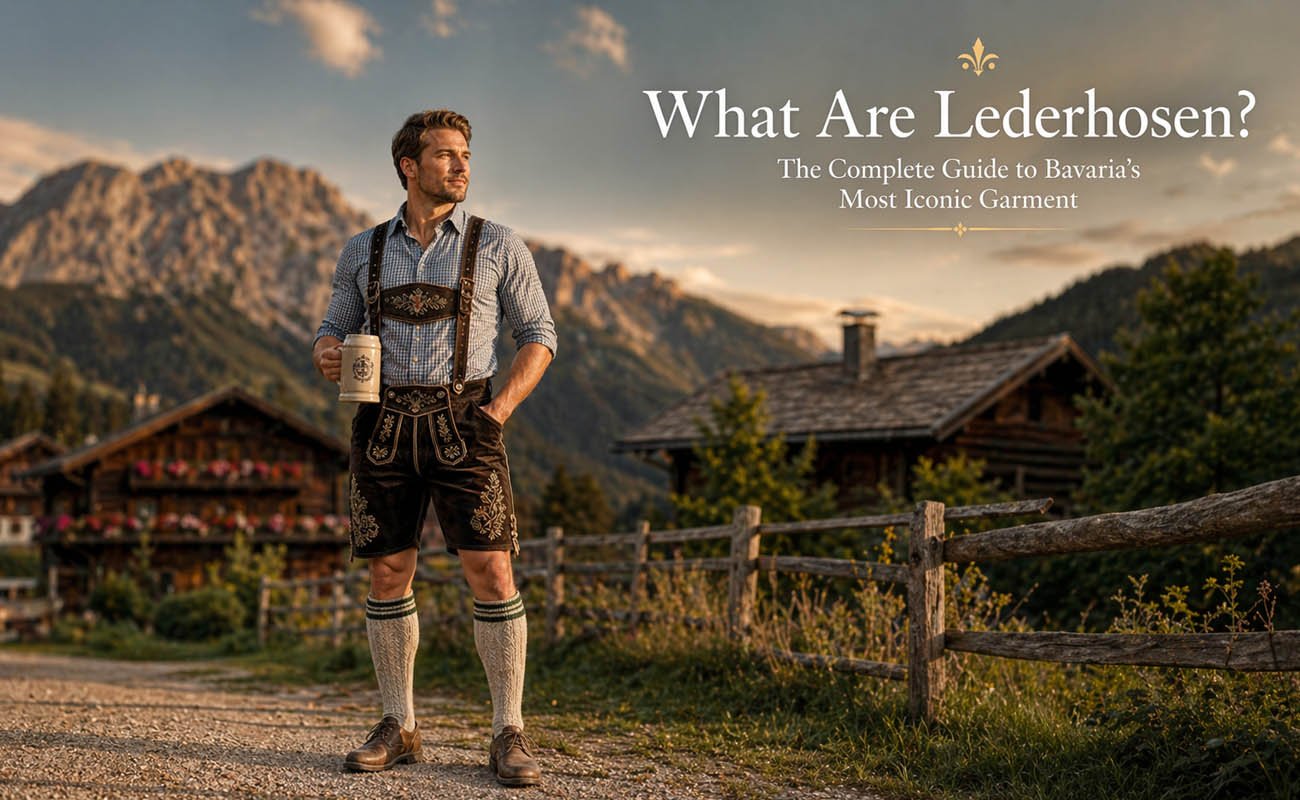
If you’ve ever watched Oktoberfest coverage or stumbled across photos of cheerful crowds in Munich raising beer steins, you’ve almost certainly seen lederhosen. But what exactly are lederhosen, where do they come from, and why does the whole world still wear them centuries later? This guide covers everything — from their surprising origins and near-extinction to how to style them today.
What Are Lederhosen, Exactly?
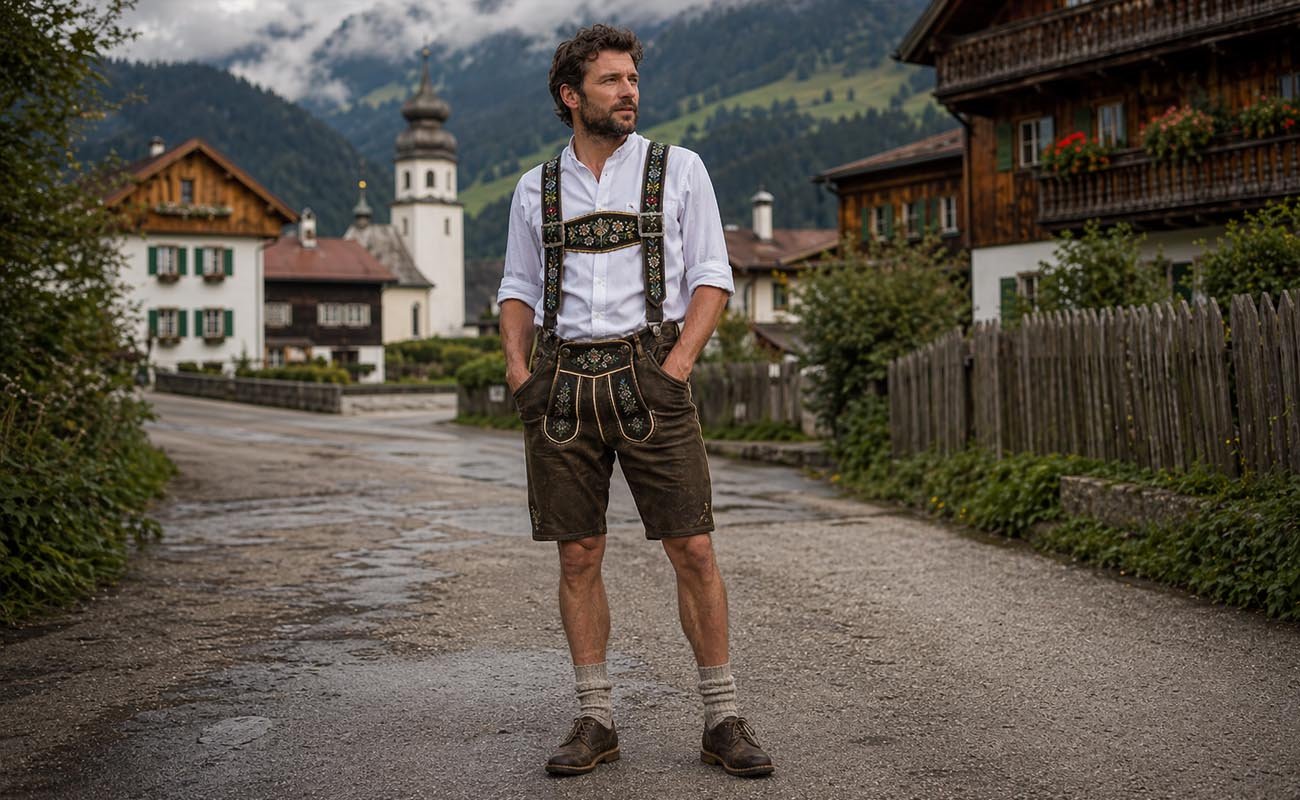
Lederhosen (pronounced lay-der-HOH-zen) is a German word that literally translates to “leather breeches” or “leather pants.” They are traditional short or knee-length trousers made from genuine leather, typically held up by a set of embroidered suspenders called Hosenträger. The front of a classic pair features a distinctive drop flap — a practical panel that folds down, which historians consider a uniquely Bavarian invention that later became so fashionable across Europe that the French nicknamed the style à la bavaroise (“in the Bavarian way”).
Today, lederhosen are most strongly associated with Bavaria, the southern German state famous for its Alpine scenery, beer culture, and Oktoberfest. However, they were historically worn across a much wider region — including Austria, Switzerland, South Tyrol in northern Italy, and Slovenia, where they are called irharice. Each region developed its own subtle variations in color, cut, and embroidery style.
Here is a quick summary of what lederhosen are:
- Origin: Alpine regions of Bavaria and Austria, dating back to the late Middle Ages
- Material: Genuine leather — most commonly deerskin, goatskin, or cowhide
- Design: Short or knee-length cut, front drop flap, embroidered suspenders (Hosenträger)
- Purpose: Originally workwear for farmers and hunters; today worn at Oktoberfest and cultural festivals
- Who wears them: Both men and women; popular worldwide, not just in Germany
- Price range: $100 for basic pairs up to €1,500+ for handmade deerskin versions
The Surprising History of Lederhosen
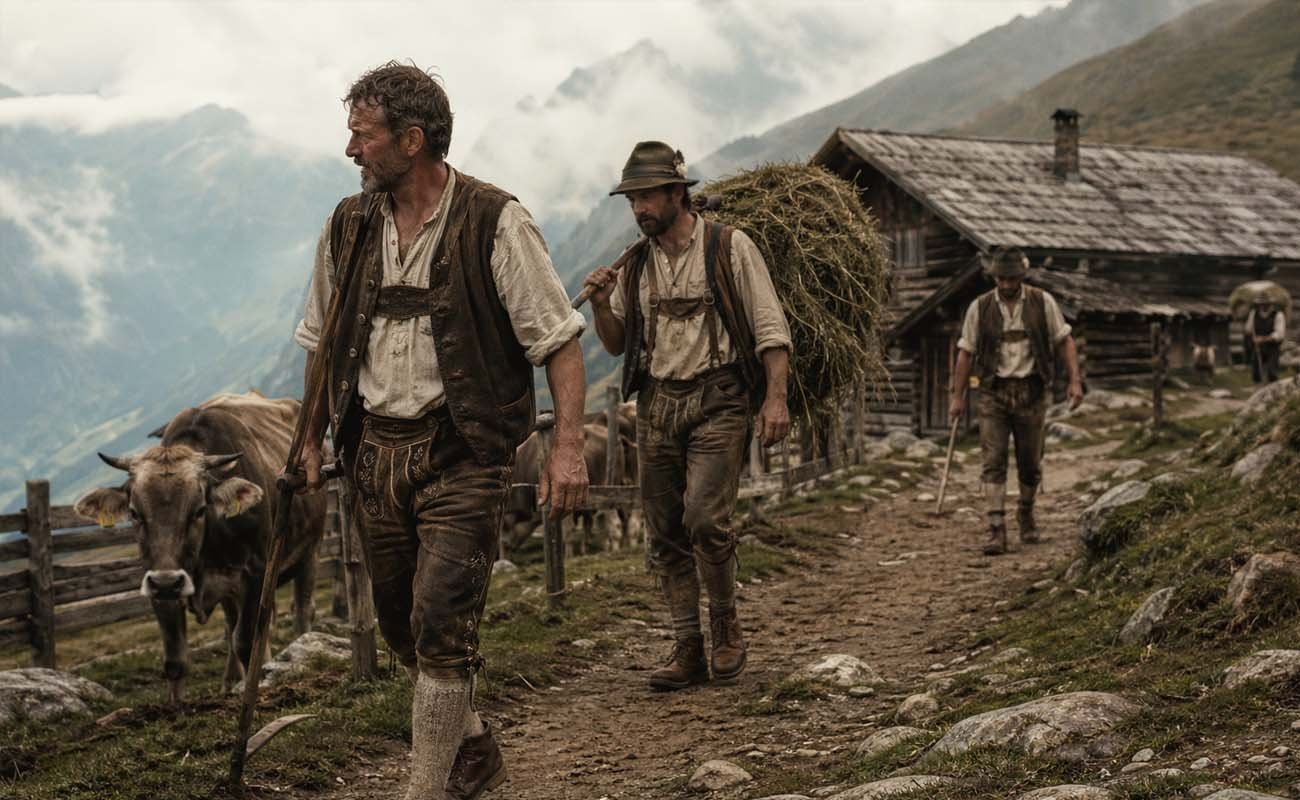
Most people assume lederhosen are a purely German invention with a clean, unbroken history. The reality is far more dramatic — this garment nearly vanished entirely before making one of fashion history’s greatest comebacks.
The roots of leather trousers stretch back to the late Middle Ages, when Alpine farmers, miners, and hunters discovered that leather far outlasted fabric in the brutal mountain environment. Rain, mud, thorns, and hard physical labor would destroy cloth pants within weeks, while a well-made leather pair could last for years — sometimes generations. The practicality was so valued that lederhosen were commonly passed from father to son as genuine heirlooms. By the 1700s, the short knee-length style with a drop front flap had become the standard working garment across much of the Alpine region.
Then came an unlikely twist: the European upper class fell in love with peasant fashion. During the late Rococo period of the 1770s and 1780s, aristocrats began adopting lederhosen for leisure activities like horseback riding and hunting. Nobles commissioned their pairs from deerskin — the softest and most durable leather available — while working peasants made do with goat or sheepskin. The nobility’s versions were richly embroidered to signal their social status, turning a simple work garment into a luxury item.
By the mid-1800s, however, lederhosen faced an existential threat: the rise of the city. As industrialization swept through Europe and urban living became fashionable, anything associated with rural, agricultural life fell out of favor. Lederhosen were seen as backward — the clothing of peasants, not modern citizens. Then in the 1870s, blue jeans arrived. Lighter, cheaper, and considered far more stylish, denim effectively pushed lederhosen to the edge of extinction. Ironically, the inventor of blue jeans, Levi Strauss, was himself a Bavarian who had emigrated to San Francisco — a man whose childhood homeland’s most famous garment he unknowingly helped displace.
The comeback story begins in 1883, in the small Upper Bavarian town of Bayrischzell. A schoolteacher named Joseph Vogl was so disturbed by the disappearance of traditional Alpine clothing that he and a small group of friends formed the first Trachtenverein — a traditional costume preservation society. Their commitment was so intense that they wore lederhosen to church services, which caused genuine scandal. The congregation mocked them, and church officials declared the shorts inappropriate attire for worship. But their cause gained a powerful supporter: King Ludwig II himself wrote a letter in favor of lederhosen preservation. With royal backing, similar preservation clubs spread from Munich to Salzburg and Vienna. In 1887, lederhosen were officially declared the traditional Oktoberfest attire for men, and their place in cultural history was secured.
What Makes Authentic Lederhosen Different?
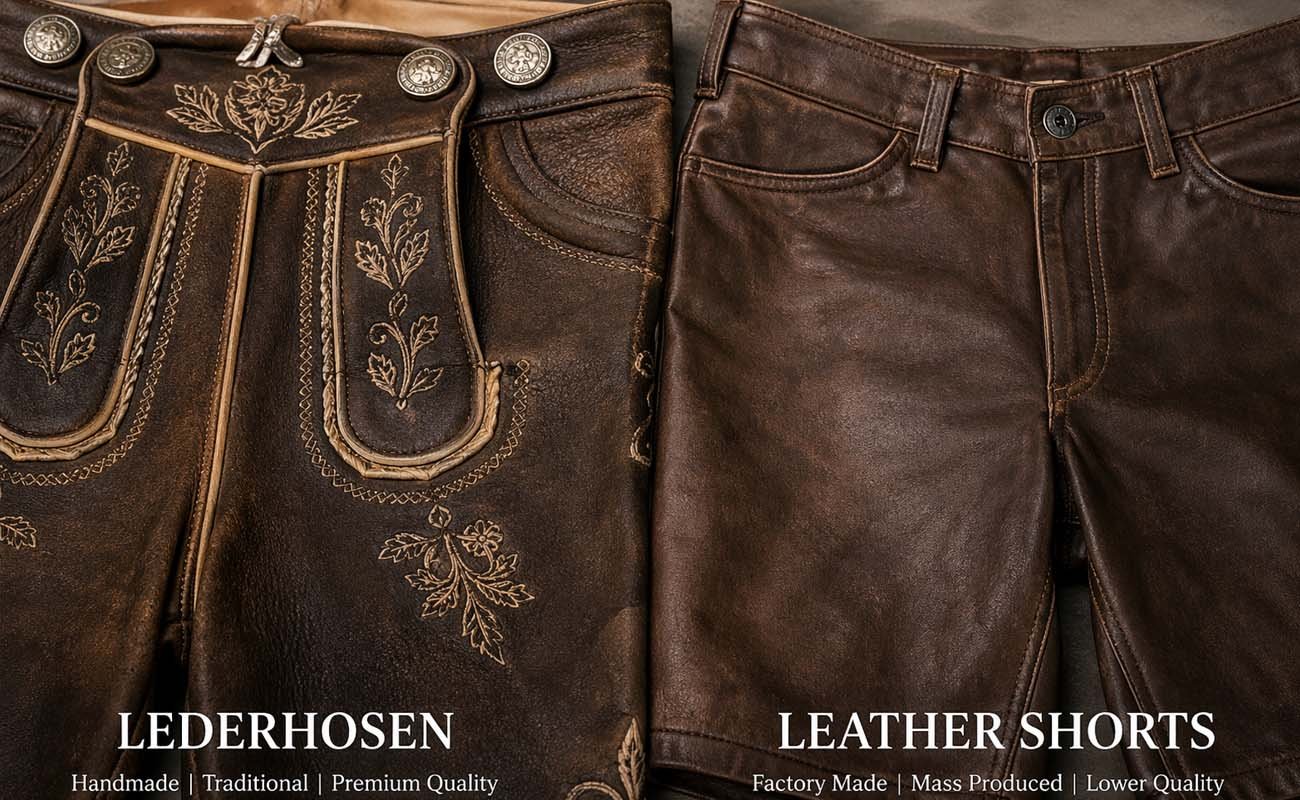
The Leather
Not all lederhosen are created equal, and the type of leather makes an enormous difference in quality, feel, and price.
- Deerskin (Hirschleder): The gold standard. Buttery soft, naturally water-resistant, and durable enough to last generations. Genuine deerskin lederhosen can cost €1,000 or more from a traditional German tailor.
- Goatskin: Flexible and lightweight, ideal for intricate embroidery. More affordable and commonly used in mid-range pairs.
- Cowhide: Sturdy and widely available, used most often in budget-friendly factory-made versions.
One genuinely fascinating fact about the global lederhosen industry: most of the leather used worldwide is sourced from Pakistan and New Zealand, and the largest manufacturing facilities are located in India, Sri Lanka, and Hungary — not Germany. Authentic handmade German lederhosen from craftsmen like the Bavarian tailor Bensmann, who sources and vegetable-tans his own leather, represent a completely different product from festival-season imports.
The Embroidery
The decorative stitching on lederhosen is far more than decoration — it is a language. Traditional embroidery patterns were historically used to identify which region or village the wearer came from. Common motifs and their meanings include:
- Oak leaves: Strength and endurance
- Edelweiss flowers: Alpine pride and resilience
- Deer and stag motifs: Connection to nature and the hunting tradition
- Bavarian coat of arms: Courage and royal heritage
The number of decorative seams along the trouser legs also varies — you’ll find 3, 5, 7, and even 9-seam lederhosen, with more seams generally indicating higher craftsmanship.
Types and Styles of Lederhosen
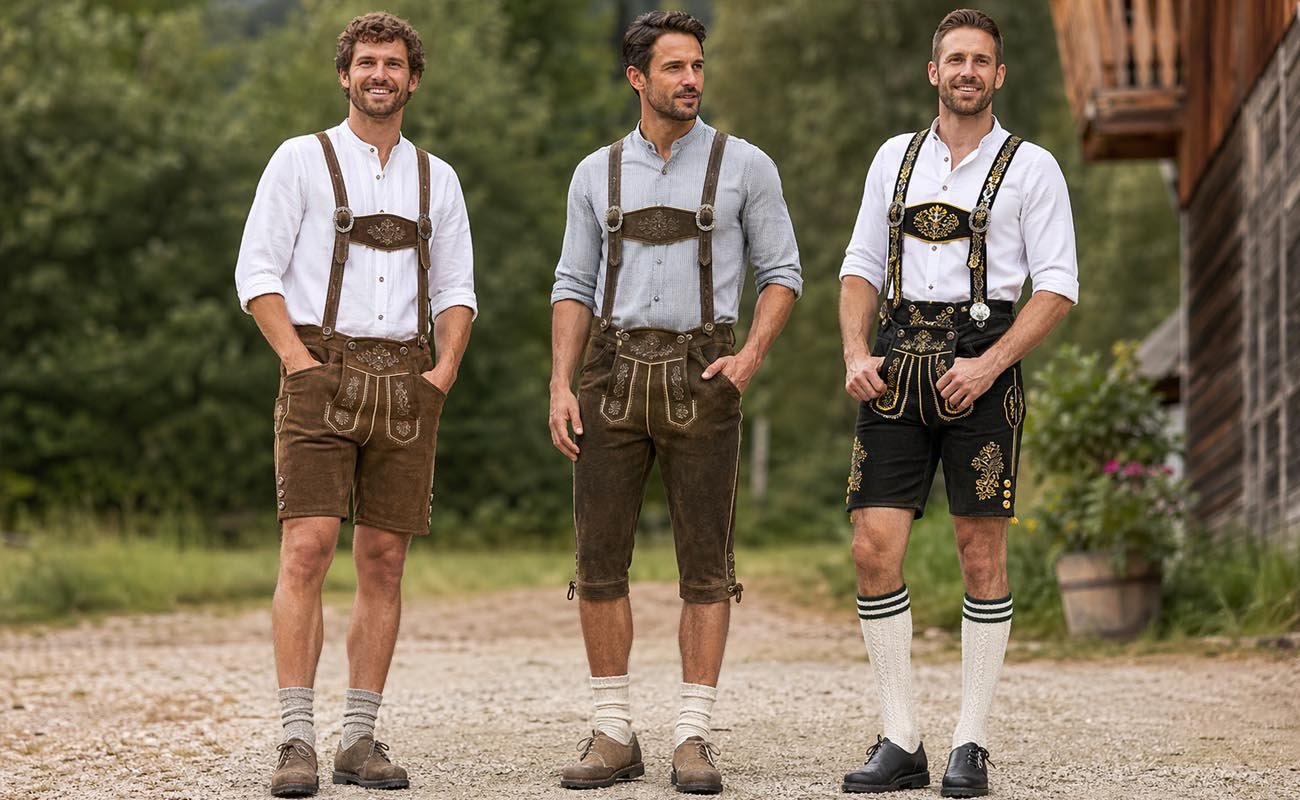
Lederhosen come in several distinct lengths and cuts, each suited to different occasions and preferences.
Kurze Lederhosen are the short style that ends above the knee. This is the classic Oktoberfest look and the most recognizable version internationally. They offer excellent freedom of movement and were the preferred cut for Alpine workers who needed agility on steep slopes.
Kniebundhosen (also called Bundhosen) extend to just below the knee and are fastened at the cuff with laces or buttons. This style is considered slightly more formal and is a better choice for cooler weather or events outside of summer festivals. Despite the name difference, Kniebundhosen use the same leather, embroidery, and suspender traditions as shorter styles.
Plattlerhosen are a specialized style designed specifically for Schuhplatteln, a traditional Bavarian folk dance involving rhythmic slapping of the thighs and shoes. Their cut is intentionally designed to amplify the sound of hand-strikes during the dance — a beautiful example of clothing engineered around a specific cultural activity.
How to Wear Lederhosen: The Complete Outfit
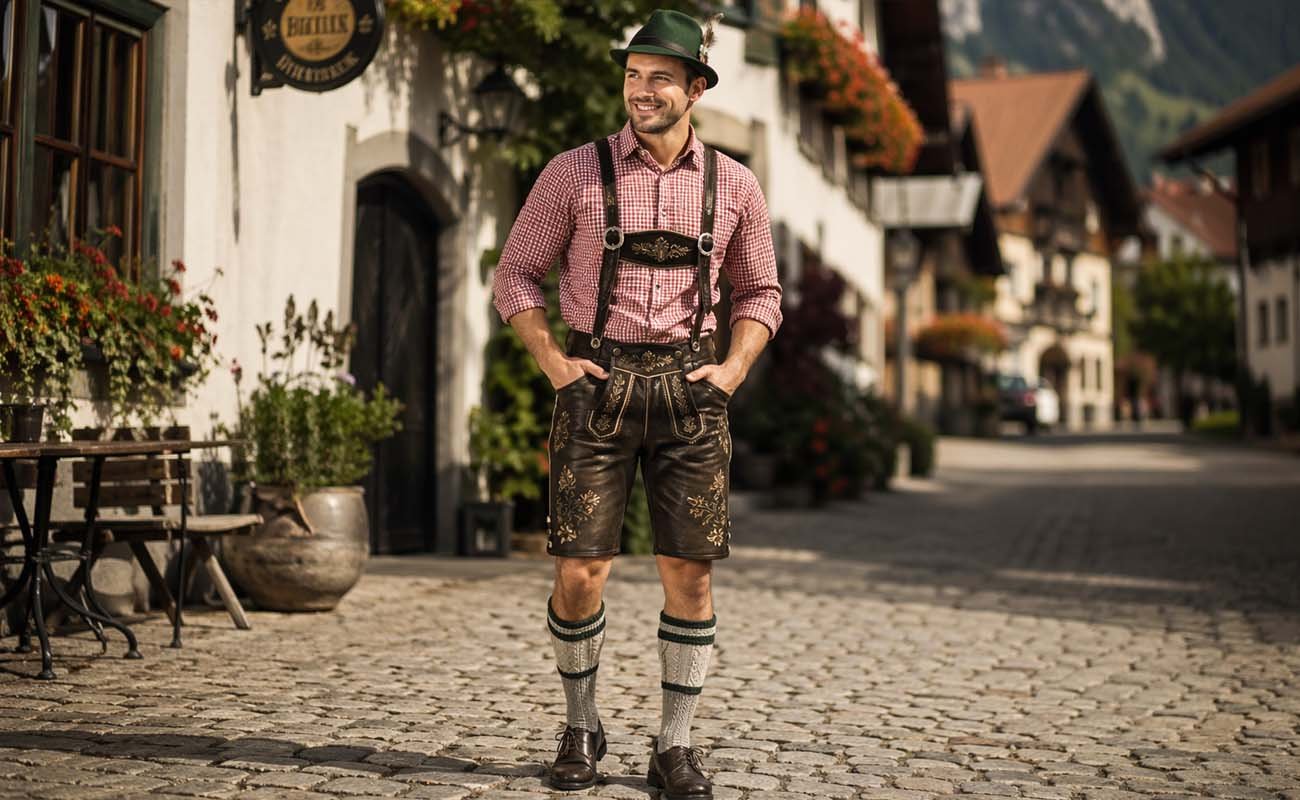
A pair of lederhosen on their own is only half the picture. The full traditional Bavarian outfit — called Tracht — includes several carefully chosen components.
The shirt is typically a white linen or cotton shirt, or a blue-and-white checkered Trachtenhemd. For Oktoberfest, sleeves are usually rolled up for a relaxed feel. For weddings or more formal occasions, a crisp, fully buttoned white shirt is the right choice.
The footwear should be Haferlschuhe — traditional Bavarian leather shoes with side lacing and a rubber sole designed for Alpine terrain. These are worn with knee-high wool socks, typically in off-white, gray, or green, sometimes featuring decorative stripes at the top.
The hat is usually a Tirolerhut — a felt hat with a small feather or brush decoration on the brim. It adds the finishing touch and signals full commitment to the traditional look.
Accessories worth knowing about include the Charivari, a decorative chain worn across the front of the lederhosen, often hung with small charms like coins, animal teeth, or family crests. Belt buckles with Bavarian symbols are another option, though suspenders are the more traditional choice.
Lederhosen Facts Most Blogs Won’t Tell You
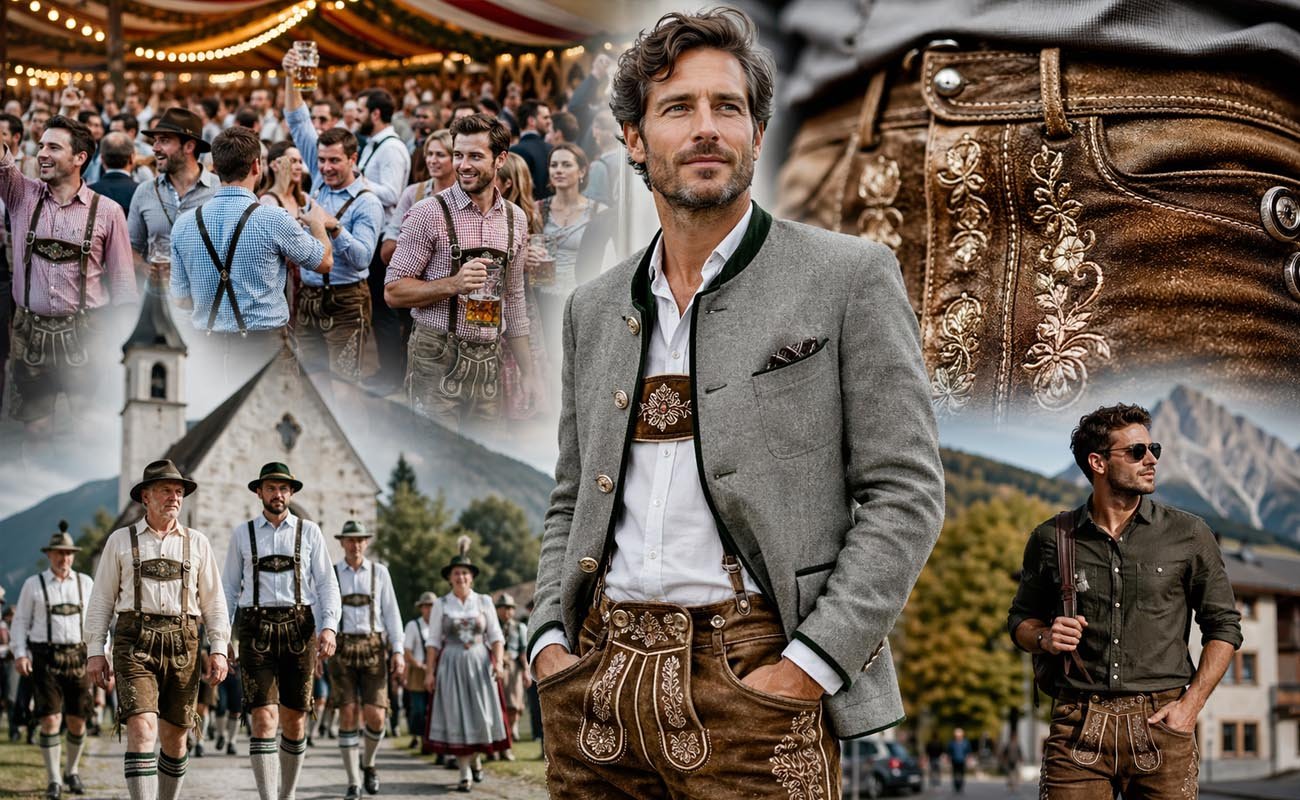
The story of lederhosen contains several genuinely surprising chapters that most general guides overlook entirely.
In 1913, the Archbishop of Munich officially declared lederhosen “immoral.” The Catholic Church’s objection was rooted in the garment’s revealing nature — the short cut exposing the lower leg was considered inappropriate, and some churches still restrict them during services today. The irony is that lederhosen were later embraced as wholesome cultural heritage, which makes the Archbishop’s condemnation look rather overstated in retrospect.
There is also a town in Germany called Lederhose — a municipality in Thuringia with just 267 residents. It sits along the A9 motorway between Leipzig and Munich, and its residents have fully embraced the coincidence with local festivals celebrating the garment that shares their town’s name.
Hamburg’s police dog handlers wear leather trousers on duty — not as a cultural statement, but because leather is more resistant to bites and tears than standard fabric uniform pants. The practicality that made lederhosen indispensable to medieval farmers turns out to still be valued in law enforcement.
Celebrities including Arnold Schwarzenegger, Robert Downey Jr., Samuel L. Jackson, Richard Branson, and Ed Sheeran have all worn lederhosen — whether at Oktoberfest, at film premieres, or on stage. The garment has genuinely crossed into global popular culture, far beyond any single nationality.
Are Lederhosen Only for Men?
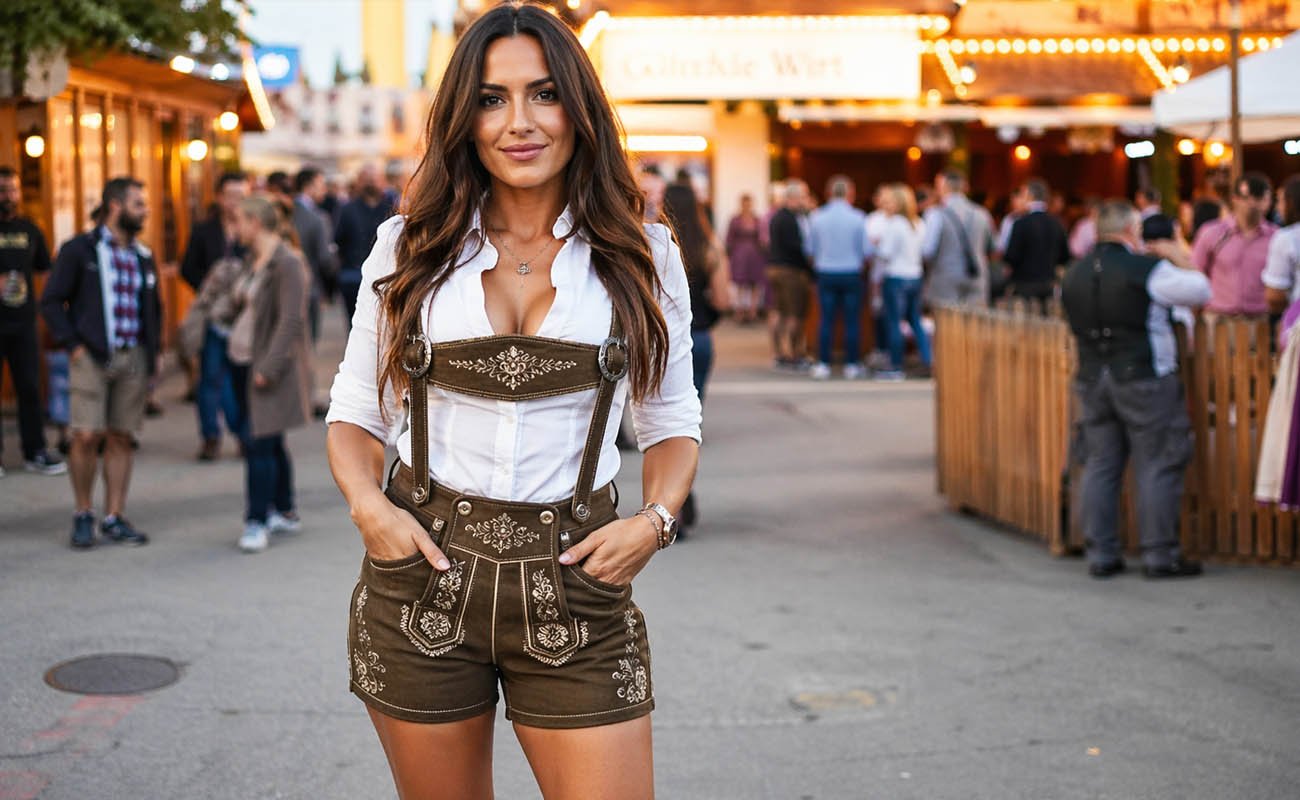
No — and this is a common misconception worth correcting directly. Women have worn lederhosen throughout their history, and women’s versions exist today in both short and knee-length styles. The Dirndl — a dress with a fitted bodice, full skirt, and apron — is the more widely recognized women’s traditional Bavarian garment, but women’s lederhosen are equally authentic and increasingly popular at festivals worldwide.
How Much Do Lederhosen Cost?
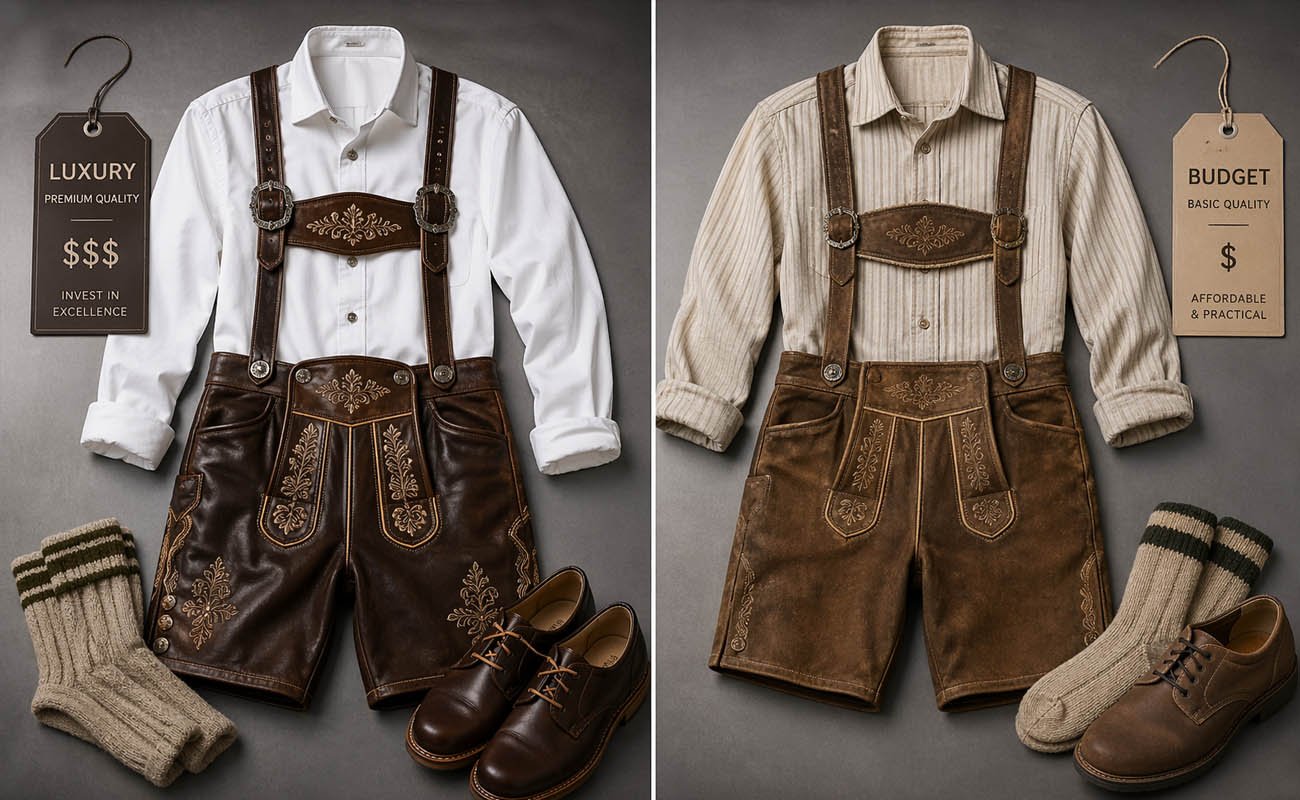
The price range is genuinely enormous. A basic factory-made pair using goat leather typically starts around $100–$150. Mid-range sets with better leather and hand embroidery run $250–$500. Authentic German-made deerskin lederhosen from a traditional craftsman can cost €800–€1,500 or more, and bespoke versions with family crest embroidery or regional motifs can go even higher. The key distinction is that a genuine deerskin pair, properly cared for, will last 30–50 years or longer — making it a long-term investment rather than a costume purchase.
Why Buy from The Bavarian Attire?
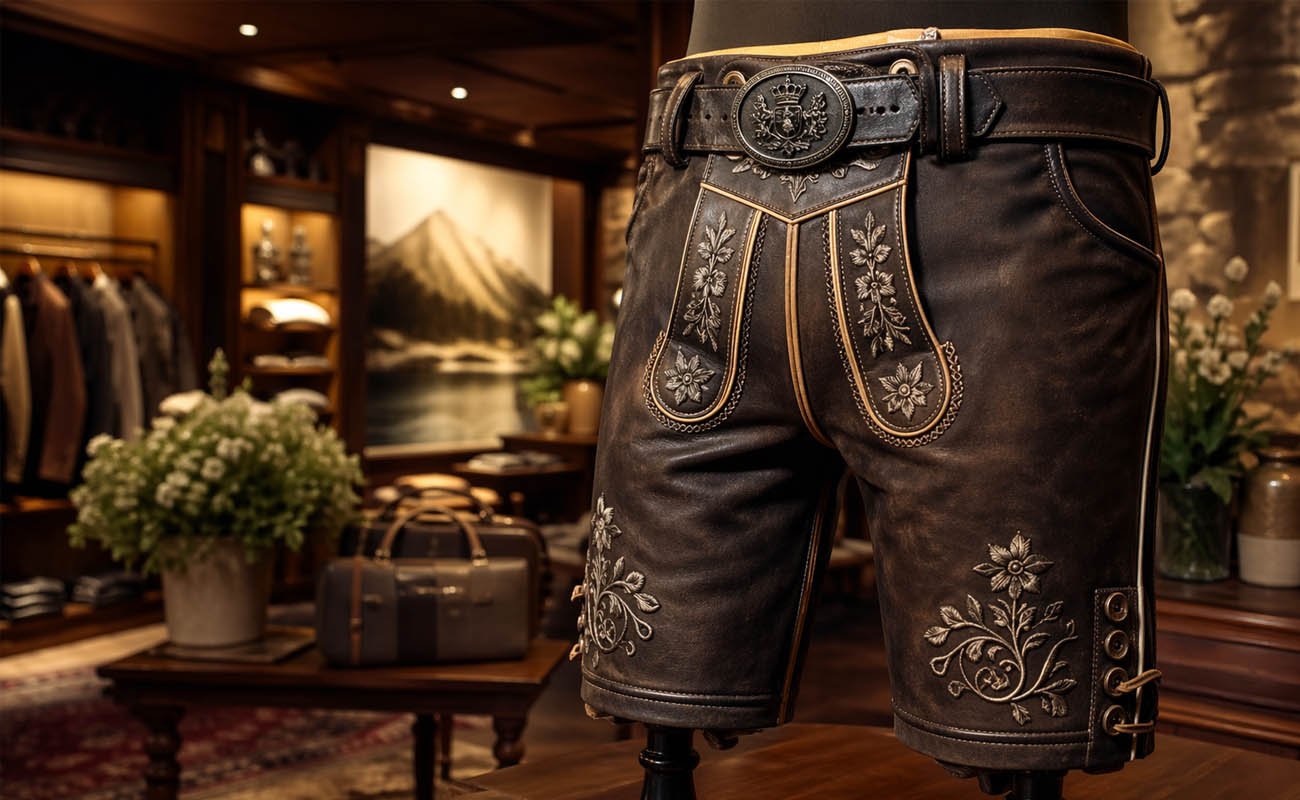
With so many online stores selling lederhosen today — many of them shipping low-quality costume-grade leather from factories with no connection to Bavarian tradition — choosing the right place to buy matters more than most people realize. The Bavarian Attire stands apart for several reasons that go beyond just having a wide selection.
The most important difference is the commitment to genuine craftsmanship. Every piece in The Bavarian Attire’s collection is designed with authentic Alpine traditions in mind, using high-grade deerskin and goatskin leather that ages beautifully rather than cracking or fading after a single season. The embroidery is hand-done with traditional motifs — oak leaves, edelweiss, stag patterns — that carry real cultural meaning, not mass-produced machine prints that look identical on every pair.
Fit is another area where The Bavarian Attire gets it right. Lederhosen are not like regular trousers — genuine leather stretches and molds to the wearer’s body over time, so the initial fit must be precise. The Bavarian Attire offers detailed size guidance and customization options so that your lederhosen fits the way traditional Bavarian tailors intended: snug at first, then perfectly shaped to you after a few wears.
The range on offer is also genuinely broad. Whether you’re looking for classic short Kurze Lederhosen for Oktoberfest, knee-length Kniebundhosen for a more formal event, or a complete Tracht outfit with matching shirt, Haferlschuhe, and hat, everything is available in one place — sourced with consistency in quality rather than mixed from different suppliers of varying standards.
Perhaps most importantly, The Bavarian Attire treats lederhosen as cultural heritage, not Halloween costumes. That distinction matters both to buyers who want authenticity and to the Bavarian communities whose traditions these garments represent. When you buy from a store that understands the difference between a genuine Hirschleder and a cheap synthetic imitation, you’re investing in something that will last — not just for this year’s festival, but for decades.
Why Lederhosen Still Matter
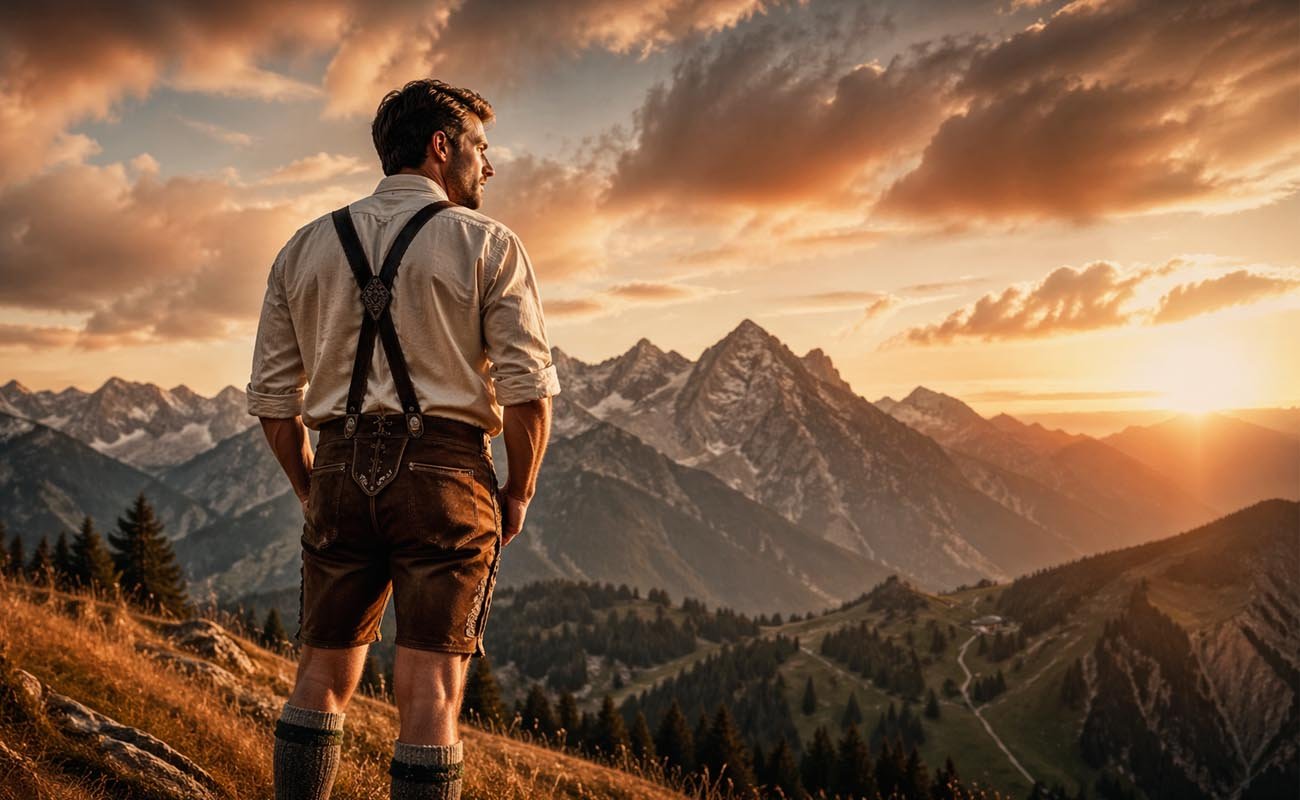
Lederhosen have survived working-class obscurity, aristocratic appropriation, religious condemnation, the invention of blue jeans, and two world wars. They’ve been declared immoral by church officials and beloved by kings. They’ve traveled from medieval Alpine farms to red carpets and international music festivals. What makes them remarkable is not just their durability as a physical garment, but their durability as a cultural symbol — one that has kept finding new relevance in every generation that has encountered them.
Whether you’re planning to attend Oktoberfest, exploring Bavarian heritage, or simply curious about what that iconic leather outfit actually represents, understanding lederhosen means understanding a small but genuinely fascinating thread of European history.
Frequently Asked Questions About Lederhosen
What are lederhosen made of?
Lederhosen are made from genuine animal leather — most traditionally deerskin (Hirschleder), goatskin, or cowhide. Deerskin is the highest quality, prized for its softness, natural water resistance, and ability to last for generations. Goatskin is lighter and ideal for detailed embroidery, while cowhide is more affordable and widely used in mass-produced festival pairs.
What does lederhosen mean in English?
The word “lederhosen” comes directly from German and translates literally to “leather breeches” or “leather pants.” In German, Leder means leather and Hosen means trousers. The singular form in German is Lederhose, but in English, “lederhosen” is used for both singular and plural.
Are lederhosen only worn at Oktoberfest?
No — while Oktoberfest is the most famous occasion for wearing lederhosen, they are also worn at German and Austrian cultural festivals, folk dances, weddings, Bavarian hunting events, beer garden outings, and increasingly as casual fashion by people who appreciate traditional Alpine clothing worldwide.
Can women wear lederhosen?
Yes. Women have worn lederhosen throughout their history, and authentic women’s versions exist in both short and knee-length styles. The Dirndl is more widely recognized as traditional women’s Bavarian clothing, but women’s lederhosen are equally authentic and have grown significantly in popularity at international festivals.
How long do lederhosen last?
A genuine pair of deerskin lederhosen, properly cared for, can last 30 to 50 years or longer. Unlike fabric clothing, high-quality leather actually improves with age — developing a natural patina that makes the surface richer and more attractive over time. Many Bavarian families pass lederhosen down as heirlooms from one generation to the next.
What is the difference between lederhosen and bundhosen?
The main difference is length. Lederhosen (Kurze Lederhosen) end above or just at the knee, making them the classic short style associated with Oktoberfest. Bundhosen (Kniebundhosen) extend below the knee and are fastened at the cuff with laces or buttons. Bundhosen are considered slightly more formal and are better suited to cooler weather. Both styles use the same leather, embroidery traditions, and suspenders.
How should lederhosen fit?
Lederhosen should feel snug — not tight — around the waist and thighs when first purchased. Because genuine leather stretches and molds to the wearer’s body over time, a slightly firm initial fit is correct and expected. As a general rule, size up by one compared to your regular jeans size. Suspenders should sit comfortably on the shoulders without digging in.
How do you clean lederhosen?
For minor marks and surface dirt, wipe lederhosen with a slightly damp cloth and allow them to air dry away from direct heat. Never machine wash or tumble dry leather. For deeper cleaning or staining, professional leather cleaning is strongly recommended to preserve the integrity and softness of the hide. Conditioning the leather once or twice a year with a suitable leather balm helps maintain flexibility and prevents cracking.
