

Blog
What Does German People Look Like? Physical Traits, Regional Features & Cultural Identity

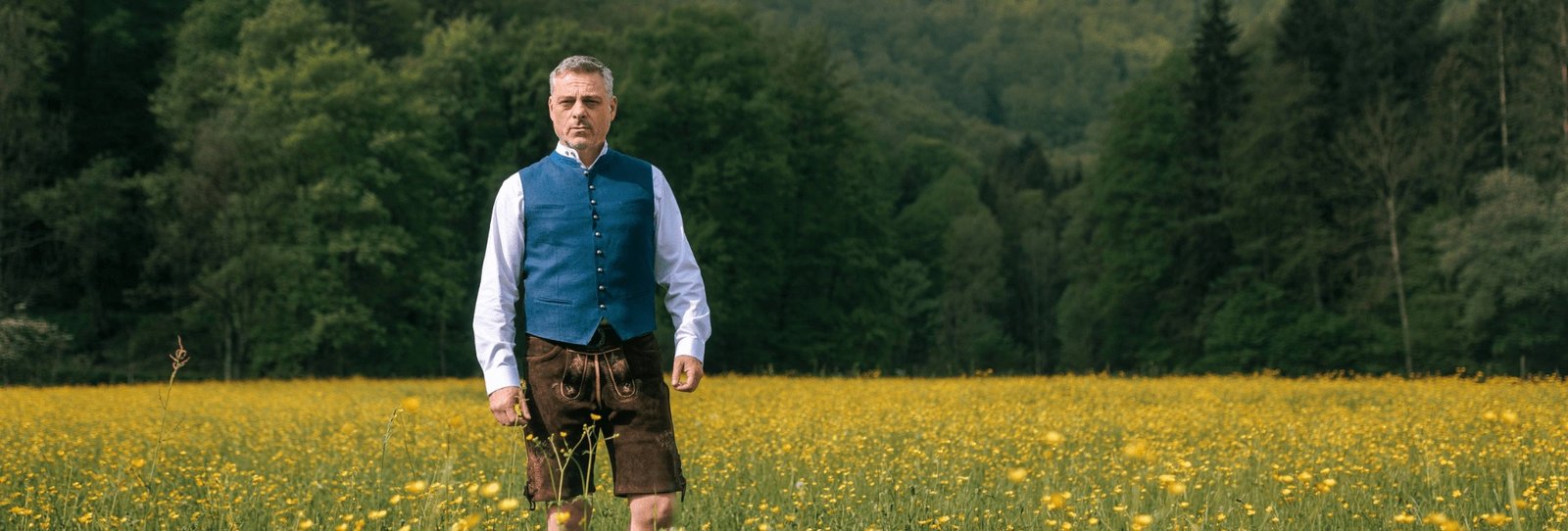
Quick Answer: People from Germany typically have light to fair skin, blue or green eyes, blonde to light brown hair, a square jawline, high cheekbones, and above-average height. However, appearance varies significantly by region — from the Nordic-influenced look of the north to the warmer Alpine traits of Bavaria in the south. No single face defines this nation.
If you have ever wondered what people from Germany look like, you are far from alone. It is one of the most searched questions about Central Europe, and the answer is far more layered than most expect. Sitting at the heart of the continent, this country has been a crossroads of migration, trade, and cultural exchange for thousands of years. The faces you see in Hamburg look different from those in Munich, and both look different from those in Dresden. That variety is not random — it is the result of history written into genetics.
This guide goes well beyond the usual stereotypes. It covers verified physical characteristics, science-backed regional differences, the connection between traditional dress and body identity, and the diverse reality of modern Germany — everything needed to truly understand what people from this country look like today.
Common Physical Traits Associated With People of German Descent

While no single appearance defines everyone in the country, certain traits appear often enough across the population to be considered characteristic. These features are especially visible in communities with deep ancestral roots in Central Europe, and they form the pattern most people picture when the topic comes up.
Skin tone is typically light to fair, ranging from pale to a neutral or pinkish complexion. This lighter pigmentation is shared across much of Northern and Central Europe and is linked to thousands of years of adaptation to lower UV levels in the region. Because of this, fair-skinned individuals can be more sensitive to sun exposure — though skin tone across the country today is far more varied than stereotypes suggest, owing to decades of multicultural migration and intermarriage.
The face tends to be angular and structured. A broad or square jawline is one of the most consistently noted features — a jaw that appears nearly as wide as the rest of the skull, giving the face a defined, geometric quality. High and prominent cheekbones add to this sharpness, creating a look that feels symmetrical and strong from both the front and the side. The nose is typically straight and medium to large in size, the forehead wide and relatively flat, and the chin well-defined or slightly pointed.
Most recognized physical traits at a glance:
- Light or fair skin, often with a pinkish or neutral undertone
- Blue eyes most common, followed by green, grey, hazel, and brown
- Blonde to light brown natural hair, with full variation across regions
- Square or broad jaw with high, defined cheekbones
- Straight nose, wide forehead, and well-defined chin
- Above-average height — men average around 5’11” (180 cm), women around 5’6″ (168 cm)
- Broad shoulders and a sturdy build more common than in many neighboring countries
Eye color is dominated by blue, accounting for roughly 40 to 50 percent of the population depending on the region. Green, grey, and hazel are also well represented. Brown eyes, though less common in the north, appear frequently in southern and eastern states. Hair spans a wide natural range — dark blonde and medium brown are actually more common across the country as a whole than pure blonde, even though the lighter end gets more attention in popular culture.
How Appearance Varies Across Germany’s Regions
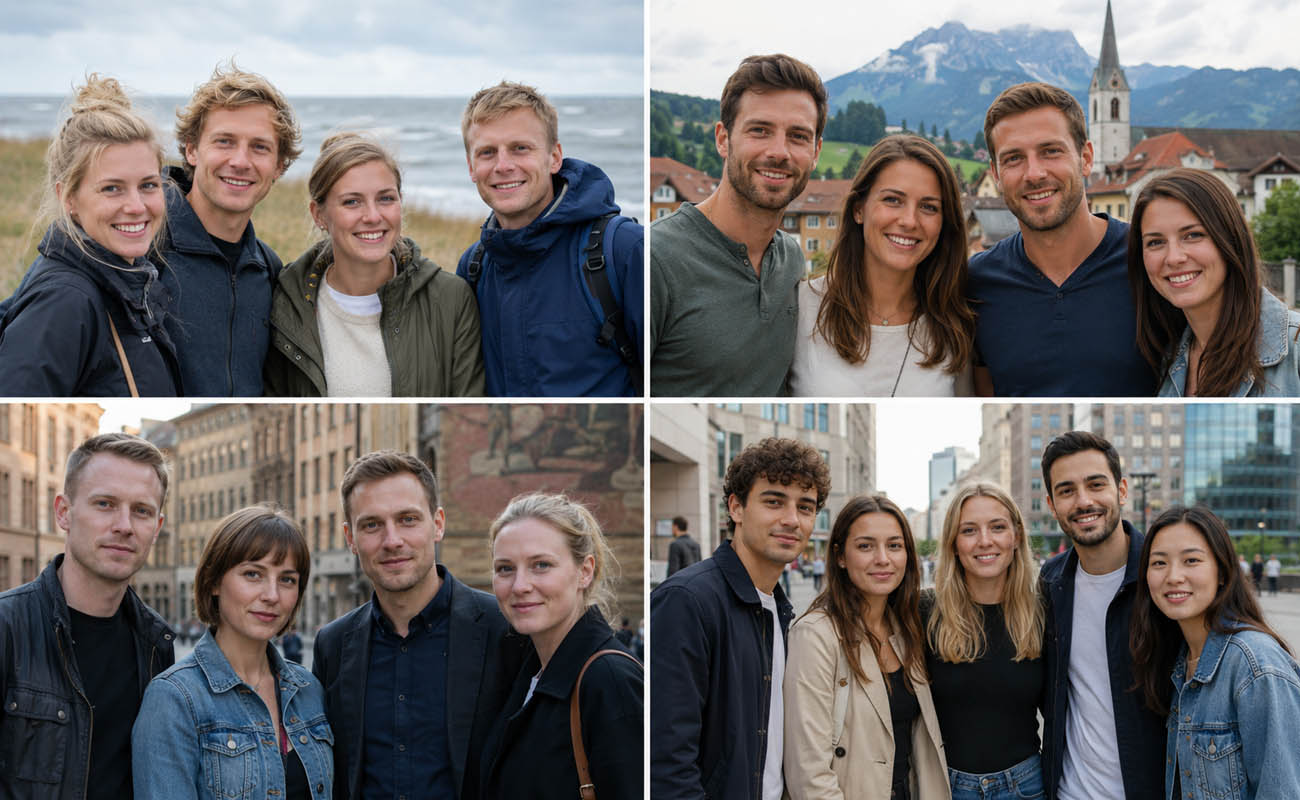
This is where most other articles fall completely short. The country is not one uniform population — it is made up of 16 federal states, each carrying its own ancestral history and genetic mix. A person from Hamburg and a person from Munich can look noticeably different, and both differences are rooted in real historical and genetic patterns.
Northern regions — Hamburg, Bremen, Schleswig-Holstein, and the Baltic coast — show the clearest Norse and Scandinavian influence. People here tend to have paler skin, lighter eyes, and higher rates of naturally blonde hair. Builds are often tall and lean. Historically, the proximity to Scandinavia, combined with Viking-age coastal settlements and trade networks, shaped this region’s gene pool over centuries. This is the look that most outsiders picture when imagining a stereotypical Central European.
Bavaria and the south tell a completely different story. People from this region frequently have darker blonde or medium brown hair, warmer skin tones, and a broader mix of eye colors including hazel and brown. Some Bavarians even carry a slightly olive complexion — a result of centuries of interaction with Alpine, northern Italian, and broader Mediterranean populations through the historic trade routes crossing the Alps. Southern appearance is noticeably warmer and more varied than the north, and anyone who has spent time in Munich versus Hamburg will feel that difference immediately.
Eastern states — Saxony, Thuringia, and Brandenburg — sit adjacent to the historic territories of Slavic peoples, and the physical characteristics here reflect that proximity. Slightly higher cheekbones, deeper-set eyes, and facial structures that overlap with what one might see in Poland or the Czech Republic appear more frequently. Borders in Central Europe shifted dramatically over the past thousand years, and the genetic record carries every one of those shifts.
Central and urban Germany acts as a blend of all these influences, amplified further by the cultural mixing that comes with large, modern cities. Frankfurt, Cologne, and Berlin in particular show the full range of what contemporary European appearance looks like when history and migration converge in one place.
The Science That Explains This Diversity
Population genetics gives crucial context here. Studies confirm that this region sits at the convergence of three major ancestral streams: Anatolian Farmer ancestry from early Neolithic agricultural migrations, Western European Hunter-Gatherer lineage, and Yamnaya Steppe ancestry from Bronze Age migrations out of Central Asia. The ratio of these three streams varies measurably by region — which is exactly why the north and south of the country produce such visually different populations.
This layered ancestry means that blonde hair and blue eyes, while genuinely more common here than in most of the world, were never universal and never will be. Hair and eye color are influenced by dozens of genetic variants, distributed unevenly across the country’s regions and shaped by whichever ancestral stream happened to dominate in each area. The science makes one thing unmistakably clear: diversity within this one country is comparable to the diversity between some of its neighboring nations.
Height is one of the more consistent patterns. The country ranks among the top ten tallest nations globally, with averages well above the world mean for both men and women. Researchers link this partly to genetics and partly to strong nutrition standards maintained over several post-war generations — a combination that few countries have matched.
Traditional Dress and What It Reveals About Physical Identity
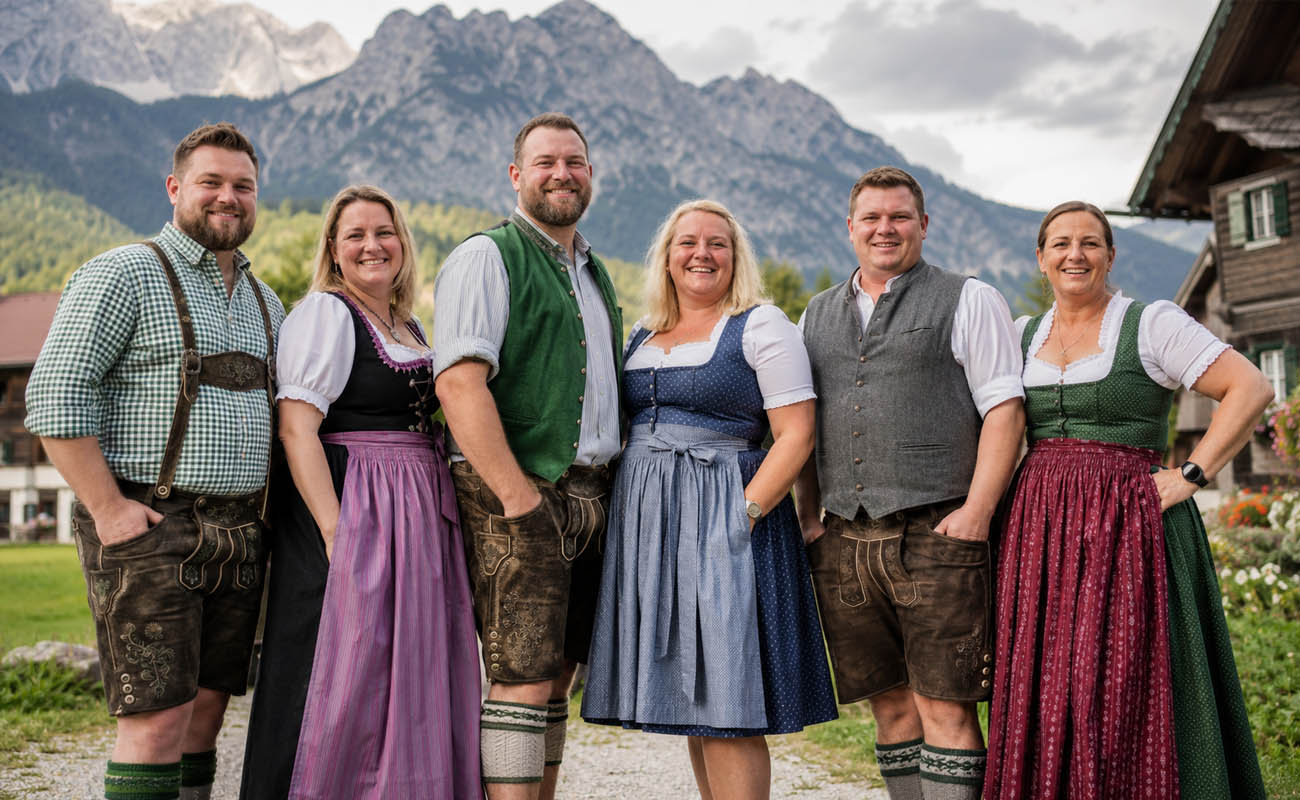
This is an angle almost no other source covers. The connection between how people look and how their traditional clothing was designed to suit those bodies is most visible in Bavaria, where the Tracht — the regional dress tradition — was built around the real physiques of Alpine communities.
Lederhosen for men were designed for broad shoulders, strong legs, and sturdy builds suited to farming, hunting, and navigating mountain terrain. The dirndl for women was constructed to flatter a wide range of natural body shapes — cinching at the waist while accommodating the fuller, broader figures common in the Alpine population. These garments were never made for an idealized silhouette. They were made for real people living real lives, and that philosophy produced one of the most genuinely body-inclusive clothing traditions in European history.
If you want to explore authentic Bavarian-style clothing that carries this tradition into modern wear, Bavarian Attire offers a carefully curated selection rooted in this heritage. The design sensibility there reflects the same principle — clothing that works with the human body rather than against it.
Modern Diversity: What the Country Actually Looks Like Today
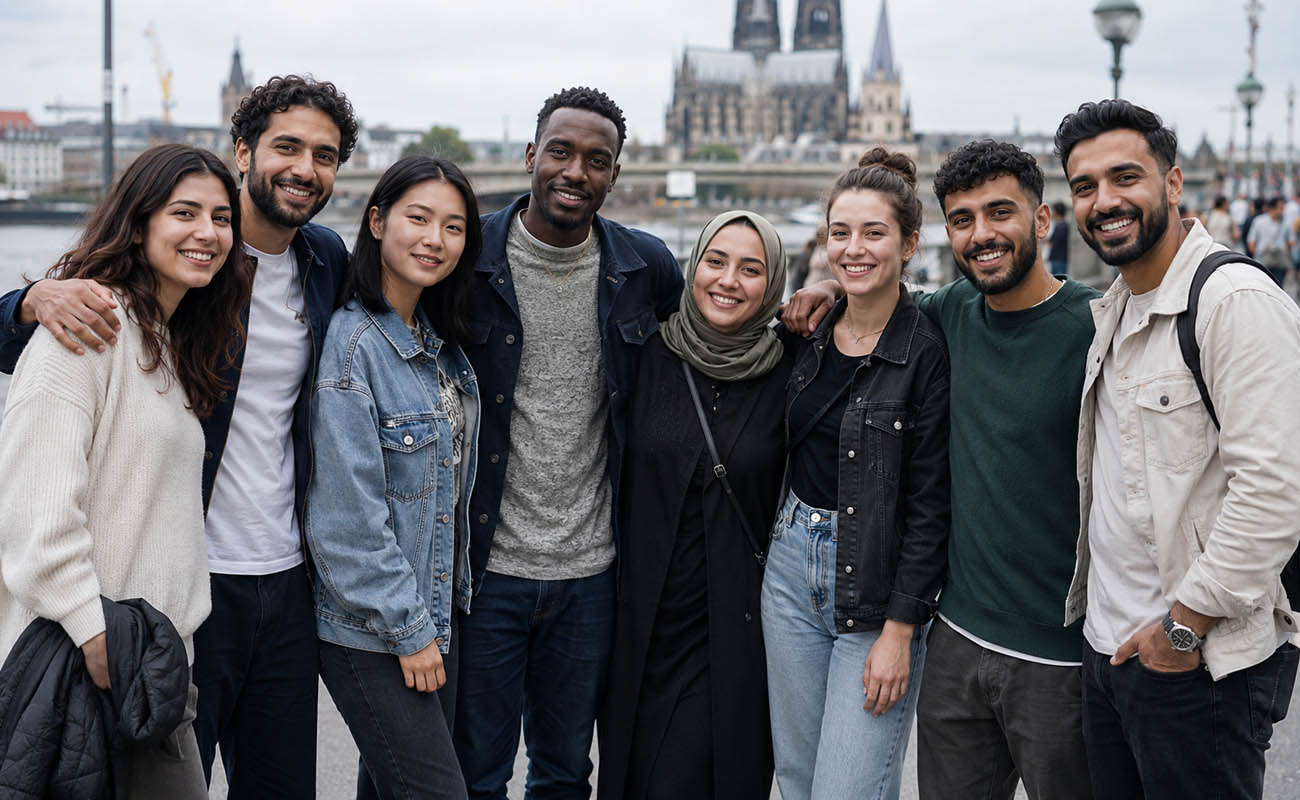
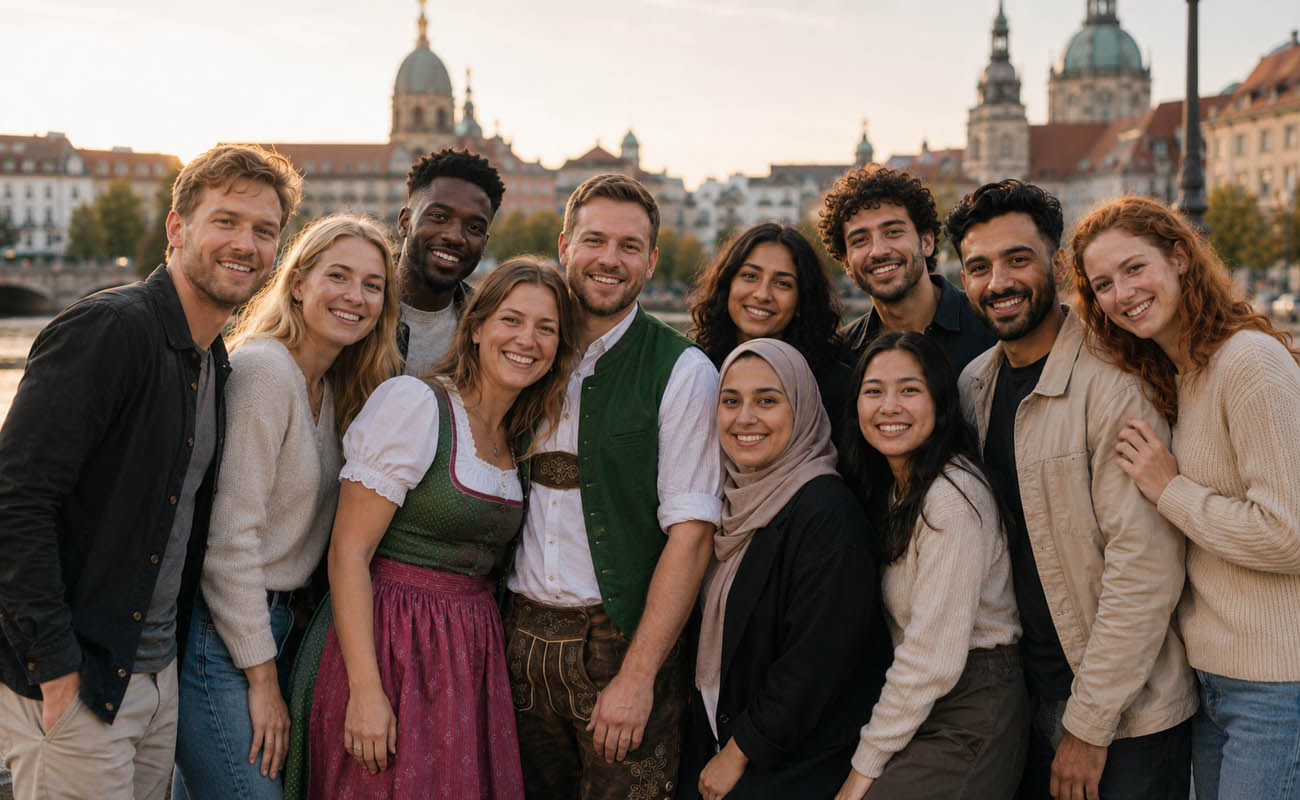
Any honest discussion of this topic must include the reality of contemporary society. Today, the country is home to over 84 million people, and roughly 26 percent of them have a migration background. Significant communities trace roots to Turkey, the Arab world, South Asia, Sub-Saharan Africa, and East Asia. Many are second or third-generation residents who have never lived anywhere else — they are fully part of this society, and they look nothing like the blonde-and-blue-eyed image from older textbooks.
What modern diversity looks like in practice:
- Approximately 7 million residents trace Turkish background — the largest non-EU origin group in the country
- Berlin, Frankfurt, and Cologne rank among Europe’s most ethnically diverse cities
- Among people under 30 in major urban centers, physical diversity is the norm, not the exception
- Intermarriage across ethnic backgrounds has risen steadily for more than three decades
Ignoring this reality creates a picture that is both outdated and inaccurate. The guest worker programs of the 1950s and 1960s began a demographic shift that reshaped the visual identity of the nation over generations. The face of the country today is not one face — it is many, and that breadth is part of what makes it one of the most culturally dynamic societies in Europe.
Frequently Asked Questions
Do all people from Germany have blonde hair and blue eyes?
No. While both traits are more common here than in most countries — especially in the north — a large portion of the population has brown hair, green or grey eyes, or other combinations. The stereotype exists but does not reflect the full picture.
How tall are people from Germany on average?
Men average around 180 cm (5’11”) and women around 168 cm (5’6″), placing the country consistently among the world’s tallest nations by population average.
Do Bavarians look different from people in northern Germany?
Yes, noticeably. Bavarians often have darker coloring, warmer skin tones, and a broader Alpine build compared to those from the north. Regional appearance differences are well-documented in both genetic research and everyday observation.
What is the most typical face shape associated with Central Europeans?
A square or broad jaw, high cheekbones, a straight nose, wide forehead, and a pointed chin — producing an angular, structured appearance overall.
Is modern Germany an ethnically diverse country?
Yes. Around 26 percent of the population has a migration background, and this is reflected visibly in the physical appearance of people across the country today, particularly in major cities.
Final Thoughts
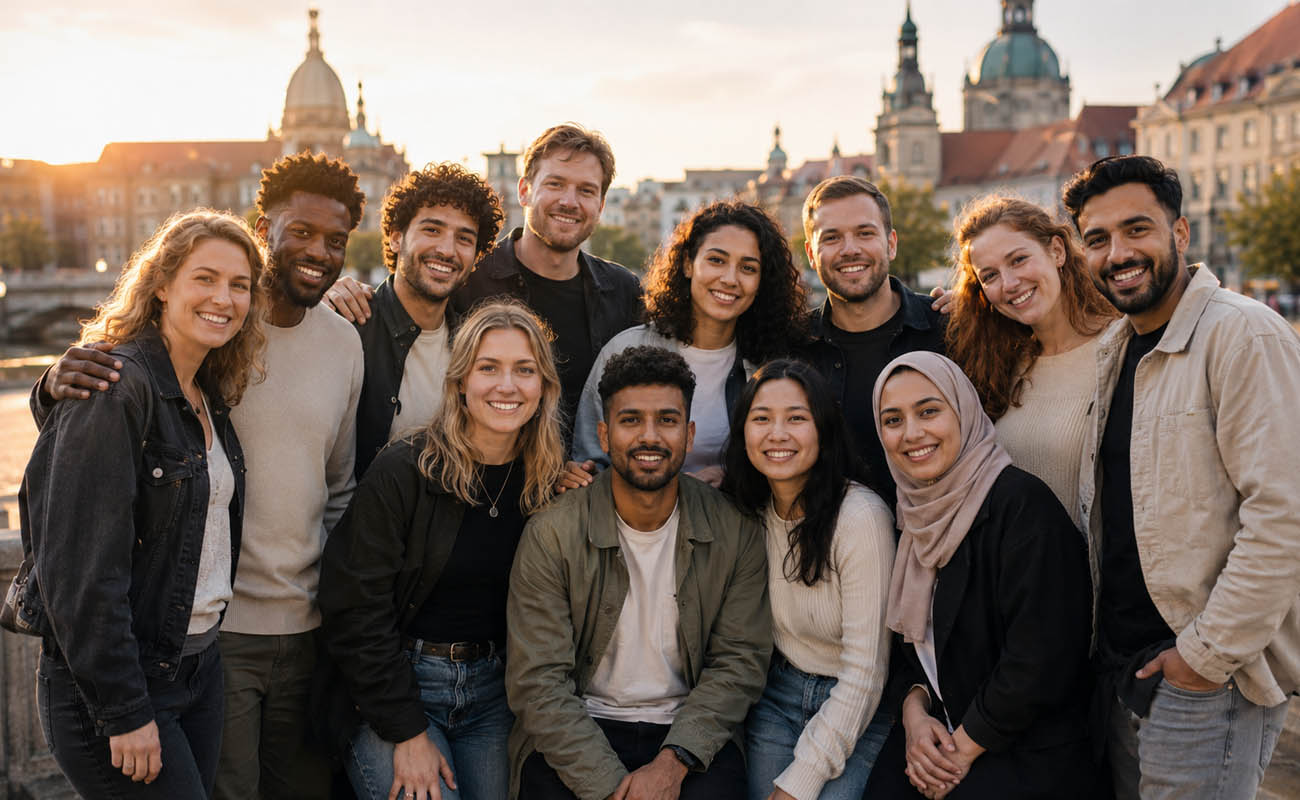
People from Germany reflect one of the most layered genetic histories in Europe. The north carries Norse ancestry in lighter coloring and tall builds. The south holds Alpine and Mediterranean warmth in darker tones and broader features. The east shows Slavic influence in its cheekbones and facial structure. And across modern cities, global migration has added every variation imaginable to this visual identity.
The square jaw, fair skin, and blue eyes of the popular image carry some truth — but only for a portion of the population, in a portion of the country. The full picture is wider, richer, and far more interesting. Exploring the traditional clothing of the Alps, where dress was designed around real bodies and real lives, is one of the most direct ways into that identity — and Bavarian Attire is a genuine entry point into that world.
Understanding how people from this country look is ultimately about understanding the country itself: defined not by one face, but by the convergence of many.
